Pantoja Quotes Rocky After UFC 331 Loss to Van
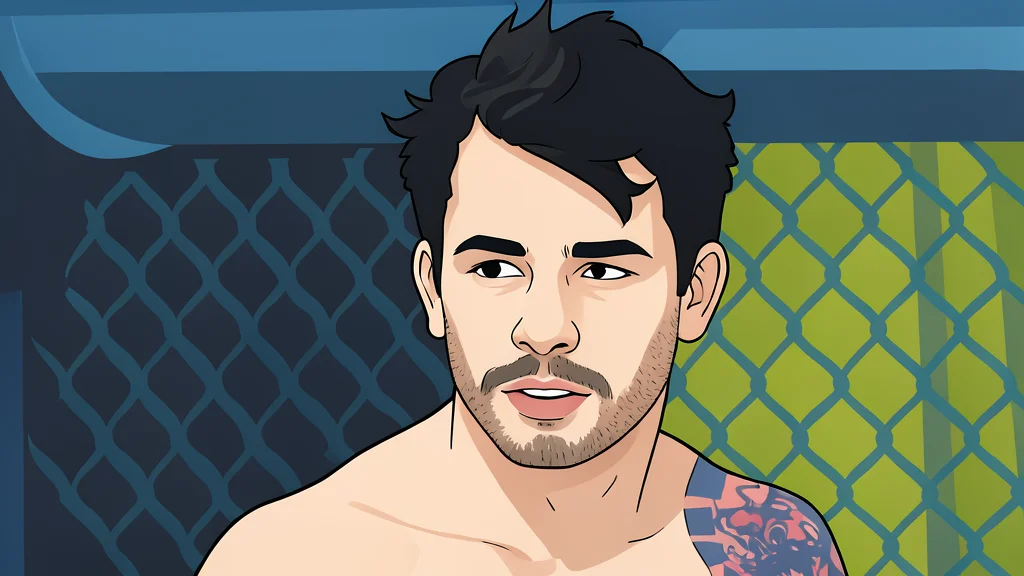
Alexandre Pantoja invoked Rocky Balboa's resilience after falling to Joshua Van in a war for the flyweight title at UFC 331.
Key points
- Alexandre Pantoja lost the UFC 331 flyweight title to Joshua Van after a five-round war.
- Pantoja cited a previous elbow injury that ended his previous title reign before returning to challenge Van.
- He invoked Rocky Balboa’s philosophy in his post-fight statement, emphasizing resilience over blame.
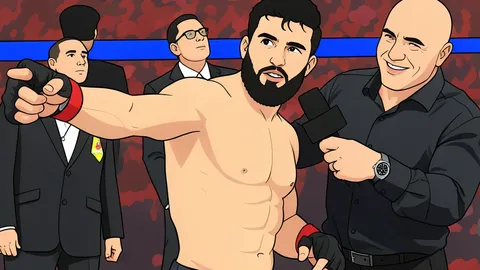
The air in Los Angeles still hangs heavy with the dust of a five-round war. Alexandre Pantoja stands in the aftermath, the loss etched into his skin more than the victory would have been. He did not fall quietly. He fought with the ferocity of a man who knows the weight of the title, even as it slips from his grasp. The crowd roared, a tidal wave of sound that crashed against the octagon walls, but the final bell brought only silence and the cold reality of defeat.
Joshua Van, the 24-year-old champion, moved with a slickness that cut through Pantoja’s aggression. It was a clash of styles, a back-and-forth exchange that will echo in the division’s history. Pantoja gave everything, digging deep into a reservoir of strength that defied the odds. Yet, the world is not kind to those who merely strive. It demands more. It demands survival.
Invoking the spirit of Rocky
In his post-fight statement, shared via Yahoo Sports, Pantoja reached for a familiar muse. He channeled the words of Rocky Balboa, the fictional boxer who became a symbol of relentless perseverance. "The world ain't all sunshine and rainbows," Pantoja wrote, echoing the iconic film's dialogue. "It's a nasty, cruel place. And it doesn't care how tough you are."
The message was clear and unapologetic. Life hits hard, often knocking you to your knees. But the true measure of a fighter is not the power of their strike, but the ability to absorb the blow and keep moving forward. Pantoja rejected the notion of blame, refusing to point fingers at anyone else for the outcome. He accepted the hit, standing firm in the face of a cruel reality.
A reign interrupted by injury
Pantoja’s path to this moment was paved with dominance. Before a freak accident, he held the flyweight title with an iron grip. Eight straight wins and four title defenses marked his tenure as the undisputed best at 125 pounds. Then, a wrong landing on the mat dislocated his left elbow, shattering his reign and forcing a nine-month hiatus.
The injury was more than a physical setback; it was a narrative rupture. Pantoja returned believing he was still the superior fighter, armed with a belief that his worth was undeniable. The fight against Van was not just a contest for the belt, but a validation of his identity. The bad blood between the two men added a layer of intensity that transformed the bout into an instant classic, a contender for fight of the year.
Resilience in the face of defeat
Van’s victory sent Pantoja back to the drawing board, but not to the shadows. The champion’s slickness proved decisive, yet Pantoja’s performance left an indelible mark. He did not crumble. He did not retreat. He stood in the octagon, battered but unbroken, delivering a message that resonated far beyond the sport.
His final words were a thank you to the fans, a recognition of the support that fueled his journey. The loss is a setback, a chapter to be rewritten. But the spirit remains. Pantoja has shown that even in defeat, there is a dignity that comes from refusing to let the world define your limits. The gloves are off, but the fight is far from over.