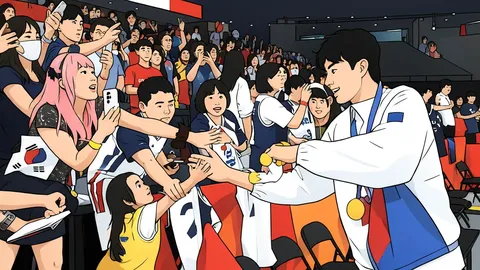
Korea Claims Asian Games Gold After Bus No-Show Fuels Victory
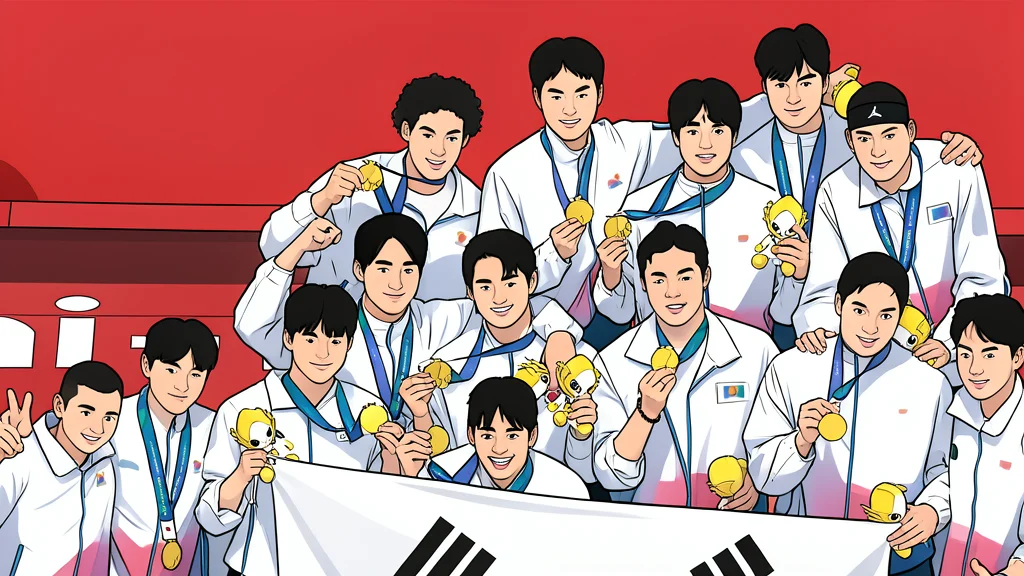
Korean basketball players transformed a missed shuttle bus into a bonding moment, securing a 67-57 victory over Japan for their first Asian Games gold in a decade.
Key points
- Korea won the men's basketball gold medal at the Asian Games, defeating Japan 67-57 for the first time in 12 years.
- A no-show shuttle bus canceled the team's morning shootaround, forcing them to walk and relax instead of warming up.
- Captain Lee Seoung-hyun and coach Nikolajs Mazurs stated the setback united the team and boosted their focus.
The morning light in Nagoya was bright, but the mood in the hotel lobby was tight. The scheduled shuttle bus never arrived, leaving the Korean basketball team stranded without their pregame warm-up. Hours of waiting stretched out, nerves fraying with every tick of the clock. Instead of shooting hoops, the players ended up walking the streets, coffee cups in hand, turning a logistical failure into an unexpected moment of connection.
By the time the arena lights hit the court, that tension had shifted into focus. Korea defeated host nation Japan 67-57 to claim the men’s basketball gold medal, a title the country had not touched in twelve years. The win was not just a victory on the scoreboard; it was a testament to how the team processed a morning gone wrong into a collective resolve.
Stranded by a Missing Bus
The disruption was more than an inconvenience; it was a shock to the routine. Captain Lee Seoung-hyun admitted the incident upset the players, noting it was unacceptable to face such operational hurdles ahead of a final watched by thousands. The absence of the bus followed a pattern of transportation issues affecting other Korean teams, adding to the underlying stress. Yet, in the silence of the walk, the team found a different rhythm.
Turning Chaos into Chemistry
Coach Nikolajs Mazurs reframed the delay as a chance to enjoy the weather and see the city, urging the players to stay positive. Lee Seoung-hyun recalled that forcing relaxation often backfires, but the leisurely walk allowed the group to bond. The nerves that had been on edge in the morning transformed into a 'win or die' determination on the court. The downtime did not break the team; it welded them together.
A Decisive Performance in Nagoya
On the floor, the calm translated into dominance. Star player Lee Hyun-jung controlled the game with 27 points and 18 rebounds, maintaining a cool exterior while driving the offense. He refused to let the bus no-show dictate his mindset, insisting that real players do not let variables beyond their control degrade their performance. The result was a confident, composed effort that silenced the home crowd and secured a historic medal.
As reported by Korea JoongAng Daily, the outcome highlights a resilient spirit that thrives under pressure. The team did not just survive the logistical error; they used it as fuel. In the end, the missing bus became the most significant factor in their strategy, proving that sometimes, the best preparation happens in the unexpected.
Missed bus fuels Korean victory
The Korean team missed its scheduled morning shuttle to the practice gym before the final, forcing the squad to cancel their pregame shootaround. Instead of warming up on the court, the players took a walk together and shared a coffee break to decompress.
This unexpected downtime allowed the team to build chemistry and relieve tension, turning a logistical frustration into a source of motivation. Captain Lee Seoung-hyun noted that the incident brought the group closer together, leading to a determined performance that resulted in a 67-57 win over host nation Japan.