Sean Sharaf’s $100K Rescue Amidst Half-Million Debt
A single left hook ended the fight, but the financial war is far from over. Inside the grueling reality of a UFC debut.
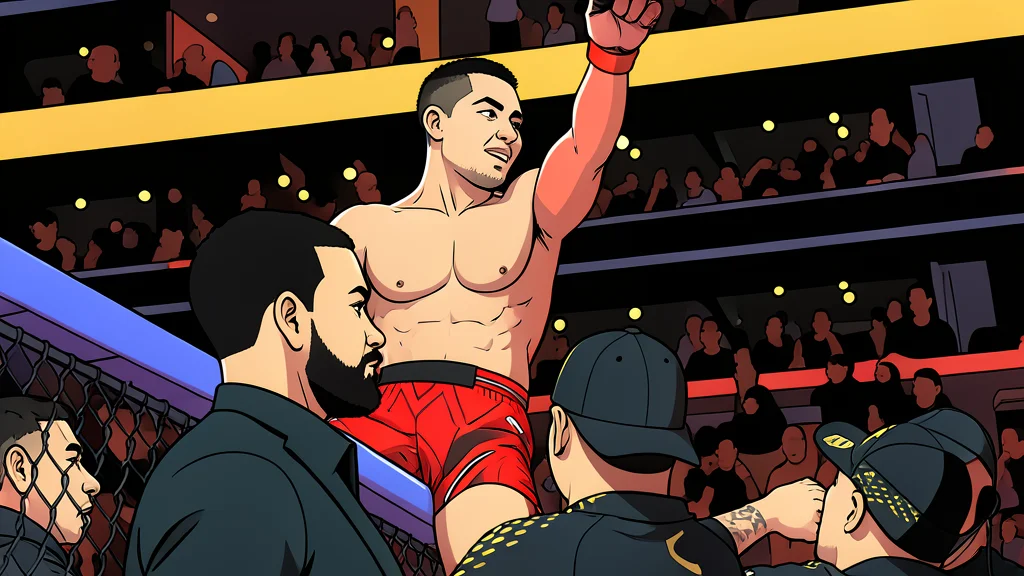
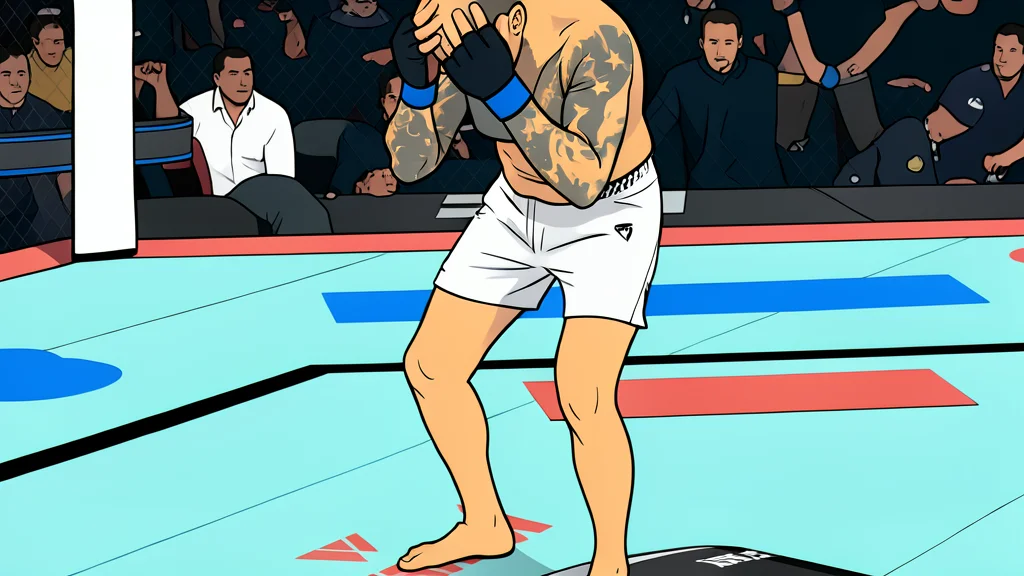
The canvas shudders under the weight of Gable Steveson’s body, the Olympic gold medalist unconscious after a twelve-second knockout. Sean Sharaf stands over him, breathing hard, the adrenaline of his first UFC victory still buzzing in his veins. It is a moment of triumph in the octagon, a clean left hook that silenced the arena. But behind the flash of the lights and the roar of the crowd, a different reality looms. Sharaf is not celebrating a payday; he is facing a debt that stretches into the hundreds of thousands of dollars.
The payout for this fight was $60,000, a standard sum for a main-card appearance. Against a reported debt load of over $688,000, that money is a drop in the ocean. Sharaf’s financial dashboard, shared on social media, reveals a landscape of financial distress that many fans never see. He is about to file for bankruptcy, a stark contrast to the glitz of the Ultimate Fighting Championship. The path to the top is paved with sacrifice, and for Sharaf, that sacrifice has taken a heavy toll on his personal finances.
A Thin Mat in an Empty Room
Sean Strickland posted a photo of Sharaf’s sleeping arrangement: a thin mat on a concrete floor in a sparse, empty room. The image is a visceral reminder of the grind. Strickland suggested a cheap mattress from Amazon, but Sharaf’s reply was pragmatic and immediate: an inflatable air mattress. The contrast between the high-stakes environment of the UFC and the bare-bones reality of Sharaf’s life is jarring. It is a life of constant motion, where rest is secondary to survival.
The debt accumulated during the lean years on the regional circuit, where fighters often work full-time jobs to make ends meet. Sharaf spoke about the grind, the beatings, and the lack of pay. Now in the UFC, the financial pressure remains intense. He is fighting not just for a title, but for stability. The debt is a physical weight, a constant presence that shapes his decisions and his outlook.
Dana White Knocks Out a Quarter
At the post-fight press conference, UFC CEO Dana White offered a lifeline. He announced a $50,000 MobLand bonus and pledged to match it with another $50,000 of his own money. “We are knocking out $100,000 off the $600,000,” White said. It is a significant sum, reducing the debt by about one-sixth. For Sharaf, it is a reprieve, a chance to catch his breath before the next fight. The gesture highlights the complex relationship between the promotion and its fighters, where corporate goodwill can sometimes alleviate personal financial crises.
Sharaf expressed gratitude but remained grounded in the reality of his situation. He wants to help his mother retire, a goal that seems distant given his current financial state. Yet, he persists. The drive to succeed in the UFC is fueled by a desire to change his circumstances. This victory is a step, but the road ahead is long and uncertain. The debt is a mountain he must climb, one fight at a time.
Perseverance on the Regional Scene
Sharaf’s story is not unique. Many fighters on the regional circuit struggle to make ends meet, working other jobs to support their dreams. The transition to the UFC is not a guaranteed financial salvation. It is a new level of competition with new financial pressures. Sharaf’s experience serves as a cautionary tale and an inspiration. It shows the raw, unfiltered reality of professional fighting, where the stakes are high and the rewards are rarely easy to come by.
As reported by GN sports/mma (en-US), Sharaf’s journey is a testament to his resilience. He is fighting for a future, for a chance to secure his family’s well-being. The debt is a shadow that follows him, but so does his determination. He is one of the few who has broken through, and now he is fighting to keep that momentum. The next fight will be a test of his ability to manage both the physical and financial demands of the sport.