Twelve Seconds that Shattered a Heavyweight Dream
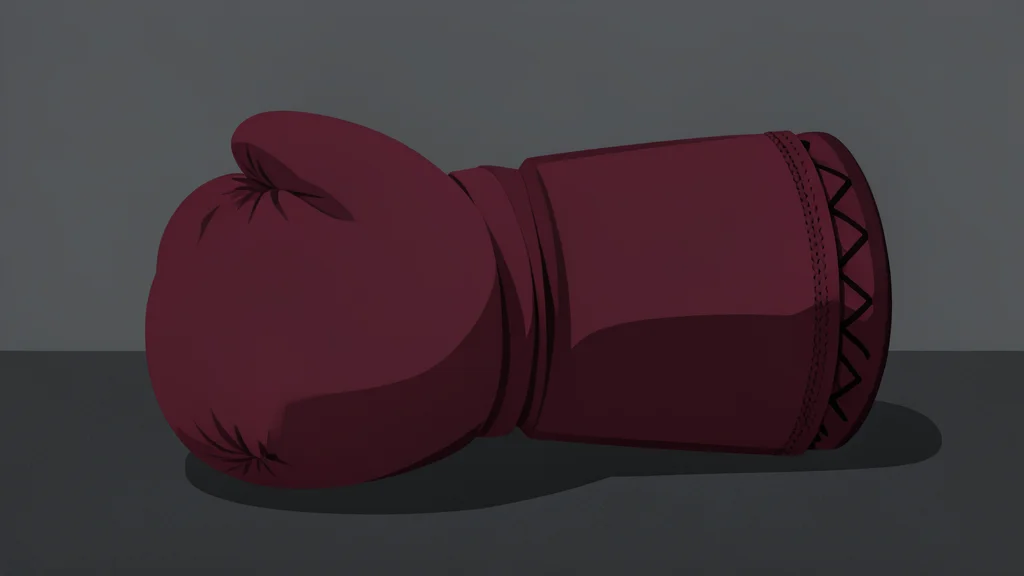
A single left hook silenced the Octagon, ending a promising career in the blink of an eye.
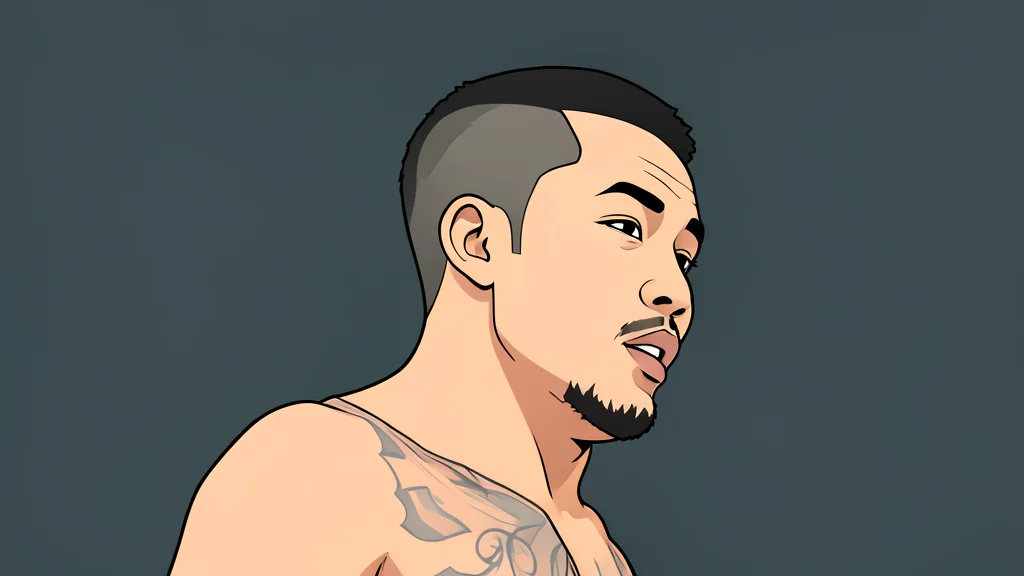
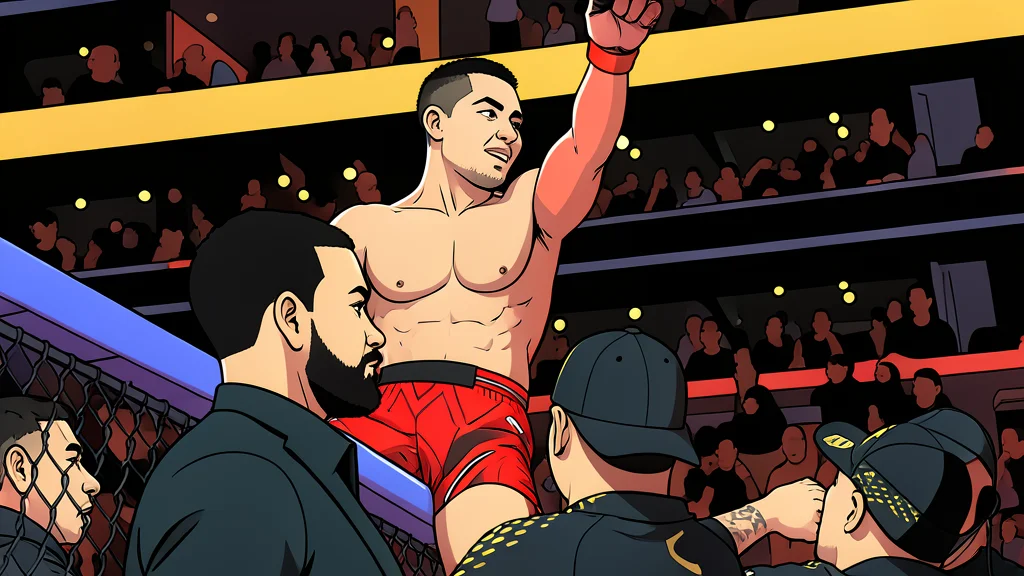
The air inside the cage snapped taut, thick with the humidity of a September night. Gable Steveson reached out, his jab extending like a rigid line of intent, before he pulled his body back from a right hand. It was a fraction of a second, a microscopic adjustment in space, but it was enough. Sean Sharaf was already there, feet planted, hips loaded, delivering a left hook that struck with the weight of a falling tree. Steveson folded. The referee waved it off at the twelve-second mark, the fight over before the crowd had fully processed the shock.
This was not a battle of attrition. It was a sudden, violent correction. Steveson, the Olympic gold medalist and undefeated prospect, fell to the canvas while Sharaf, a veteran of two recent losses, stood over him. The silence that followed was heavy, a physical weight pressing against the eardrums of the arena. The upset was total, a complete reversal of the expected narrative that had built over months of speculation.
Atlas Identifies The Fatal Flaw
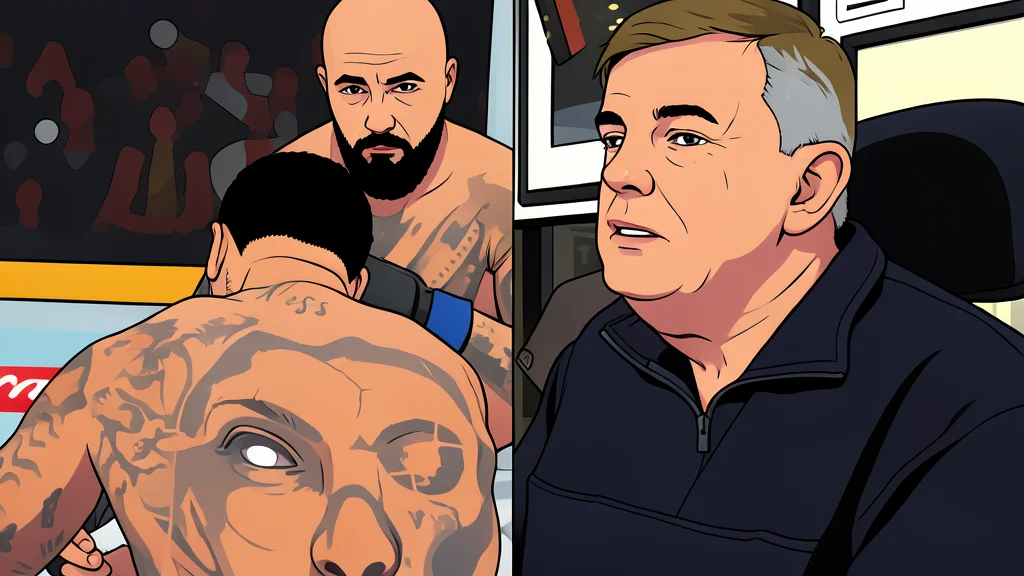
Teddy Atlas, the legendary boxing trainer, dissected the sequence on social media, pointing to the mechanics that allowed the power to land. He argued that the knockout was not merely Sharaf’s strength, but the result of Steveson’s defensive architecture crumbling under pressure. According to Atlas, the young fighter’s movement pulled him directly into the danger zone, creating a pocket where Sharaf could generate torque without resistance.
The veteran coach described the technique as flawed, noting that Steveson’s retreat from the right hand opened the door for the left. It was a classic error of timing and positioning, a gap in the shield that Sharaf exploited with surgical precision. The analysis stripped away the glamour of the moment, reducing it to a study in cause and effect. The power was real, but the opportunity was manufactured by the defender’s own hands.
A Career Built On Promise
Steveson entered the Octagon with a pristine record, a lineage that included wrestling gold and a stint in professional wrestling. At twenty-six, he was viewed as the future face of the heavyweight division, a pupil of Jon Jones with a trajectory that seemed unstoppable. His debut in July had ended in a knockout, a statement of intent that fans and analysts alike had amplified. The Sharaf fight was supposed to be a coronation, a step further up the ladder.
Instead, it became a cautionary tale. Sharaf, coming off back-to-back losses, had nothing to lose. He fought with the desperation of a man who had been written off, and that urgency fueled the explosive strike. The contrast between the two men was stark: the polished prospect versus the gritty survivor. The result left a void in the conversation about the next great heavyweight champion, a question that now hangs in the air without an easy answer.
Ripple Effects In The Division
The aftermath has sparked debate about whether Steveson was rushed into the top tier of mixed martial arts. Critics point to the speed of his decline, from undefeated darling to a fighter struggling to find his footing. Supporters, however, remind the world that he is still young, that his base skills are undeniable, and that this is a single data point in a long career. The psychological impact of such a sudden defeat is difficult to measure, a weight that sits on the shoulders of any athlete.
As reported by GN sports/mma (en-US), the incident has become a focal point for discussion on timing and readiness. The image of those heavy leather gloves resting on the wooden bag serves as a quiet reminder of the work that remains. The dream is not dead, but it is bruised. The path forward will require more than just power; it will need a rebuilt defense, a sharpened mind, and the resilience to turn a twelve-second nightmare into a long-term lesson.