Steveson’s 12-Second Loss Linked to Online Backlash
Valter Walker argues that viral harassment and lost followers mentally disrupted Gable Steveson before his swift defeat.
Key points
- Gable Steveson lost his UFC debut to Sean Sharaf via a left hook in just 12 seconds.
- Coach Valter Walker claims online harassment and lost followers mentally disrupted Steveson before the fight.
- Steveson faced intense booing at press events and reportedly lost half a million Instagram followers pre-fight.
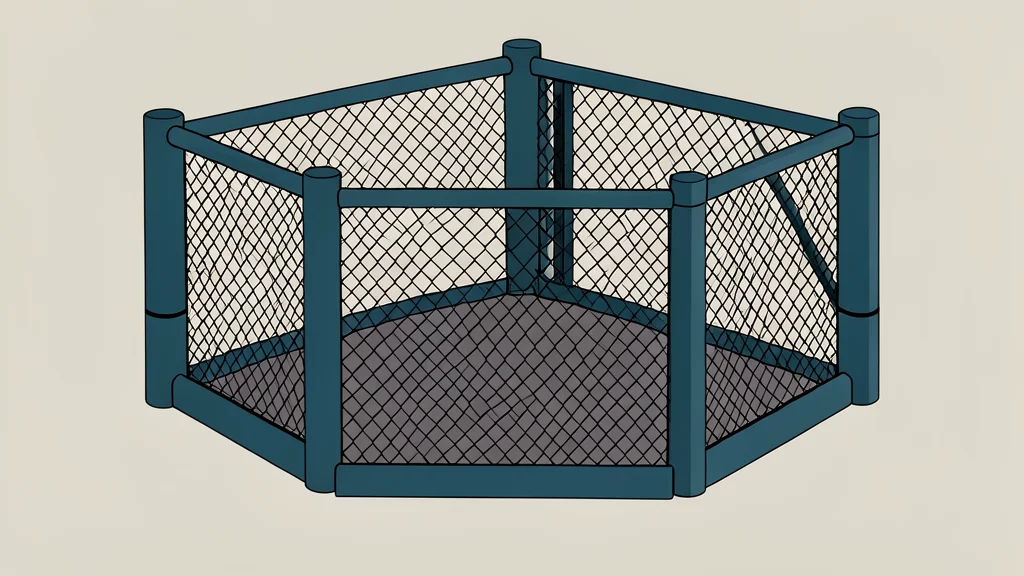
The air in the arena hangs heavy, thick with the scent of sweat and ozone. Twelve seconds. That is all it took for the momentum to shatter. Sean Sharaf does not wait. He steps in, the leather of his gloves creaking, and a left hook snaps out like a whip. It connects. Gable Steveson, the Olympic gold medalist, goes limp. The cage floor rushes up to meet him. The crowd roars, a wall of sound that drowns out the bell. It is not a close call. It is an erasure.
Steveson entered the octagon as the overwhelming favorite, a giant in the heavyweight division. Yet, the narrative had curdled long before the first round began. The weight of expectation had become a physical burden, a stone in his chest. His coach, Valter Walker, sees the disconnect not as a failure of skill, but of spirit. The body was in the cage, but the mind had already left. The digital storm outside the venue had seeped in, turning the spotlight into a searchlight that burned rather than illuminated.
The Weight of Digital Noise
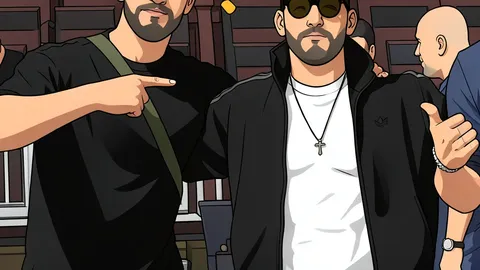
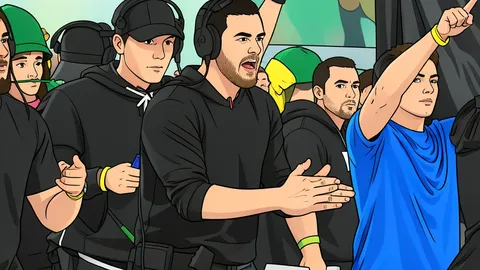
The pre-fight atmosphere was toxic. At the press conference, the booing was not a murmur but a sustained, rhythmic jeer. It echoed off the glass walls, a constant drone that refused to fade. The weigh-ins offered no relief. Sharaf, a fighter with a sparse record, used the microphone to drag up old controversies. The audience fed on it. The energy was hostile, a raw, unfiltered rejection of the champion. Steveson stood there, absorbing the hits before a single glove was raised. The psychological terrain was hostile ground.
The hostility migrated seamlessly from the physical arena to the digital void. Social media feeds, usually a stream of support, turned into a torrent of vitriol. The comments sections became a graveyard of old grievances, with users sharing mug shots and referencing allegations from 2019. The numbers tell a stark story. Steveson reportedly lost half a million Instagram followers in the days leading up to the event. The algorithm amplified the anger, creating an echo chamber of negativity that wrapped around the athlete. It was a siege, invisible but relentless.
A Mind Absent in the Cage
Walker’s assessment is blunt. He argues that the online backlash did more damage than any physical strike. The pressure of the UFC, already immense, was compounded by the public’s fury. The fighter went through the motions, but the spark was extinguished. It is a subtle failure, harder to diagnose than a broken bone. The body obeys, but the soul rebels. The disconnection is palpable in the footage. Steveson’s eyes seem distant, his reactions slow. The mental disconnect is the true cause of the collapse.
The implications extend beyond a single loss. It raises a question about the fragility of the human mind in the face of modern scrutiny. The cage is a closed system, but the mind is not. It leaks. It absorbs the world’s noise. When that noise turns poisonous, the fighter is left fighting two opponents: the man across from him and the ghost of the internet. Walker’s words paint a picture of a man broken by his own fame, a tragedy unfolding in real-time.
Echoes in the Octagon
The aftermath is quiet, but the reverberations are loud. The upset is historic, a blip on the radar of a long career. Yet, the cause remains debated. Was it a tactical error? A lapse in conditioning? Walker insists it was psychological. The evidence points to a mind that was not there. The body fought, but the spirit had already surrendered. The cage, once a place of pure athletic contest, had become a stage for a digital drama. The lesson is clear: the fight begins long before the bell.
As the lights dim on the arena, the images linger. The hook, the fall, the silence. It is a moment that will be dissected for years. But the truth, according to those closest to Steveson, is simpler and more devastating. The enemy was not Sharaf. It was the noise. The mental absence was the fatal flaw. In the end, the cage did not break him. The world outside did.