Antonelli Warns Madrid Grid Lock Is Near Impossible to Break
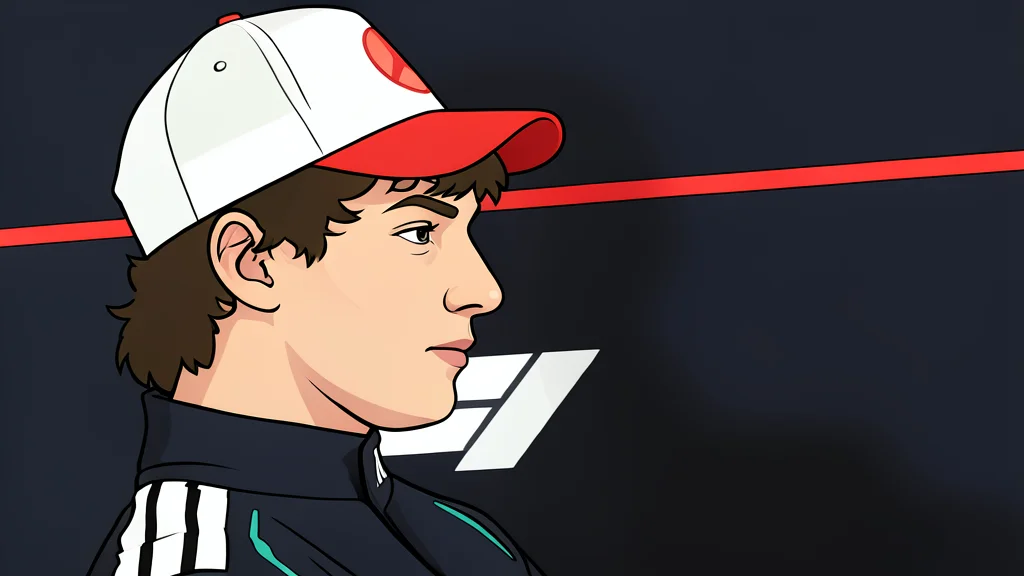
The asphalt at Madring holds its breath. In the shadows of the new Spanish circuit, Kimi Antonelli sees a track where wheelspin is the only option for progress.
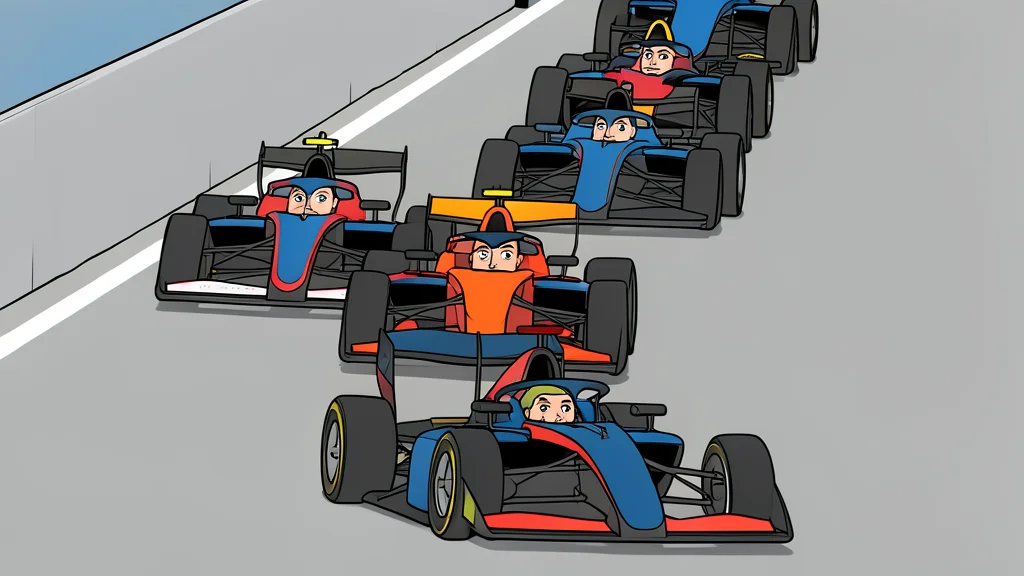
The air in Madrid hangs thick with the scent of hot rubber and anticipation. Kimi Antonelli stands near the top of the grid, the championship leader, yet his eyes are fixed not on the finish line but on the first few hundred meters of the new circuit. The track, a fresh ribbon of asphalt known as Madring, coils through the city with a tightness that chokes speed. For Antonelli, the reality is stark: the car ahead is a wall. The gap between rivals is so narrow that air turbulence becomes a physical barrier, sliding the rear tires and erasing any chance of a clean pass. It is a game of inches, where a millimeter of error means losing the battle before it begins.
Lando Norris has the pole, but the title fight remains tight. Antonelli sits in second, a position that feels less like a prize and more like a trap. He knows the physics of the track do not favor the chasing car. When he tested the limits behind a Williams during practice, the effort to overtake was described as painful. The deck, or the aerodynamic wake, is substantial. Pushing into it does not create a slipstream; it creates a slide. The car behind loses grip, the driver fights the wheel, and the opportunity vanishes. This is not a track where you wait for a mistake. It is a track where you must make the mistake happen, or else stay stuck.
Chaos is the only escape route
In the press conference, the question of overtaking drew a wry smile. Antonelli joked about hoping for chaos in the field, provided it did not involve Mercedes. The humor underscores the truth: the race will be decided by unpredictability. With similar pace between the top cars, strategy becomes the only lever left to pull. Pit stop timing, tire management, and the courage to dive into a tight corner where the car ahead has no room to defend. It is a delicate dance, requiring nerve and precision. The drivers know that if the field stays clean, the positions will likely remain static until the final lap. The margin for error is razor-thin, and the stakes are high for the title.
A circuit that demands total focus
Antonelli compares Madring to the great street circuits of Monaco and Jeddah. It sits in the middle of the spectrum, lacking the high-speed straights of Jeddah but sharing the intensity of Monaco. The effort required to put a lap together is significant. Every corner is a challenge, every transition a test of balance. The track does not forgive. It punishes hesitation and rewards aggression. For George Russell, starting in sixth, the situation is even more precarious. He must navigate the field, avoiding the traffic that will inevitably build up on the tight layout. The championship lead of sixty-six points for Antonelli adds weight to every decision. This is not just a race; it is a test of character under pressure.
As the lights prepare to go out, the tension is palpable. The drivers are locked in a mental duel, knowing that the physical battle will be limited. The key lies in the start, where positions can be gained or lost in a split second. After that, it is a war of attrition. Antonelli’s words carry the weight of experience. He has seen this scenario before, in other tight circuits, where the outcome is decided by small details. The Spanish Grand Prix is not just about speed; it is about survival. The track is a puzzle, and the drivers are the pieces. Only one will emerge with the crown, and the path to victory will be paved with calculated risks and unyielding focus.
Strategic battles define the outcome
The team strategists are watching closely, analyzing the data from the two days of running. There are no clear answers yet, as the track is new and the behavior of the cars is still being understood. This uncertainty is both a threat and an opportunity. Antonelli’s team will look for ways to exploit the weaknesses of the track, perhaps by adjusting the setup to reduce the deck effect or by timing a pit stop to catch the rivals off guard. The goal is to create a window of opportunity in a race that offers few. It is a complex equation, with variables that shift with every lap. The drivers must trust their instincts, knowing that the data can only guide them so far. In the end, it comes down to the human element, the ability to read the situation and act decisively.
The scene is set for a dramatic conclusion. The fans in Madrid expect a spectacle, but the drivers know the reality is more subtle. It is a battle of minds as much as a battle of machines. The track’s layout dictates a cautious approach, but the championship fight demands boldness. Antonelli stands at the center of this tension, leading the points but facing a track that resists overtaking. The result will be a testament to skill, strategy, and the sheer will to succeed. As the engines roar to life, the air vibrates with potential. The race is about to begin, and the outcome will be written in the tight, challenging corners of Madring. It is a moment of high drama, where every second counts and every decision matters. The world watches, holding its breath, waiting to see who will master the impossible.