F1 Confirms 3.0L V8 Turbo with 50kg Weight Reduction
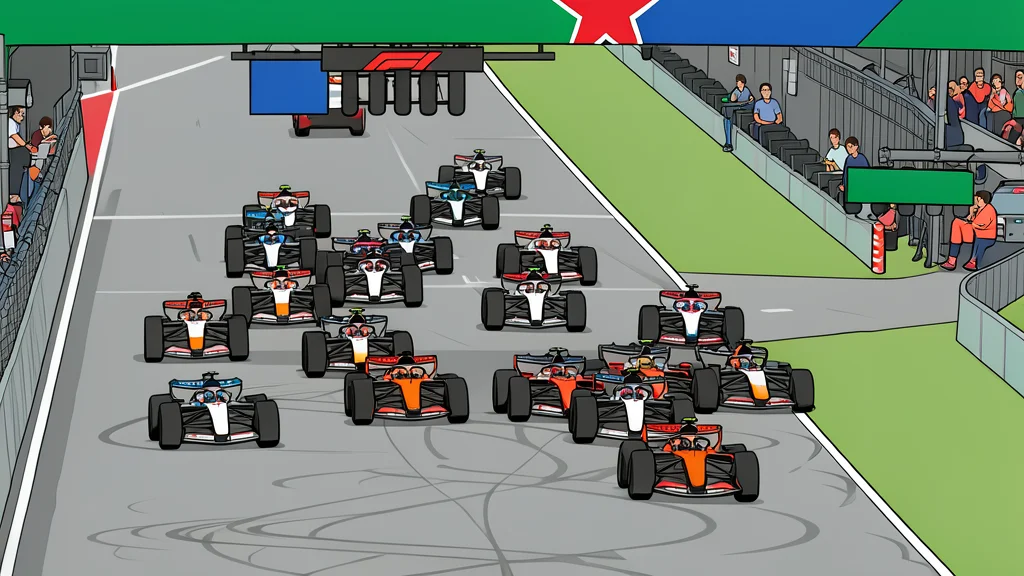
Formula 1 has locked in a 3.0-litre V8 turbo architecture for the next cycle, cutting 50kg from current units while retaining electric assistance.
Key points
- F1 has agreed on a 3.0-litre V8 turbo engine to balance power with street circuit noise restrictions.
- The new power unit will feature a 100kW electric motor and be at least 50kg lighter than current models.
- A push-to-pass overtake mode is under consideration as a replacement for the DRS system.
The metallic hum of the next Formula 1 era has found its shape. Stakeholders have converged on a 3.0-litre V8 turbo configuration, a decision that balances raw power with the rigid noise limits of street circuits. The agreement signals a pivot away from the complex, high-voltage hybrids of the current generation, favoring a mechanical simplicity that echoes the sport’s heritage while retaining a modern edge.
The debate over a naturally aspirated engine was fierce, driven by nostalgia for the roaring sounds of the early 2000s. However, the physics of sound waves in concrete canyons proved decisive. Cities like Singapore and Las Vegas enforce strict emission caps that a pure V8 would breach, potentially threatening the survival of those races. The turbocharger remains, not for maximum efficiency, but as a noise damper that allows the engine to scream louder than today’s units while staying within legal boundaries.
Electrification takes a step back
The electrical component is shrinking dramatically. The proposed 100kW motor is a fraction of the 350kW output in current power units. This reduction aims to strip away the electronic complexity that has plagued recent seasons, creating a system that is easier to understand and maintain. The goal is to keep the technological link to the automotive industry without letting the software dominate the driver’s inputs. It is a return to a more tactile driving experience, where the car’s behavior is predictable and direct.
Weight is the other major target. The new power unit must shed at least 50 kilograms compared to the current specification. This reduction is not just a number on a balance sheet; it changes how the car handles in the corners. A lighter engine shifts the center of gravity, potentially improving agility and reducing the wear on tires. It is a fundamental shift in the car’s dynamics, making the machine feel more like a traditional racing car and less like a rolling computer.
Overtaking mechanics under review
The method for assisting overtaking remains unsettled. The Drag Reduction System, used until the end of the 2025 season, is likely to be retired. In its place, a push-to-pass mode is being considered, similar to the system used in IndyCar. This would allow drivers to deploy a temporary power boost under specific conditions, adding a layer of strategy to the race. The FIA and manufacturers are still negotiating the exact parameters of this feature, ensuring it provides a fair advantage without compromising the integrity of the competition.
The timeline for this new era is also in flux. While a 2030 debut is being discussed, the exact date has not been finalized. Meetings continue to refine these details, but the core architecture is now agreed upon. As reported by Motorsport.com, the path forward is clear: a louder, lighter, and simpler engine that respects the constraints of urban racing while delivering the performance fans expect. The next chapter of Formula 1 is being written in combustion and controlled electricity.