Alonso Urges F1 to Fix 2026 Rules that Killed Top Circuits
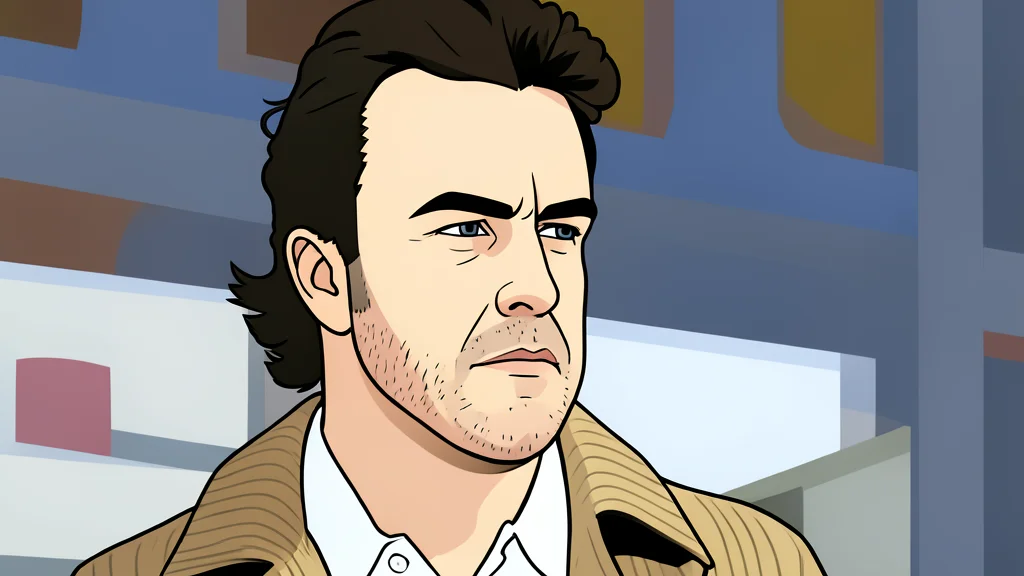
Fernando Alonso argues that battery management regulations have neutered iconic tracks like Spa and Suzuka, demanding further changes beyond the 2027 updates.
Key points
- Fernando Alonso argues that 2026 regulations have neutered iconic high-speed circuits like Silverstone and Spa.
- Alonso states that driving slowly to manage battery energy conflicts with the instinct to race fast developed over a career.
- He is in ongoing talks with FIA and F1 chiefs to push for further improvements beyond the planned 60-40 power split.
The air in Baku hangs heavy with the scent of ozone and hot asphalt as Fernando Alonso steps out of the Aston Martin. He does not look like a man celebrating a safe continuation of his contract; he looks like a surgeon dissecting a failed operation. His eyes are fixed on the horizon, where the high-speed corners of the track should be a blur of red and white, but instead, they are a memory of what racing used to feel like. The silence of the electric unit is not peace; it is a void where the roar of combustion should be.
Alonso is expected to stay with Aston Martin for another season, yet he plants his feet firmly in the mud of dissent. His frustration is not merely about his own car’s lack of pace, but about the very soul of the sport being drained by counter-intuitive battery management. He has been sowing seeds of doubt in public, not to leave, but to force the series to change its mind before the drivers do.
Rewinding twenty years of instinct
To drive fast in modern Formula 1, one must first learn to drive slow. Alonso describes the cognitive dissonance of spending two decades honing the instinct to attack corners, only to find that the winning lap requires coasting. It is a method that feels alien, even wrong, to a driver who came up through karting and junior formulas. The natural urge to push harder is now a liability, a mistake that costs precious energy for the next sector.
This is not a problem unique to one team or one driver; it is a systemic shift that has no parallel in other motorsport series. The driver must rewind the lessons of their entire career, suppressing the aggression that made them great. It is a mental gymnastics act performed at 300 kilometers per hour, where the brain fights the hands, and the battery dictates the rhythm of the race.
Iconic corners stripped of life
Silverstone, once a cathedral of speed, has been reduced to a track that no longer offers joy. Spa-Francorchamps, with its legendary Eau Rouge, feels semi-embarrassing to navigate under the current constraints. Suzuka’s 130R, a place where legends are made, is now a zone of hesitation. These are not just circuits; they are the heartbeat of the sport, and Alonso argues they have been killed by the need to harvest energy rather than spend it.
The pain is acute because these are the places where the gap between good and great is usually invisible, hidden by the sheer velocity of flat-out racing. Now, the gap is visible, measured in the tenths of a second lost to energy management. The drivers are not just competing against each other; they are competing against the mathematics of the power unit, a fight that leaves no room for the raw, unfiltered excitement that fans crave.
Pushing for a 60-40 split
Alonso’s conversations with FIA president Mohammed Ben Sulayem and F1 CEO Stefano Domenicali are not about saving his own seat. They are about saving the sport. While plans for 2027 already include a shift to a 60-40 split between combustion and electric power, Alonso insists that is not enough. He urges the governing bodies to keep exploring, to look beyond the immediate fixes and understand that the current formula is eroding the fundamental appeal of driving fast.
As reported by Motorsport.com, Alonso clarifies that his primary concern is the racing product itself, not the competitive balance for Honda or Aston Martin. He sees the 2026 regulations as a step in the right direction, but he believes the lessons from this year’s struggles must be learned. The goal is not just to be competitive, but to be enjoyable, to restore the instinct to attack that has been smothered by the need to manage a battery.