F1 Cuts Race Distance to 290km for 2027 Due to Engine Issues
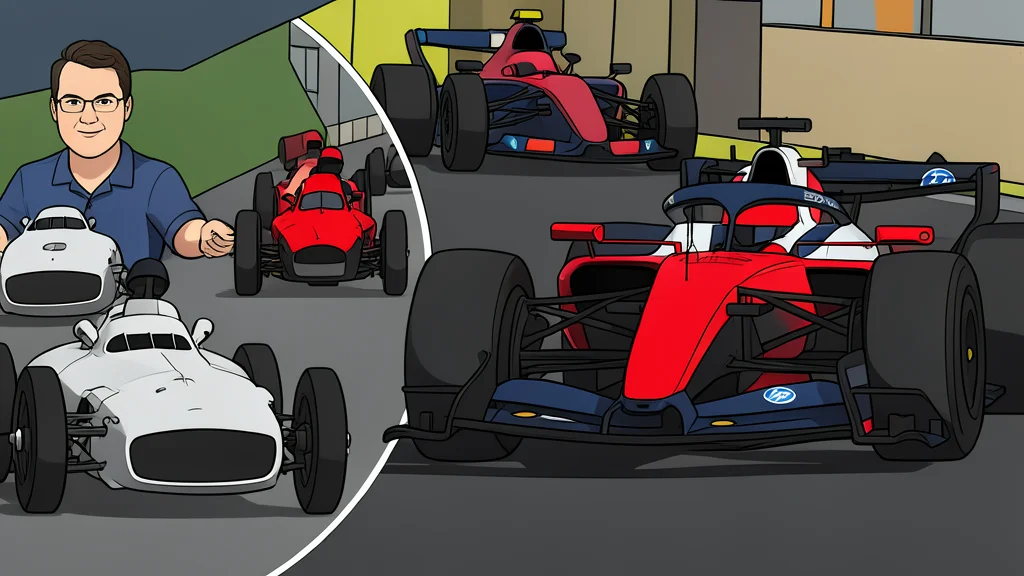
Formula 1 shortens its minimum Grand Prix distance to 290km for 2027, ending a 70-year tradition to manage fuel limits.
Key points
- Formula 1 reduces the minimum Grand Prix distance from 305km to 290km for the 2027 season.
- The change addresses engine fuel consumption issues caused by increased power output in the new regulations.
- Teams avoided costly chassis redesigns for larger tanks, choosing instead to shorten the race distance.
The asphalt stretches out, a ribbon of grey against the green. For seven decades, a single rule held the line: every Grand Prix must cover at least 300 kilometers. That line is broken. The Formula 1 Commission has voted to cut the minimum distance to 290 kilometers for the 2027 season, a change that shatters a tradition set in stone since 1958. It is not a stylistic tweak. It is a survival mechanism, born from the sputtering, power-hungry engines that have plagued the current regulation era.
The decision, reported by nau.ch, lands with the weight of history. Teams will lose three laps on most circuits. The air, once filled with the high-pitched scream of sustained velocity, will now hold a shorter, sharper burst. The change is a direct response to the 2026 engine crisis, where batteries drained prematurely and top speeds collapsed. The sport is trading distance for reliability, a bitter pill for a series built on endurance.
Engine Crisis Forces Strategic Retreat
The 2026 engine regulations were a misfire. Teams reported empty batteries mid-race and severe power clipping, where the car’s electronics strangled the output to preserve energy. To fix this, the F1 Commission allows the 1.6-liter V6 turbos to produce roughly 30 horsepower more in 2027. This boost is achieved by increasing the fuel flow rate. The engines burn faster, harder, and hotter. But the tanks remain the same size. The fuel runs out sooner, forcing the distance to shrink to match the consumption.
The alternative was rejected. Increasing the tank capacity to 110 kilograms would have required teams to redesign their chassis, a costly and time-consuming engineering overhaul. Instead, the sport chose the cheaper path: keep the tanks, burn the fuel faster, and drive fewer kilometers. It is a pragmatic solution to a technical failure, but it erodes the fundamental nature of a Grand Prix. The car is no longer just a machine of speed; it is a machine of constraint.
Temporary Fix With Permanent Risk
On paper, this is a one-year experiment. The 290-kilometer minimum applies to 2027. But the outlook for 2028 is grim. The next phase of engine development promises another power boost, roughly 40 horsepower more than the 2027 spec. If teams cite cost again, the distance will likely drop further. Another 25 kilometers might be lopped off. The tradition of the long race is not being paused; it is being dismantled piece by piece.
The future may hold a different shape entirely. If the engines continue to demand high fuel consumption, the sport may pivot to shorter, sprint-style formats. The Grand Prix, once the pinnacle of endurance, could become a series of brief, intense bursts. The engine crisis has not just changed the rules; it has threatened the very definition of the race.