F1 Races Shrink to 290km from 2027
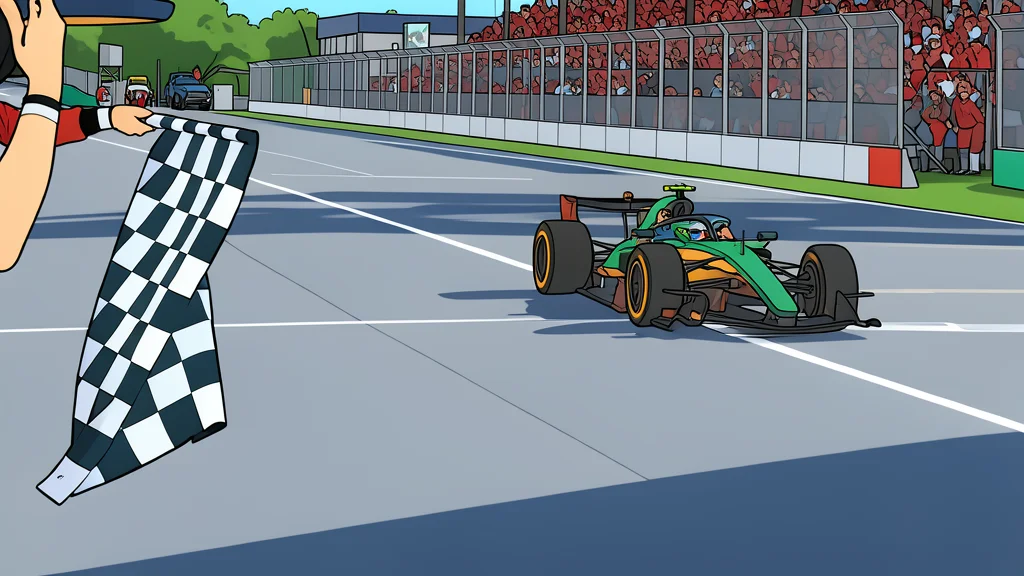
The FIA has mandated a distance cut to 290km for 2027, driven by higher fuel flow limits and rejected gearbox standardization.
Key points
- F1 races will shrink from 305km to 290km starting in the 2027 season.
- The distance cut is a result of increased engine fuel flow and reduced electric power share.
- Gearbox standardization plans were dropped to allow suppliers more development freedom.
The asphalt stretches into the horizon, a grey ribbon cutting through the green. In London, the FIA Formula 1 Commission has just redrawn the map of the 2027 season. The decision is stark: races will no longer cover the traditional 305 kilometers. Instead, the distance drops to approximately 290. It is a subtle shift, yet it ripples through the entire sport. Two to three fewer laps will define the rhythm of every Grand Prix.
This is not a random trim. It is the direct consequence of a prior engineering mandate. The governing body decided to increase the fuel flow in the engines while reducing the share of power generated by the electric components. The math is unforgiving. To maintain the energy balance, the distance must shrink. The car will drink more, so it will travel less. The result is a tighter, more fuel-scarce spectacle.
Gearbox standardization officially rejected
Plans to unify gearbox components across all teams have been scrapped. The Commission chose to preserve the freedom of suppliers to innovate. They want to keep the development space open for manufacturers. This move protects the technological arms race. Teams will continue to build distinct gearboxes, tailored to their specific power units. The diversity of engineering remains intact, a deliberate choice to avoid stifling mechanical creativity in the paddock.
Rain stoppages get new time rules
The rules for weather interruptions have also shifted. The old three-hour window for rain delays is gone. In its place, a specific end time will be set for each Grand Prix. This change aims to protect the viewer experience. The goal is simple: ensure that audiences have the best possible chance to see a full race. The two-hour limit for pure racing time, excluding interruptions, remains unchanged. The clock will be more precise, the pressure more immediate.
Financial and sporting tweaks added
The Commission also adjusted the sporting and financial regulations for the current season. No details were provided in the announcement. These changes sit quietly in the background, reshaping the commercial and competitive landscape. The decision was made in London, final and binding. The 2027 season will be shorter, faster, and more fuel-critical. The FIA has set the stage for a new era of efficiency.