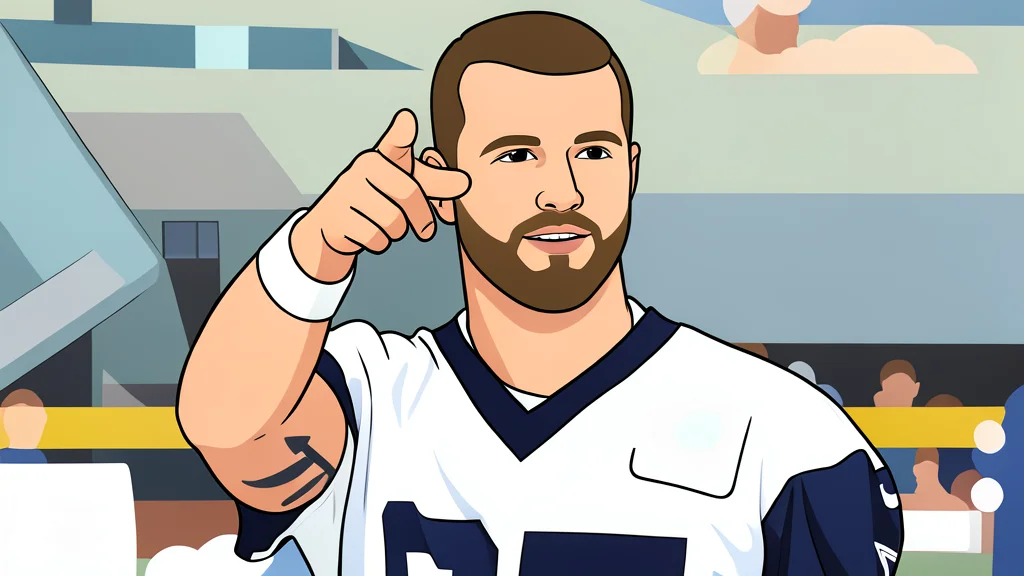
Hocevar Defends Fan Connection at Gateway
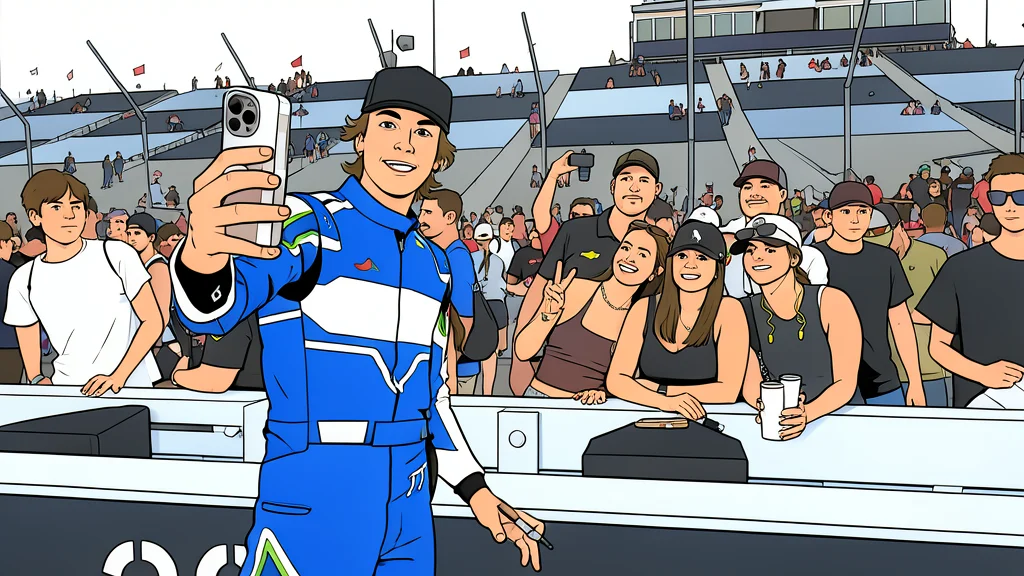
Carson Hocevar spent twenty minutes with fans after Gateway, defying negative media narratives with a gesture of genuine connection.
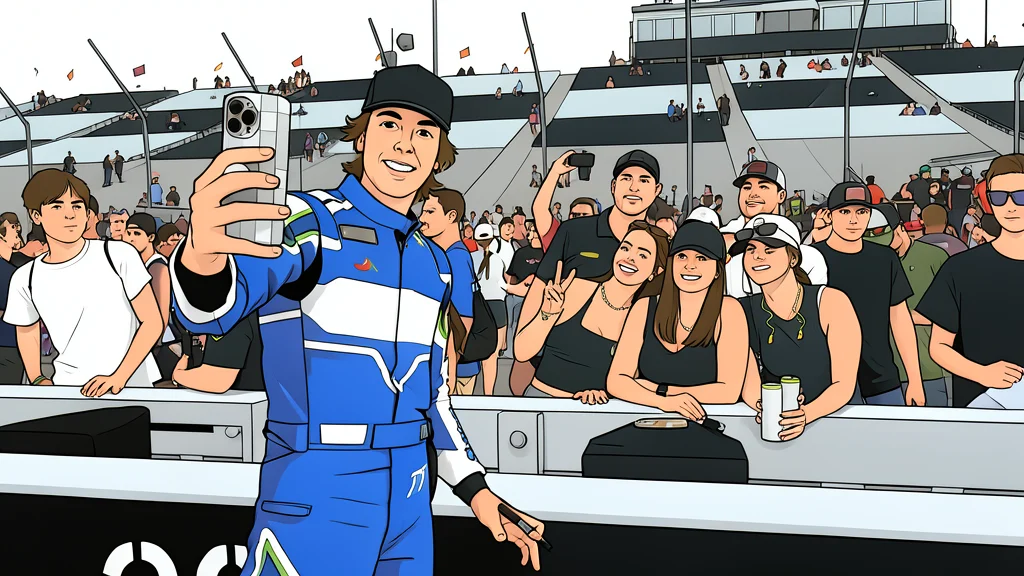
The pit lane at Gateway International Raceway hummed with the residual vibration of engines long since silenced. For twenty minutes, the white plastic barriers that usually separate the sterile world of professional racing from the chaotic energy of the crowd became a permeable membrane. Carson Hocevar, driver of the No. 77 Chevrolet, stood on the other side, signing autographs and posing for photographs while the track lights cast long, amber shadows across the asphalt. It was a deliberate pause in the frantic rush to clean up, a moment where the machinery of the sport stepped back and the human element stepped forward.
This act of patience stood in stark contrast to the week’s dominant narrative. Following a contentious contact with Brad Keselowski at Darlington, Hocevar had found himself at the center of a media firestorm. Critics, including Denny Hamlin and Freddie Kraft, questioned his maturity and seriousness, painting a picture of a driver detached from the gravity of his actions. Yet, as the crowd pressed against the fence, their phones raised like small torches in the twilight, Hocevar offered a different perspective, one rooted in the very love of the sport that drew them there.
A Different Kind of Spotlight
While the professional consensus leaned toward criticism, a different voice carried significant weight in the paddock. Dale Earnhardt Jr., observing the friction from the sidelines, defended Hocevar’s role in the ecosystem. He argued that the sport thrives on rivalry and entertainment, and that removing Hocevar from the equation would drain the field of a certain electric unpredictability. This external support provided a counter-narrative to the scathing critiques, suggesting that Hocevar’s presence, however polarizing, was essential to the sport’s vitality.
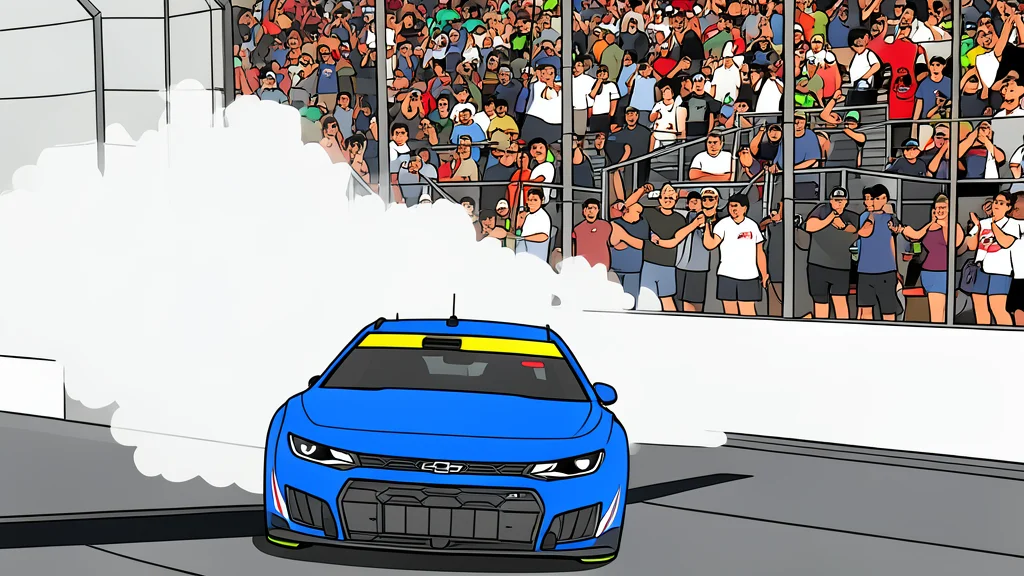
On the track itself, Hocevar delivered a performance that silenced some of the doubters. In a race defined by attrition and a season-high eighteen cautions, he navigated the chaos to finish eighth. It was a solid result, but it was the behavior off the car that truly shifted the tone. The driver who had been labeled aloof was now seen leaning over the barrier, engaging directly with the people who filled the stands. The physical distance between the driver and the fan, usually enforced by strict protocol, dissolved into a handshake and a shared smile.
Resetting the Narrative
When asked by Motorsport.com if his team, waiting for him to return so they could break down the rig, might be frustrated by the delay, Hocevar smiled. He dismissed the notion of anger, noting that no one on the crew would be upset by the opportunity to sign autographs. He offered a simple, grounding explanation: some of them are still fans at heart. This statement served as a reset button for the conversation. It reframed the previous week’s controversy not as a failure of professionalism, but as a divergence of priorities between the driver’s personal ethos and the rigid expectations of his peers.
Bridging the Wall
Hocevar described the scene at the barrier as surreal. He had seen the fans cheering as if he had won the championship, a reaction that initially confused him. But when the gate opened and the crowd surged forward, he refused to turn them away. He viewed the interaction as a fundamental duty, arguing that saying no would be contrary to his core values. He wanted to start a trend, to demonstrate that the relationship between driver and fan could be more personal, more tangible, and less transactional.
In the digital aftermath, Hocevar reinforced this message, writing that they race for everyone on the other side of the wall. While one good deed cannot erase the grievances held by some fellow drivers, it has undeniably solidified his standing among the public. The gesture at Gateway was not just a marketing move; it was a physical manifestation of a philosophy that the sport, in its high-speed, high-stakes environment, must not forget the people who make it possible. The barriers may separate the track from the stands, but they do not separate the driver from the fan.