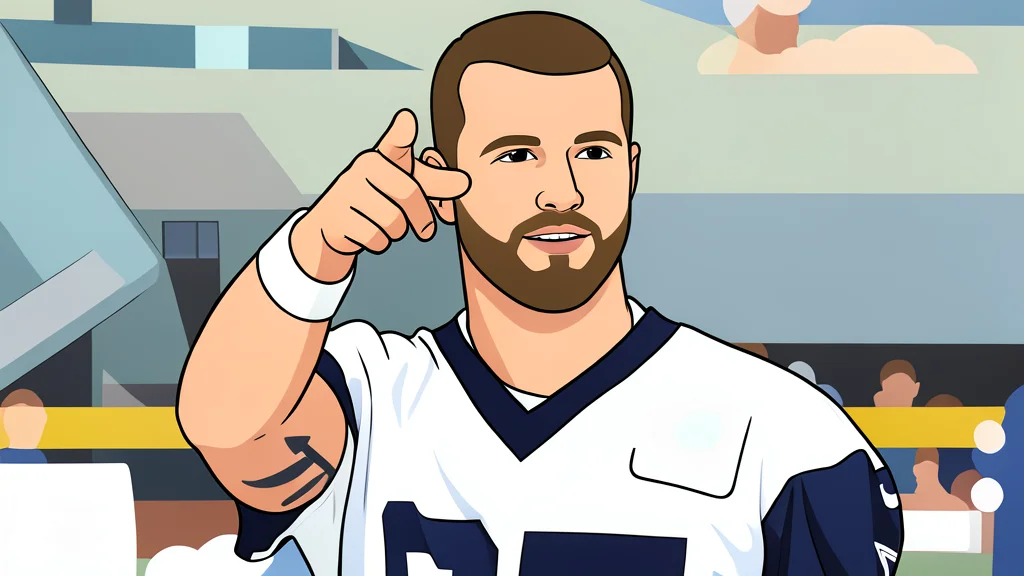
Hocevar Defies Criticism with Twenty-Minute Fan Session
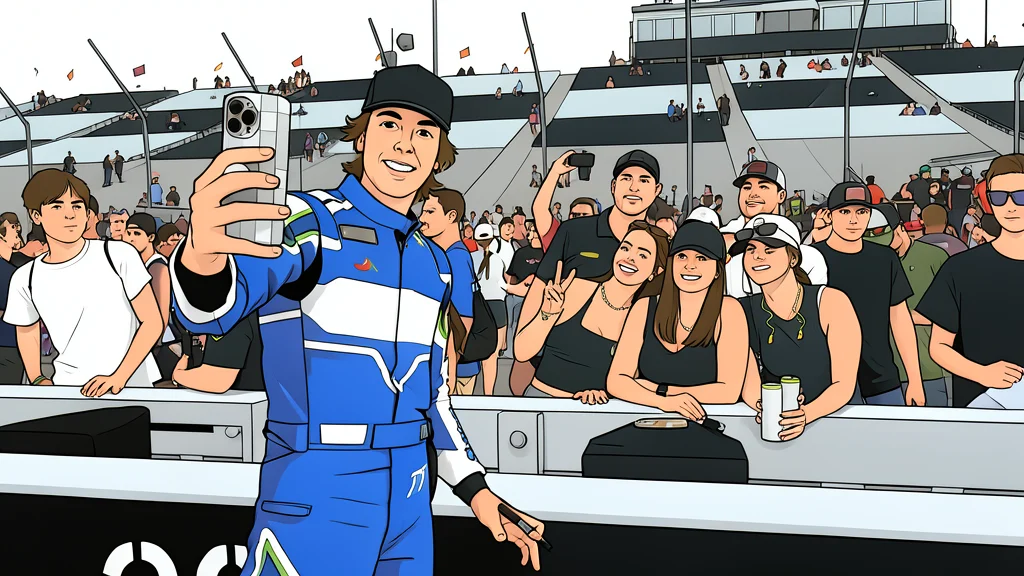
Carson Hocevar silenced critics not with words, but by lingering on the track for twenty minutes to meet the people who cheered him on.
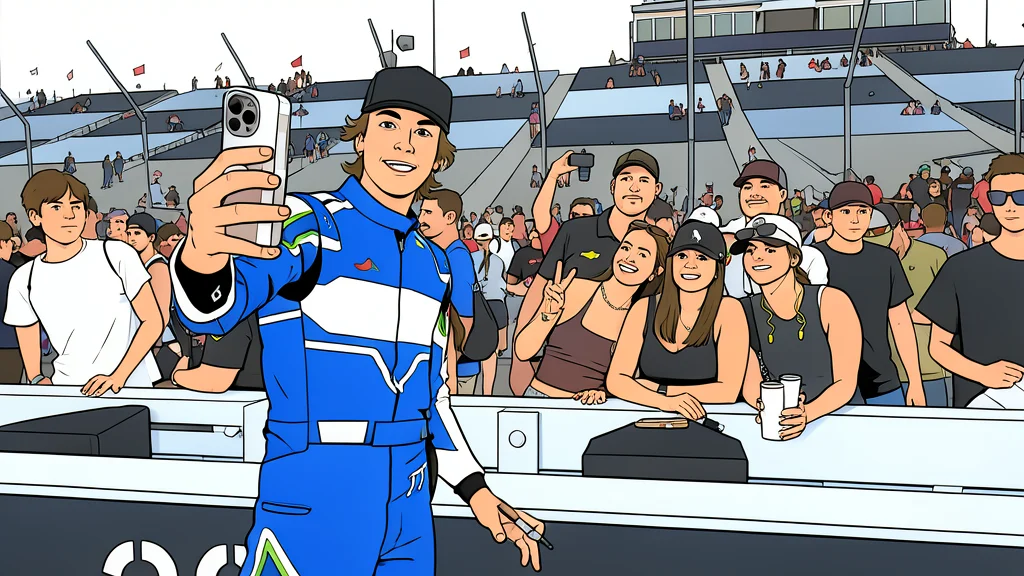
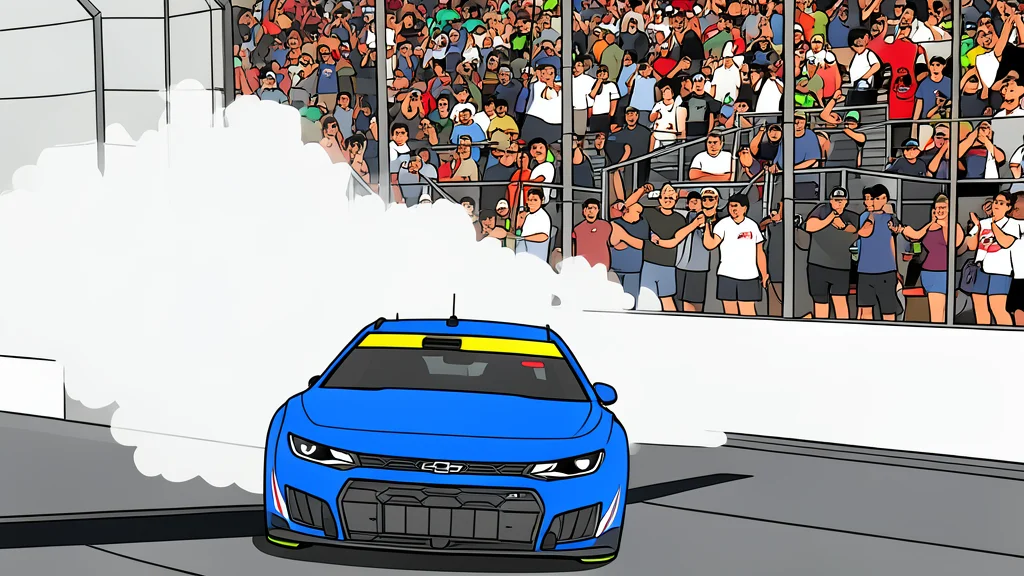
The concrete still radiated heat from the afternoon sun, but the air around the No. 77 Chevrolet had cooled into something electric. Carson Hocevar stood at the edge of the pit lane, markers in hand, surrounded by a wall of raised phones and expectant faces. For twenty minutes, he stayed. He signed shirts, posed for photos, and listened to the roar that had greeted his car. It was a quiet rebellion against the week’s noise, a deliberate pause in the high-speed churn of NASCAR.
This gesture landed with a force that far exceeded his eighth-place finish at Gateway. The race itself was a war of attrition, broken into fragments by eighteen cautions, but the moment after the checkered flag defined the narrative. Hocevar chose the fans over the immediate rush to the garage, a decision that reframed his public image overnight. He was no longer just the driver under fire; he was the one who remembered who he was racing for.
A Week of Sharp Criticism
The backdrop to Sunday’s event was a storm of professional scrutiny. Following a contact incident with Brad Keselowski at Darlington, Hocevar’s demeanor drew sharp rebukes from peers and media alike. Denny Hamlin and Freddie Kraft voiced their frustration, viewing the young driver’s calmness as a lack of seriousness in the face of controversy. The consensus among many in the paddock was that Hocevar was skating on thin ice, his reputation frayed by a week of intense media attention and internal team tension.
Yet not everyone shared that skepticism. Dale Earnhardt Jr. offered a counterpoint, arguing that the sport needed Hocevar’s presence to maintain its entertainment value. Earnhardt suggested that the rivalry and the drama Hocevar brought were essential ingredients of the game. This split opinion set the stage for a weekend where every move by the Spire Motorsports driver was magnified, waiting for a sign of intent or apology.
Choosing The Crowd Over The Garage
As the track cleared of competitors, Hocevar made his choice. While his crew waited to clean up the garage, he stayed by the fence. When asked by GN sports/motorsport (en-US) reporter Matt Weaver if his team would be frustrated with the delay, Hocevar smiled, dismissing the concern. He noted that his crew chief, Jeff Dickerson, would never be angry about him signing autographs. The statement was simple: some of us are still fans at heart.
The scene was one of reciprocal energy. Hocevar described the moment the gate opened, realizing the crowd was cheering as if he had won the race. He saw the opportunity to connect, to bridge the gap between the driver and the spectator. He refused to let the moment pass, recognizing that saying no would contradict his core values. It was a physical act of gratitude, a tangible reset of the conversation that had been spinning out of control since the previous race.
Resetting The Narrative For Spire
This single act of kindness served a dual purpose. It addressed the negative perception among fellow drivers while solidifying his status as a fan favorite. Hocevar acknowledged the duality of his position, knowing that one good deed would not erase past grievances. However, he believed in the power of starting a trend. By making the change, by engaging directly with the people who support the sport, he hoped to inspire others to follow suit.
On social media, Hocevar reinforced the message, stating that the team races for everyone on the other side of the wall. He emphasized that the entire Spire Motorsports organization remains connected to the fan experience, even as they compete on the other side of the fence. The twenty-minute session at Gateway was not just a pause; it was a declaration of identity, proving that the human element remains central to the high-speed world of NASCAR.