Madrid's First F1 Stop: Brilliance and Bad Luck

The new Madrid circuit promised chaos but delivered a sterile sprint where one driver seized glory while another was robbed by timing.
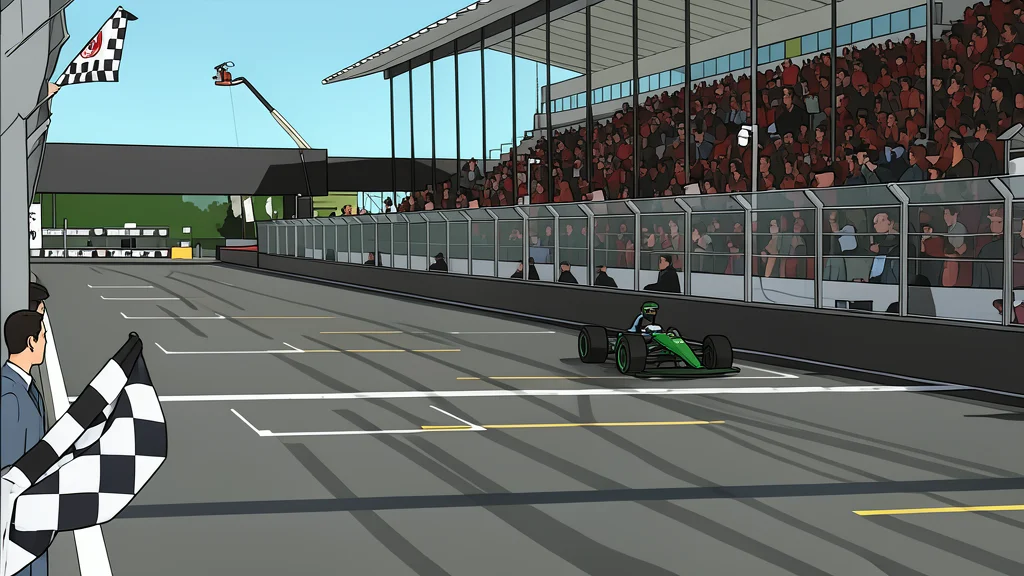
Asphalt shimmers under the Spanish sun, the red and white kerbs a jagged line against the grey tarmac. For forty-five years, the capital waited for this moment, and now the engines have roared into the heart of Madrid. The track is new, sharp-edged, and unforgiving. It does not bow to speed alone. It demands precision in corners that twist like knots, leaving no room for error and even less for redemption.
The race unfolded with a grim stillness. Overtaking was a ghost, a memory of what Formula 1 used to be. Drivers locked in their positions, tyres screaming against the unknown surface. In this vacuum, luck became the deciding factor, not just horsepower. The winners and losers were not defined by who went fastest, but by who survived the cruel arithmetic of the virtual safety car.
Antonelli's Calm Under Pressure
Kimi Antonelli navigated the minefield with a poise that belies his years. Leading the championship, the young Mercedes driver faced a track riddled with pitfalls, yet he emerged unscathed. He kept his tyres in check, managing the heat and the grip with surgical care. Behind him, the field crumbled, but Antonelli stood firm. His race engineer, Pete Bonnington, had to remind him that the rubber is not bulletproof, yet Antonelli pushed as if it were. With George Russell effectively out of the fight, the path to the title clears, paved by this mature performance.
Norris Robbed by Timing
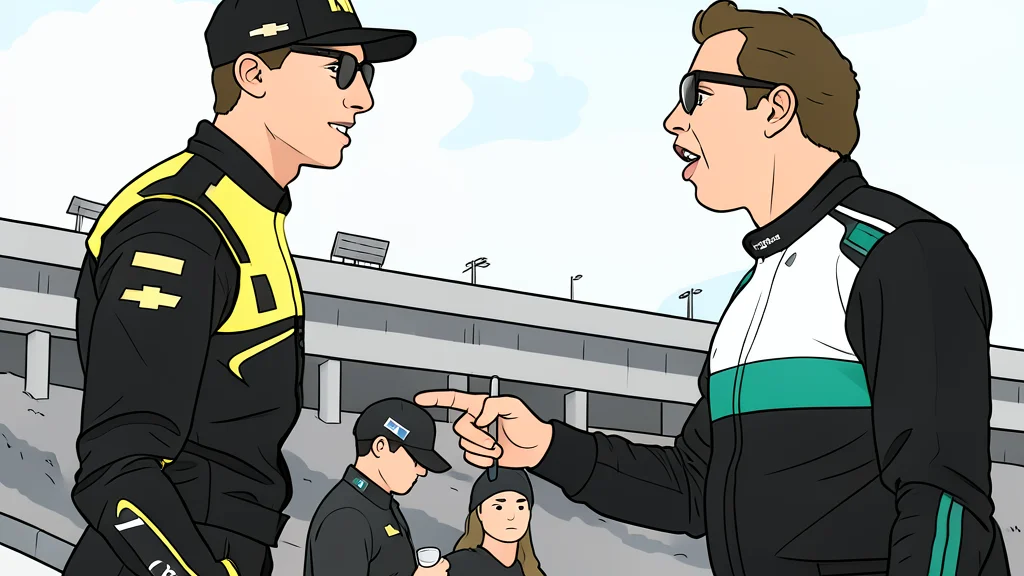
Lando Norris drove a masterclass, then lost it to a stopwatch. His qualifying lap was a piece of theater, securing pole position with a final burst of speed. On race day, he dominated the graining medium tyres, building a lead that felt unassailable. Then, the virtual safety car deployed. A few seconds of delay was all it took to ruin the afternoon. He missed the pit window. On a track where passing is nearly impossible, Norris was trapped, watching his rivals pass him during their stops. He called it insane bad luck, a cruel twist in a race he had already won in his mind.
Red Bull's Quiet Resurgence
Max Verstappen extracted value from a car that struggled on the low-speed corners. The Madring is not a natural fit for the Red Bull, with its awkward kerbs and tight turns. Yet, Verstappen finished second, ahead of faster machinery. It is a quiet victory, a confirmation that the team is making subtle, steady gains. His team principal, Laurent Mekies, noted the pace was consistent with recent rounds. For a team that often relies on outright dominance, this result is a different kind of proof: resilience in the face of a track that does not favor them.
Lewis Hamilton’s race ended before it could truly begin. An early battle with Verstappen set the stage, but a brake system failure cut the Ferrari driver’s afternoon short. The potential for a three-way fight evaporated, leaving the narrative to be written by those who remained. As reported by GN sports/motorsport, the Spanish Grand Prix was a study in contrasts: brilliance, bad luck, and the stark reality of a new circuit that offers little mercy to the unlucky.