Verstappen Dismisses Monaco Sprint as Emotionless Duty
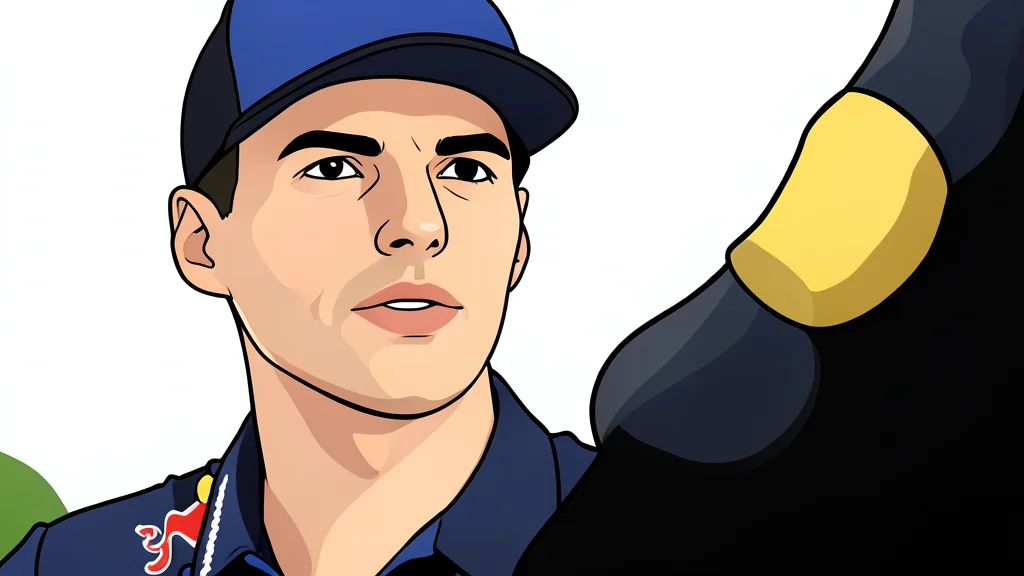
Max Verstappen calls the 2027 Monaco sprint a spoiler, stating he feels zero emotion about the format.
Key points
- Max Verstappen states he feels no emotion about sprint races, viewing them as a professional duty rather than a sporting challenge.
- The 2027 F1 calendar includes ten sprint races, with Monaco added to the list, causing debate among drivers about risk and reward.
- Sergio Perez learned of the Monaco sprint through the drivers' WhatsApp group, highlighting the surprise and mixed reactions within the paddock.
The air in Baku hums with the low thrum of engines and the sharp scent of hot rubber, a prelude to the grid’s latest skirmish. Max Verstappen stands apart from the usual paddock frenzy, his expression flat and unbothered as he addresses the 2027 calendar. The announcement of a sprint race in Monaco has rippled through the driver community, sparking debate about risk and reward on the narrow streets of Monte Carlo. Yet for the four-time world champion, the location is irrelevant. He does not see a thrilling addition to the sportsman’s craft; he sees a procedural hurdle, a checkbox in a list of obligations that demands his presence but not his passion.
Formula One has expanded its sprint schedule to ten rounds, a commercial decision that reshapes the rhythm of the season. The choice to place these shortened contests in Bahrain, Abu Dhabi, and now Monaco has divided opinion. While some view the extra grid action as a boon for fans, others see it as a dilution of the strategic buildup that defines a classic Grand Prix weekend. In this shift, the emotional core of racing is tested against the hard logic of television ratings and ticket sales.
Drivers debate the street circuit risk
Sergio Perez learned of the Monaco addition through the chaotic buzz of the drivers’ WhatsApp group, a digital echo chamber of surprise and skepticism. He admits the news caught him off guard, surfacing only through the visible reactions of his peers. The street circuit’s unique constraints make the sprint format particularly contentious. With overtaking nearly impossible, the traditional progression from cautious Friday practice to the high-stakes Saturday qualifying session is disrupted. Drivers must now find their limits earlier, compressing their learning curve into a tighter window.
Arvid Lindblad of Racing Bulls highlights the tactical dilemma. In a field where grid position dictates fate, the incentive to take massive risks in sprint qualifying is diminished. If a driver starts in P13, the lack of passing opportunities means they will likely finish without points. This dynamic encourages a conservative approach, potentially stifling the aggression that makes Monaco famous. The build-up to the main race, usually a crescendo of speed and precision, is flattened into a steady, calculated routine.
Verstappen views the sprint as a spoiler
Verstappen’s stance is unequivocal. He is not a fan of sprint weekends and never will be. For him, the sprint acts as a spoiler, revealing the performance hierarchy before the main event. In Monaco, this effect is magnified. The street layout offers few chances for wheel-to-wheel battles, making both the sprint and the Grand Prix predictable processions. The excitement of the start is quickly muted by the reality of the track, leaving drivers and fans with a sense of inevitability rather than anticipation.
Asked about the specific choice of Monaco, the Dutchman shrugs off the significance. He does not care where the sprints are held, viewing participation as a professional duty rather than a sporting challenge. His focus remains singularly on the Sunday race, the pinnacle of the weekend. The sprint is merely a formality, a segment of his job that requires his presence but not his emotional investment. In his mind, the true competition begins only when the lights go out for the Grand Prix.
Commercial logic shapes the calendar
The expansion to ten sprints is driven by commercial necessity, a reality that Motorsport.com notes as an inevitable trend in the sport’s evolution. The added content provides more broadcast hours and fan engagement, satisfying the demands of stakeholders. However, this commercial engine clashes with the purist view of racing, where the strategic depth of a three-day build-up is prized. The tension between business requirements and sporting integrity remains unresolved, with the 2027 calendar serving as a flashpoint for this ongoing debate.
As the paddock moves forward, the impact of these changes will be felt in the way teams and drivers prepare. The margin for error shrinks, and the pressure to perform increases. For Verstappen, the outcome is clear: he will participate, he will compete, but he will do so without the emotional weight that others might attach to the format. The sprint in Monaco is, to him, just another lap in a long, commercialized journey.