Aichi's Asian Games Cost Climbs to 370 Billion Yen

The budget for the 2026 Asian Games in Aichi has surged to 370 billion yen, driven by currency shifts and pandemic delays, even as organizers pivot to container villages to curb expenses.
The air in Nagoya still carries the scent of rain that fell so hard on September 8 it forced athletes to flee their quarters. That downpour was a warning shot, a physical reminder of the volatility now weighing on the region’s largest sporting event. The budget for the 2026 Asian Games has swelled from an initial 100 billion yen to 370 billion yen, a tripling that mirrors the storm clouds gathering over the global economy.
Governor Hideaki Omura points to the yen’s historic slide since 2021 as a primary driver, alongside the lingering aftershocks of the pandemic and rising oil prices. The currency’s weakness inflates the cost of every imported component, turning a standard construction project into a financial labyrinth. Yet the prefecture remains committed, viewing the games as a vital engine for industrial prestige and diplomatic reach across Asia.
Container Villages Replace New Builds
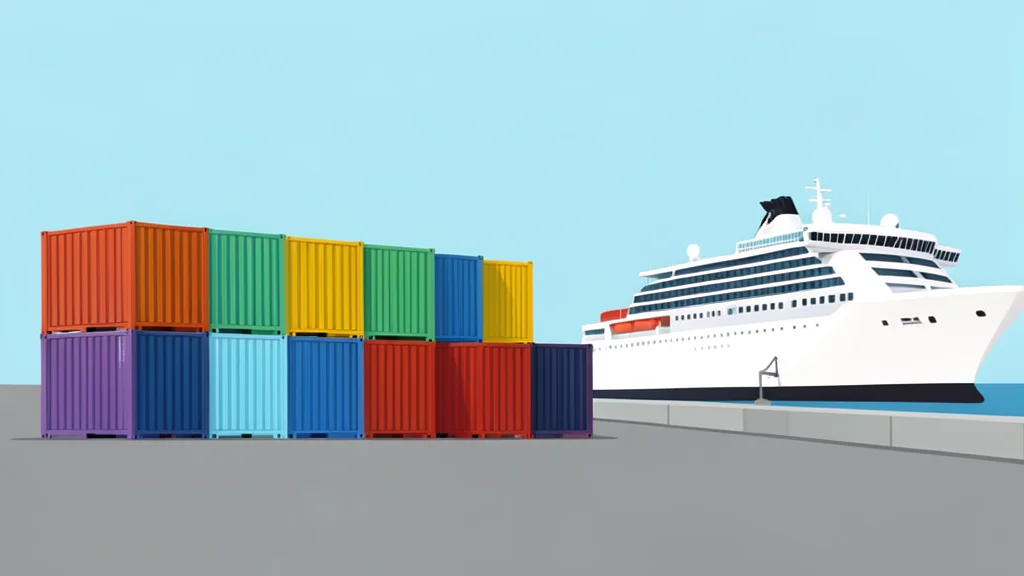
To claw back 100 billion yen in costs, the organizers abandoned the traditional dream of a permanent athletes' village. Instead, the horizon is dotted with mobile container homes and a repurposed cruise ship. These structures stand as temporary monuments to fiscal pragmatism, a stark contrast to the gleaming Mizuho Stadium and Aichi Prefectural IG Arena that were built anew for the occasion.
This hybrid approach blends the old and the new, utilizing existing venues where possible while erecting modular housing where necessity demands. The strategy is not merely about saving money; it is about reshaping the logistical footprint of the event. By avoiding the massive concrete pour of a traditional village, the organizers have reduced their carbon and financial load, creating a leaner, more agile infrastructure for the 20,000 expected participants.
Economic Impact in an Industrial Hub
Aichi is the beating heart of Japanese industry, home to Toyota and the Port of Nagoya, the country’s largest cargo gateway. The governor projects a total economic impact of 3.7 trillion yen, with 1.8 trillion yen flowing directly into the prefecture. This is not just about ticket sales; it is a massive injection into the supply chains, hospitality sectors, and service industries that pulse through the region’s veins.
Historic Host for a Global Stage
This will be the 20th edition of the Asian Games, and the third time Japan holds the torch, following Tokyo in 1958 and Hiroshima in 1994. Forty-five countries and territories will converge in Nagoya, competing in 43 sports. The opening ceremony is set for September 19, though football and basketball matches have already kicked off, testing the systems and the spirit of the host city.
As reported by GN auto sports/multisport: Asian Games, the event stands as a testament to resilience. Despite the budgetary headwinds and the weather-related disruptions, the infrastructure is rising. The stadium stands ready, the container villages are being assembled, and the economic gears are turning. The games are no longer just a sporting contest; they are a complex negotiation between cost, climate, and ambition.