India's Medal Push in Aichi-Nagoya
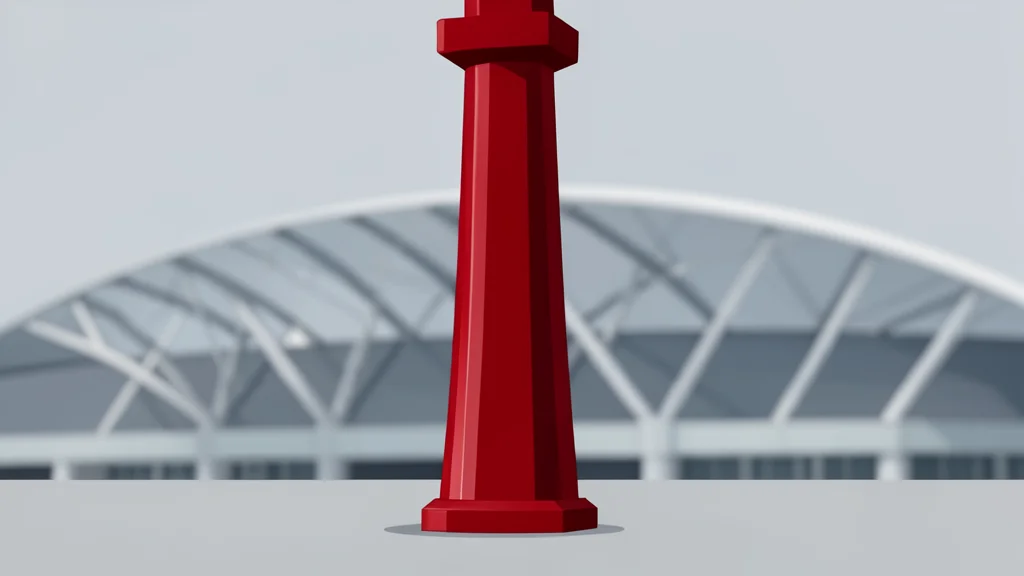
A red torii gate stands silent against the grey sky, framing the distant stadium roof. The air is still, waiting for the first roar.
Dust motes dance in the shafts of morning light falling through the open arena. The floorboards are polished to a mirror sheen, reflecting the pale blue of the Japanese sky. Somewhere in the distance, a drumbeat thrums, low and steady, vibrating through the soles of trainers. This is the threshold. The 20th Asian Games begin here, in Aichi-Nagoya, a vast concrete complex where ambition is forged under the watchful gaze of history.
India arrives not just to compete, but to reclaim. The delegation carries the weight of recent triumphs, a tangible momentum drawn from the Glasgow Commonwealth Games. It is a contingent of scarred knuckles and calloused hands, of lungs expanded by distance and muscles tightened by weight. They are here to convert continental potential into continental dominance.
Glasgow Momentum Fuels Aichi
The bridge between the two events is sturdy. In Glasgow, India captured thirty-nine medals, a haul of thirteen gold, seventeen silver, and nine bronze that signaled a new era of consistency. That metal now serves as ballast for the Asian campaign. The athletes did not simply win; they established a rhythm. Now, in the humid air of Central Japan, they seek to accelerate that tempo. The stakes are higher, the field deeper, and the scrutiny sharper. As reported by GN sports/multisport (en-US), the focus is on translating individual brilliance into a sustained team performance across forty-five nations.
The timeline is tight. From September 19 to October 4, the stadium becomes a hive of controlled chaos. Japan hosts for the third time, echoing the ghosts of Tokyo 1958 and Hiroshima 1994. For India, the target is clear: surpass the one hundred and seven medals secured in Hangzhou, where twenty-eight golds placed them fourth in the standings. The bar is high, but the climbing gear is already packed.
Weight and Distance Defy
Mirabai Chanu enters the 48kg category with the quiet confidence of a veteran. Her body is a map of past victories, from the silver in Tokyo to the gold in Glasgow. She stands before the barbell, eyes locked on the plates, ignoring the crowd. The metal groans under the load, a sharp, metallic scream that cuts through the stadium noise. It is a familiar sound, a ritual of strength. Beside her, in the athletics lanes, Murali Sreeshankar prepares for the long jump. His stride is a fluid machine, designed to shatter the eight-metre barrier. He has done it in Glasgow, touching down at 8.09 metres. Here, the sand awaits, dry and ready to receive the impact of his ambition.
Distance is a different kind of war. Gulveer Singh, having tasted silver in the 10,000m and bronze in the 5,000m at the Commonwealth Games, knows the pain of the final kilometers. His lungs burn, a hot coal in his chest, but his legs keep moving. It is a grind, a test of will against the clock. In the judo mats, Asmita Dey moves with explosive grace. Her gold in the 48kg division in Glasgow was a statement of arrival. Now, she seeks to hold that position, using leverage and speed to overpower opponents in the throw.
Boxing and Team Glory
The boxing ring is a square of violence and precision. Preeti Pawar and Jadumani Singh carry the scars of Glasgow, where they claimed gold and silver respectively. Their hands are wrapped in tight tape, ready to strike. Lovlina Borgohain, a Tokyo Olympic bronze medallist, adds depth to the squad. Her silver in the 75kg category at the Commonwealth Games proves her resilience. The Indian boxing team enters with a record-breaking momentum, having won ten medals in Glasgow, seven of them gold. It is a dominant force, one that does not yield easily.
Beyond the individual feats, the team sports carry the collective burden. Cricket, hockey, and kabaddi are not just games; they are national expectations. Shreyas Iyer leads the men’s T20 cricket team, while Harmanpreet Kaur steers the women’s side. The hockey pitch is a green strip of high-stakes strategy, where winners gain direct entry to the 2028 Los Angeles Olympics. The air is thick with anticipation, the crowd a murmuring tide waiting to break. India stands at the edge of the water, ready to dive.