Korea House Opens in Nagoya Amid Asian Games Hype
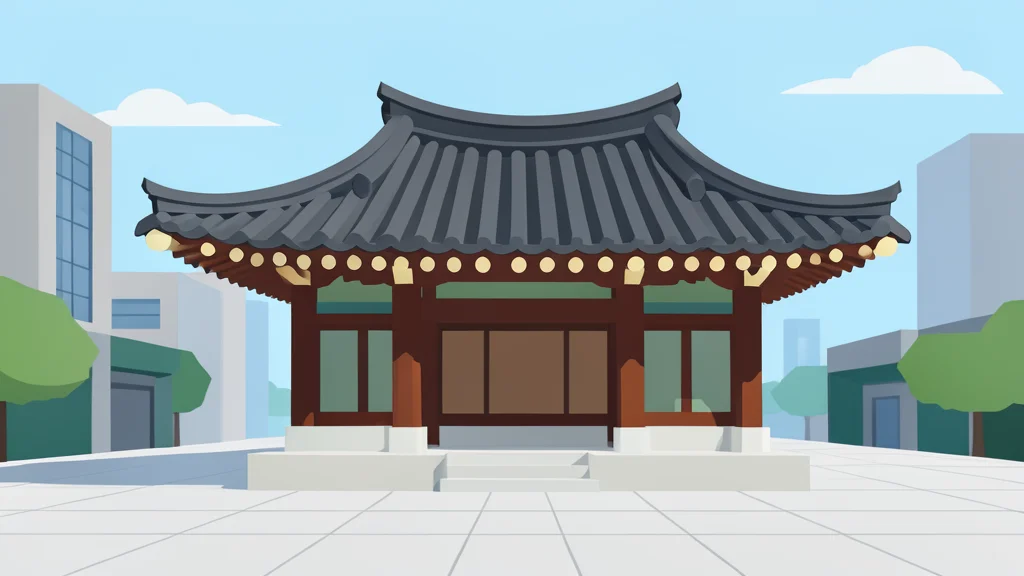
Under the neon glow of the 'Lives Nagoya' plaza, a traditional pavilion stands ready to bridge centuries of culture with modern athletic ambition.
The evening air in Nagoya hums with anticipation as the lights of 'Lives Nagoya' flicker to life. At 8 p.m. local time, the Korea House officially opens its doors, a sleek yet deeply rooted space designed to serve as the heartbeat for the South Korean delegation during the 2026 Aichi-Nagoya Asian Games. It is not merely a base camp; it is a stage where the rhythm of taekwondo meets the beat of B-boy crews, signaling a fusion of discipline and raw energy that defines the nation's sporting spirit.
This launch marks a significant milestone, being the second time such a facility has been deployed since the 2018 Jakarta-Palembang Games. Operated jointly by the Korean Sport & Olympic Committee and the Ministry of Culture, Sports and Tourism, the venue will remain active from September 18 until October 3, just one day before the closing ceremony. The presence of high-level dignitaries underscores the gravity of the event, with Ryu Seung-min, president of the Korean Sport & Olympic Committee, and Chae Hwi-young, Minister of Culture, Sports and Tourism, standing side by side to witness the unveiling.
Leaders Gather for Cultural Showcase
The ceremony was far more than a procedural handover of keys. It was a vibrant display of national identity, witnessed by a constellation of international sports leaders. Joan Bin Hamad Al Thani, president of the Olympic Council of Asia, and Spyros Kapralos, an IOC executive member, joined the crowd, their presence highlighting the diplomatic weight of the occasion. Won Yoon-jong, representing the IOC athletes, stood among them, a testament to the global reach of this local initiative.
On the floor, the atmosphere shifted from formal to kinetic. Taekwondo practitioners executed precise, sharp movements, their kicks slicing through the humid air, while B-boy crews broke into complex routines that showcased global competitiveness. This juxtaposition of ancient martial tradition and modern street dance created a vivid tapestry, illustrating how Korea’s dynamic image is built upon the convergence of sports and culture. It was a moment of shared experience, designed to connect people and share new impressions with the international community.
Strategic Hub for Diplomatic Exchange
Beyond the spectacle, the Korea House functions as a critical operational nerve center. The Sports Council intends to use the space to support South Korean athletes in the thick of competition, providing a sanctuary of strategy and rest. Simultaneously, it serves as a platform for sports diplomacy, facilitating interactions between the IOC, the OCA, and the National Olympic Committees of Asian countries. This dual purpose ensures that the venue is not just a backdrop, but an active participant in the diplomatic landscape of the Games.
Ryu Seung-min articulated the broader vision, describing the space as a place where people meet, connect, and share new experiences together. He emphasized the goal of sharing not only the passion of Team Korea but also the energy and diversity of Korean culture. Chae Hwi-young echoed this sentiment, expressing hope that the facility would elevate the status of Korean sports and serve as a strong support base for the athletes. The sentiment is clear: this is a space for connection, where the boundaries between sport, culture, and diplomacy dissolve.
Bridging Tradition and Modern Urban Space
Situated within the modern urban plaza of 'Lives Nagoya,' the Korea House represents a deliberate architectural and cultural statement. It stands as a bridge between the traditional and the contemporary, offering local visitors and international delegates a comprehensive promotional platform. As reported by GN auto sports/multisport: Olympic Games, the facility is set to introduce the nuances of Korean sports and culture to a wide audience. In the coming weeks, this pavilion will be more than a building; it will be a living narrative of national pride, resilience, and innovation, pulsing with the energy of the Asian Games.