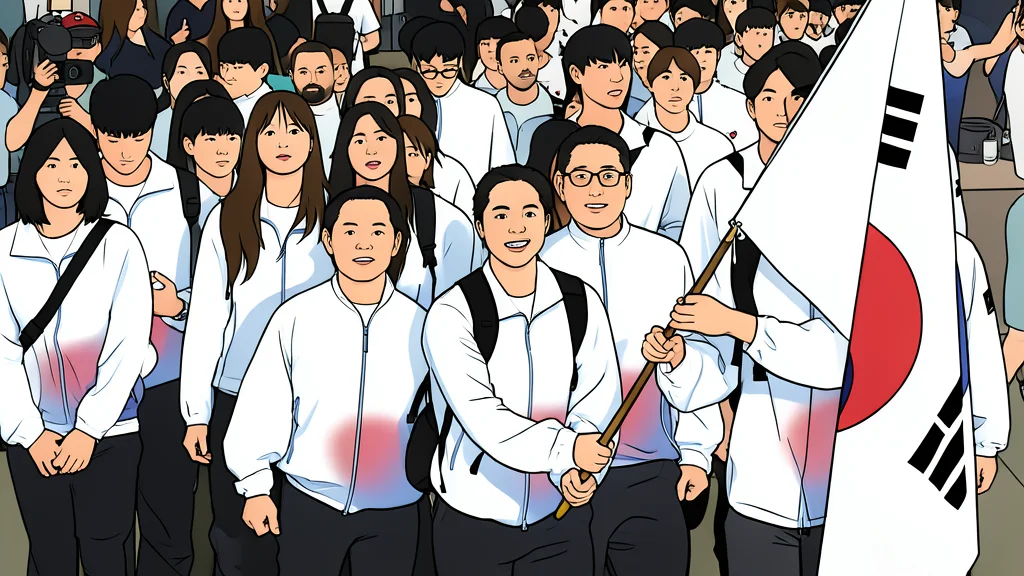
Lost in Nagoya: The South Korean Team's Bus Struggles
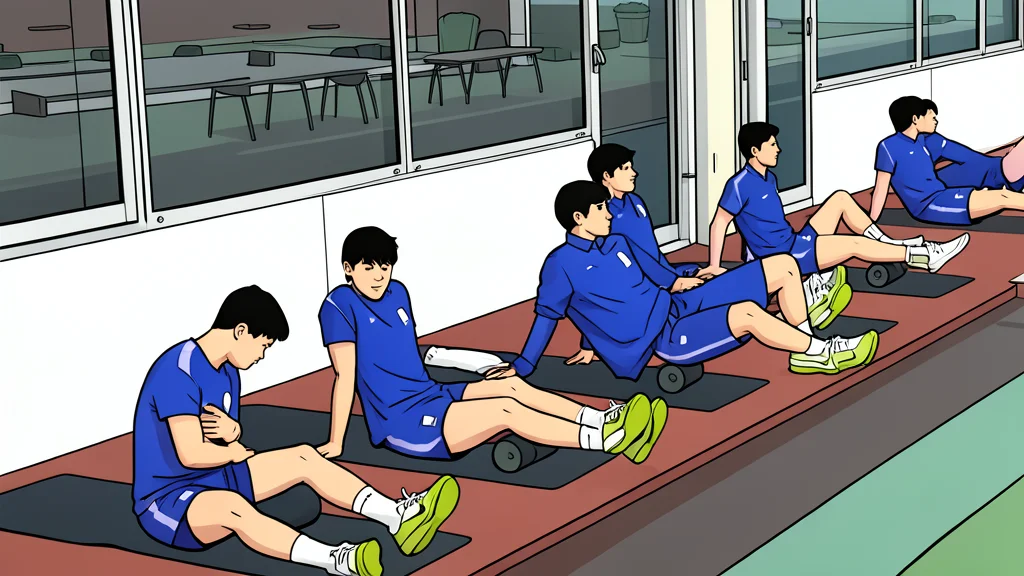
Rain-slicked pavement and a missed connection in Handa. The South Korean side navigates a chaotic logistical maze at the Aichi-Nagoya Asian Games.
The clock in Handa crept toward 10:30 a.m., the air thick with the humidity of a Japanese Wednesday. On the green expanse of the recovery field, the grass stood tall and wet, waiting for boots that never came. The South Korean men’s national football team sat in their hotel, engines of frustration idling beneath the surface. They had just dismantled Qatar 4-0 the previous day, a performance that should have been met with fresh legs and immediate recovery. Instead, the organizing committee’s failure to dispatch a single designated vehicle left the squad stranded. The silence in the lobby was heavier than the rain drumming on the windows. Minutes bled away. The 40-kilometer stretch to the venue felt like a continent. When the wheels finally turned, the arrival at 10:50 a.m. was less a victory than a surrender to the chaos of the moment.
This was not an isolated stumble. It was a pattern etched into the days since the tournament began. On Tuesday, the team rolled into Nagoya City Mizuho Park Rugby Field thirty minutes late for their match against Qatar. The driver had lost the route, a simple error that cost the players crucial pre-game rhythm. The scene was a blur of hurried steps and anxious glances, the stadium lights humming with an energy that felt untamed. Now, the same friction ground against the training schedule. The KFA official’s words carried the weight of repetition: "Minor issues regarding vehicle scheduling and operations have been continuously arising." It is a quiet crisis, one that threatens to erode the physical edge of a team built on precision.
A Pattern of Missed Connections
The delay in Handa was merely the latest entry in a growing ledger of logistical failures. The Qatari team faced a similar hurdle, their own transport plans unraveling in the same web of scheduling errors. Even head coach Lee Min-sung was caught in the net, arriving minutes late to his pre-tournament press conference on Monday. The absence of a designated vehicle was not a one-off glitch; it was a systemic tremor. The Korea Football Association noted that this situation is not unique to their squad. Every team participating in the tournament is navigating the same turbulent waters. The frustration is shared, a collective exhale of breath held too long.
The Shadow Over the Games
The 20th Asian Games, the first quadrennial continental multisport event held in Japan in 32 years, is officially opening Saturday. The football and basketball competitions are already in full swing, the balls flying through the air with a purpose that the ground operations have yet to match. The contrast is stark. On the field, the players move with a fluid grace, their bodies tuned to the rhythm of the game. Off the field, the machinery of the event sputters. The GN auto sports/multisport: Asian Games coverage highlights how these behind-the-scenes struggles cast a long shadow over the spectacle. The glory of the pitch is hard to appreciate when the bus to the pitch never arrives.
Resilience in the Face of Chaos
Despite the setbacks, the team’s resolve remains unbroken. The 4-0 victory over Qatar stands as a testament to their skill, a bright spot in a cloud of logistical inconvenience. The players are professionals, conditioned to adapt, to find the next step even when the path is obscured. The recovery session in Handa will happen, the boots will touch the grass, and the cycle will continue. But the memory of the delay will linger, a reminder that excellence requires more than just talent. It requires a system that works, a foundation that holds. For now, the South Korean team is learning to play a different game, one where the rules are written in the language of delays and detours.