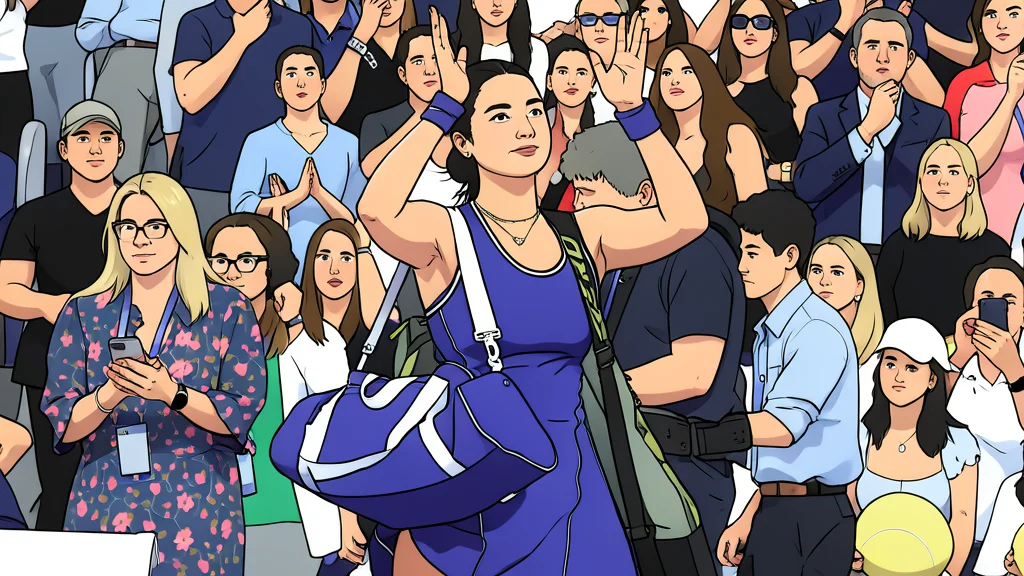
Manu Bhaker Urges Focus over Complaint at Nagoya Asian Games
Under the humming floodlights of Nagoya, a shooting ace cuts through the noise of logistical friction with a single, piercing directive: compete.
The air in the Nagoya arena is thick with tension, not just from the humidity but from the murmurs of athletes who find their lodging cramped and their training commutes endless. In this haze of organizational friction, Manu Bhaker stands apart, her gaze fixed not on the chaos but on the target. She has spoken to her Indian teammates with a clarity that strips away the excuses. The message is stark: the opportunity is singular, and the energy spent on grievance is energy stolen from performance.
Bhaker, the 24-year-old double Olympic medallist, acknowledges the visible cracks in the Games' infrastructure. She has seen the complaints ripple across social media, the shared frustration of athletes navigating a messy build-up. Yet, she reframes the narrative. This is not a time for audit; it is a moment for execution. The work is done. The preparation is complete. Now, the only variable left is the individual’s resolve to deliver their best, regardless of the surroundings.
A rare ceremonial honor
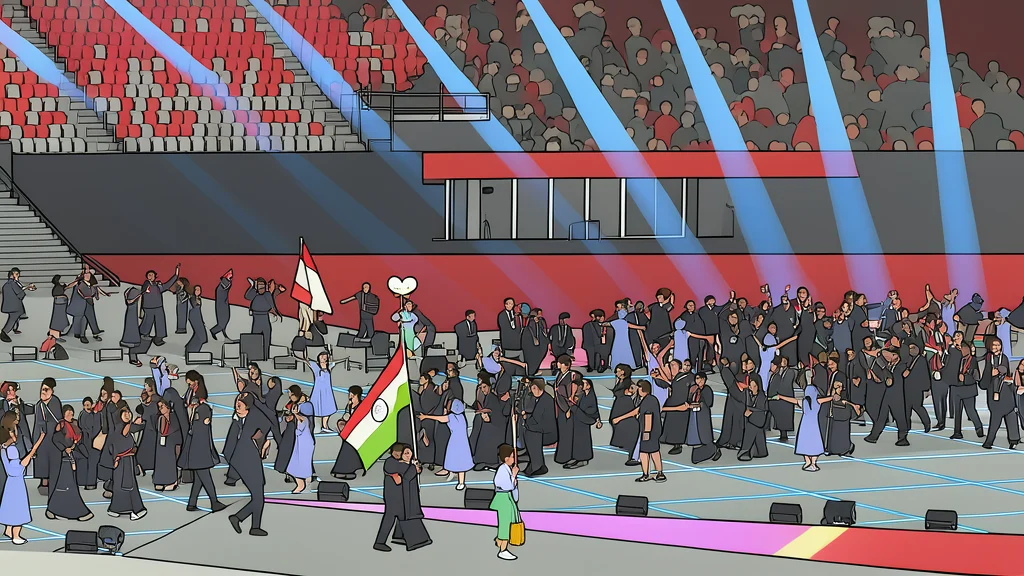
For Bhaker, the current moment carries a weight that extends beyond the competition. She has been named one of the two flag bearers for the Indian contingent in the opening ceremony. This role is not merely symbolic; it is a personal milestone rooted in her past. When she first competed at the Asian Games in Palembang in 2018, she was just 16 years old. The ceremony passed her by then, a distant event she did not attend. Now, standing on the threshold of her third Asian Games, the dream of walking with the flag has become a tangible reality.
The decision to attend the ceremony was once a strict condition set by her late coach, Jaspal Rana. He allowed her to participate only if she carried the flag, a rule that respected the demanding schedule where matches often begin the day after the gala event. For Bhaker, the flag bearer’s role is a bridge between her humble beginnings and her current stature. It is a moment of pride, a physical manifestation of the journey from a young shooter in the stands to a leader on the field.
Legacy of the Paris medals
Bhaker’s presence in Nagoya is shadowed by the historic achievement of the 2024 Paris Olympics. There, she etched her name into Indian sporting history as the first athlete from independent India to win two medals in a single Olympic edition. Her bronze medals in the individual and mixed team 10m air pistol events were not just metals; they were statements of endurance and precision. That same focus now drives her approach to the Asian Games. The medals are in the past; the performance is in the present.
A quiet substitution in leadership
As the Indian contingent prepares for the opening ceremony, a small but significant adjustment has been made. Pawan Sehrawat, the seasoned kabaddi player, has taken the place of shot-putter Tajinderpal Singh Toor as the other flag bearer. The reason is practical, not ceremonial: Toor’s ceremonial kit is not in his luggage, a logistical snag that precludes his attendance. Sehrawat steps in, ready to carry the weight of the occasion. This substitution, like the broader logistical challenges, underscores the gritty reality of the Games, where even the most prestigious moments are subject to the friction of travel and packing.
According to GN auto sports/multisport: Olympic Games, the atmosphere remains charged with this blend of high ambition and low-level frustration. Yet, Bhaker’s voice cuts through the clutter. She does not ask for perfect conditions; she asks for perfect effort. The stadium lights are bright, the track is ready, and the athletes are present. The rest is up to them. The complaint has its place, but it is not here. Here, in the heart of the competition, the only thing that matters is the act of giving one’s best.