Nagoya's Opening Sparks India's Multi-Sport Surge
The fireworks have faded in Nagoya, but the competition ignites at dawn. India's 501-athlete contingent steps onto the global stage with eyes fixed on a record-breaking 2026.
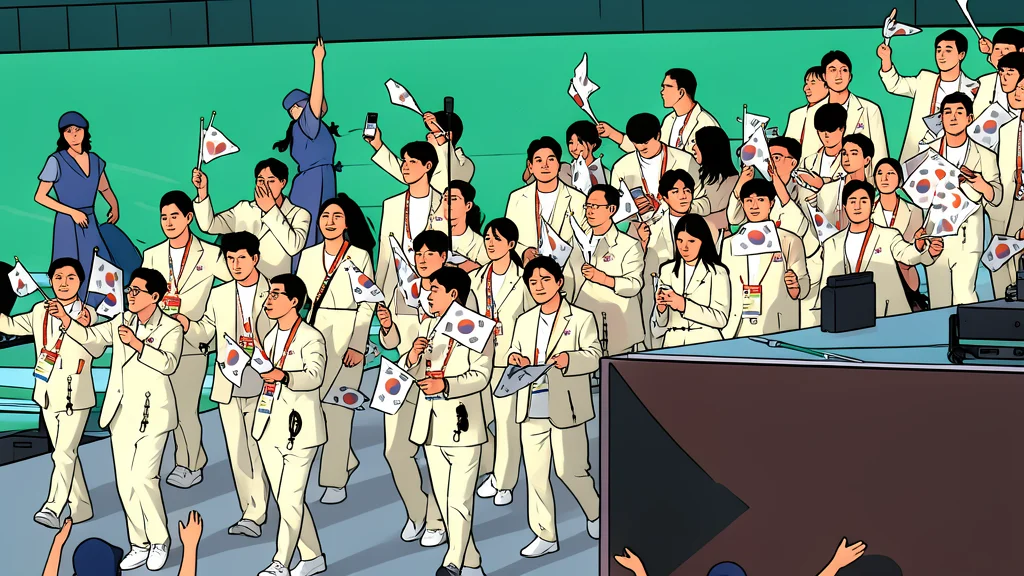
The sky over Nagoya still hums with the residual energy of Saturday’s glittering opening ceremony. Dance and fireworks painted the night, a stark contrast to the logistical hiccups that clouded the buildup. Yet, the atmosphere has shifted from spectacle to substance. India arrives not just to participate, but to dominate, carrying the weight of a historic 106-medal haul from Hangzhou into this new arena.
The ambition is tangible, stretching far beyond a simple tally. A jumbo group of 501 athletes represents a nation that has rewritten its continental expectations. The belief is no longer that success is confined to a handful of traditional events; it is a broad, multi-disciplinary surge. As the sun rises on Sunday, September 20, the schedule is dense, demanding, and poised for history.
Dawn Breaks for Medal Contenders
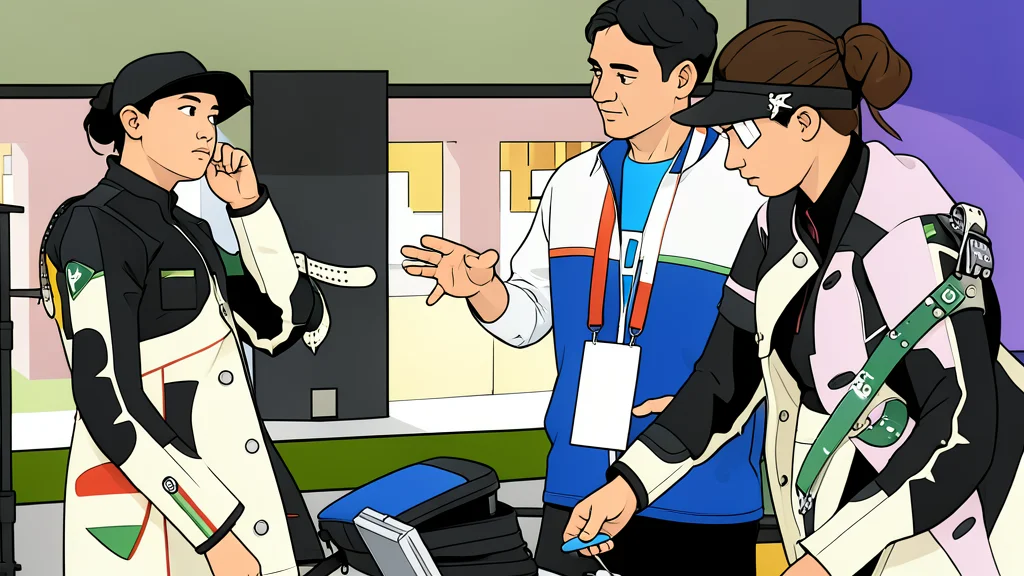
The day begins before the city fully wakes. At 5:30 AM, Suraj Singh Mayanglambam steps into the Wushu Changquan final, a high-stakes moment where every movement counts. Shortly after, the air rifle range falls silent as Elavenil Valarivan, Sonam Maskar, and Vidarsa Vinod enter the 10m Air Rifle qualifying. Their focus is razor-sharp; this is a medal event, and the pressure is immediate. By 6:30 AM, the table tennis tables in Group F are occupied, with India facing Indonesia in the women’s team event, followed by a clash with Singapore at 12:30 PM.
Simultaneously, the swimming pool churns with early morning heat. Akash Mani dives into the 100m Freestyle heats at 7:22 AM, while Utkarsh Patil and Rishabh Das prepare for the 100m Backstroke. The pace is relentless. In the martial arts arena, Suchika Tariyal enters the women’s Traditional 60kg quarterfinal at 7:10 AM, facing Mongolia’s Altanchimeg Baigalmaa. The rhythm of the day is one of continuous motion, each sport demanding total physical and mental engagement from the first minute.
Midday Clashes on Court and Pitch
As the morning light peaks, the action moves to the larger fields and courts. At 7:30 AM, the women’s hockey team tackles Uzbekistan in Pool B, a contest of speed and stamina on the turf. Exactly an hour later, the men’s hockey squad faces Indonesia in Pool A, a pivotal moment in their group stage campaign. The badminton arena sees the women’s team open their Round of 16 against Kazakhstan at 11:30 AM, a test of endurance and tactical precision.
The cricket stadium holds its breath at 10:30 AM for the women’s semifinal against Bangladesh. This is a high-octane encounter, where every boundary and wicket shifts the momentum. Meanwhile, in the teqball arena, Quimcy Dsouza competes for bronze in the singles at 6:30 AM, followed by a mixed doubles bronze medal match at 7:00 AM. The day is a tapestry of synchronized efforts, each athlete contributing a thread to India’s broader narrative of excellence.
Afternoon Stakes in Martial Arts
The afternoon brings a shift in intensity. At 2:00 PM, Varun Sanyal enters the men’s Traditional 77kg MMA quarterfinal, a grueling test of strength and technique. The wushu sanda events continue with Aparna facing Iran’s Sogand Sinkaeichetan in the 52kg Round of 16 at 3:10 PM. The air is thick with anticipation as Vikrant Baliyan takes on Soheil Mousavi in the 75kg category at 4:50 PM. These are not just matches; they are declarations of capability on a continental stage.
The sepak takraw team, comprising twelve athletes including Arun Raju and Jasvir Sukhbir Singh, competes in the preliminary group, their skills honed for the unique demands of the sport. The day ends not with a conclusion, but with a continuation of the struggle. As reported by GN sports/cricket, this schedule is a blueprint for a nation’s ambition, laid out in precise time slots and fierce competition. The road to the podium is paved with these early morning dives, midday rallies, and afternoon clashes, each one a step toward the historic goal.