Politics Intrude on Asian Games Opening Ceremony
Tension hangs heavy in Nagoya as political disputes shadow the opening ceremony, forcing the Olympic Council of Asia to address protocol breaches involving Chinese Taipei officials.
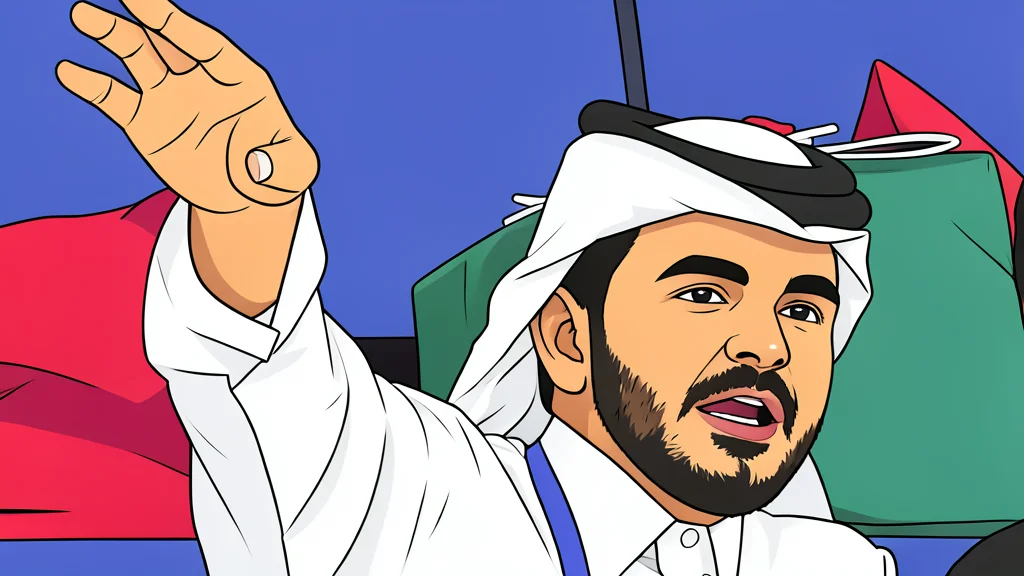
The air in Nagoya is thick with anticipation, the polished floors of the stadium gleaming under the bright lights of a moment that should be purely athletic. Yet, just hours before the official opening ceremony, the atmosphere has curdled. Sheikh Joaan bin Hamad Al Thani, president of the Olympic Council of Asia, stands before the media with a face set in stone. He is not here to celebrate the start of the games; he is here to address a breach of the sacred separation between sport and statecraft. The silence following his words is heavy, a stark contrast to the expected roar of the crowd.
The incident in question occurred just days prior, a sharp intrusion into the welcoming ceremony. Lee Yang, the sports minister of Taiwan and a two-time Olympic badminton gold medalist, was temporarily barred from participating in a flag-raising. The OCA later cited a misunderstanding, but the damage to the diplomatic and sporting fabric had already been done. Lee was eventually allowed to proceed, but the episode has left a sour taste. It is a reminder that in this corner of the world, the line between the athlete and the politician is dangerously thin, and often, non-existent.
A Breach of Olympic Protocol
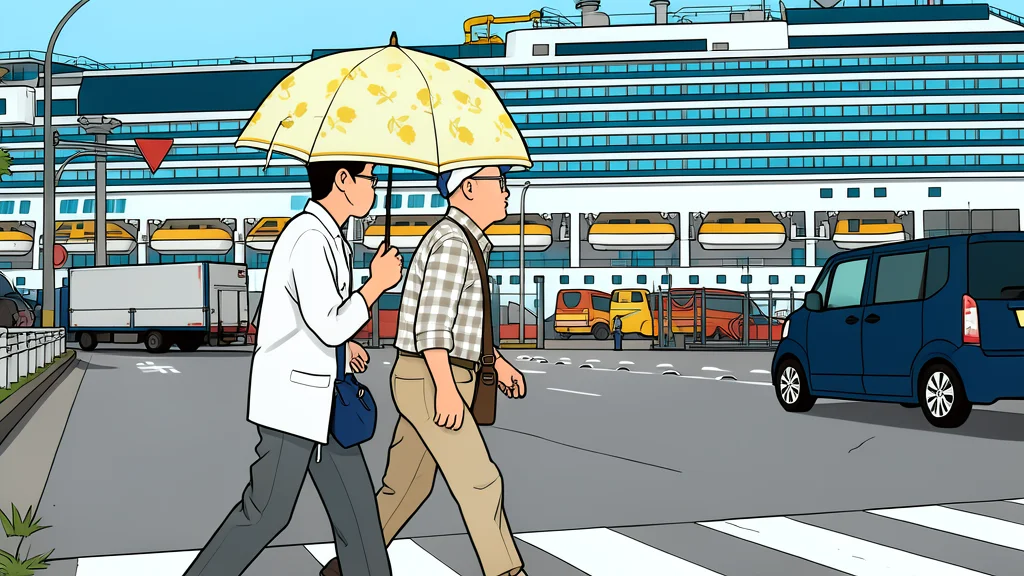
Sheikh Joaan’s frustration is palpable. He is the younger brother of the Emir of Qatar, a figure who understands the weight of political leverage in sports. Speaking to reporters, he stated clearly that politicians should not be involved in sports. His tone is not one of anger, but of weary disappointment. The Asian Games, a massive undertaking with over 17,000 athletes and officials, some housed on a cruise ship, are meant to be a showcase of athletic prowess. Instead, they have become a stage for political signaling. The protocol, he insists, is clear, and all delegations are aware of what is expected. Yet, the incident suggests that some actors are willing to test those boundaries.
The complexity of the situation is further compounded by the geopolitical reality. Taiwan competes in the Asian Games and the Olympics under the name Chinese Taipei, without its own flag, due to China’s claim on the island. This delicate arrangement requires a careful balance of respect and sovereignty. When that balance is upset, the consequences are felt by everyone. The OCA’s attempt to manage the situation through what they termed a misunderstanding highlights the fragility of the peace that underpins these international sporting events.
Dignity and Diplomatic Standoff
Chen Shih-kwei, vice president of the Chinese Taipei Olympic Committee, offers a different perspective. He speaks of dignity and principles, terms that carry significant weight in this context. The committee insisted on equal participation and the upholding of the Olympic spirit. They refused to back down, engaging in negotiations that they describe as a firm stand for their rights. Lee Yang, speaking to Taiwanese reporters, emphasized the need to safeguard their rights and avoid suppression. Their goal is simple: to allow their athletes to perform at their best and to ensure that Taiwan remains visible on the international stage.
The stakes are high. This is not just about a single ceremony or a single official. It is about the integrity of the games themselves. As the opening ceremony approaches, the focus returns to the athletes. They are the ones who have trained for years, sacrificing comfort and time to reach this moment. They are the ones who will run, jump, and swim. The political noise, however, lingers in the background, a constant reminder that in the modern world, sport and state are inextricably linked. The hope is that the games will serve as a bridge, not a battleground, allowing the true spirit of competition to shine through the haze of political intrigue.
Athletes Above Political Noise
In the end, the athletes are the ones who must carry the weight of the moment. They are the ones who will light the torch, run the track, and compete for glory. The political disputes, while significant, are secondary to the primary purpose of the games. The OCA, under Sheikh Joaan’s leadership, must now focus on ensuring that the remainder of the event proceeds smoothly. The protocol has been tested, but the games must continue. The spotlight, for now, remains on the track and the pool, where the true measure of human achievement is found.
As the crowds gather and the anthems play, the hope is that the memory of the dispute will fade, replaced by the excitement of competition. The Asian Games are a testament to the power of sport to bring people together, even in the face of political division. It is a fragile peace, but it is one worth protecting. The athletes, for their part, are ready. They have done their work. Now, the world watches to see what they can achieve.