Politics Intrudes on Asian Games Opening in Nagoya
Nagoya’s air hangs thick with anticipation as the Olympic Council of Asia confronts a diplomatic rift just hours before the official opening ceremony.
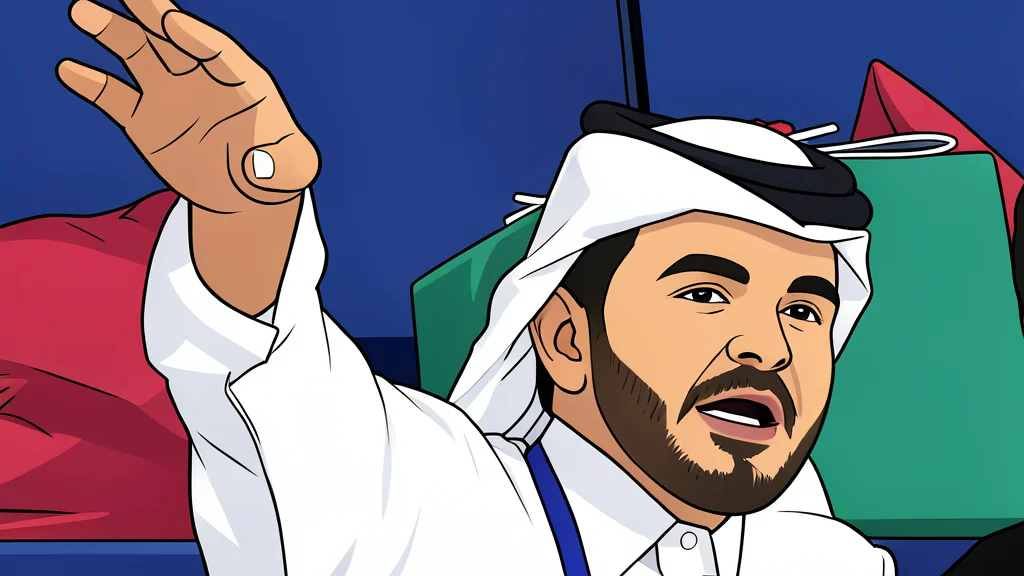
The polished floors of Nagoya’s venues gleam under harsh stadium lights, reflecting the tension that has settled over the Asian Games. Sheikh Joaan bin Hamad Al Thani, president of the Olympic Council of Asia, stands before reporters, his expression tight, acknowledging that political friction has breached the sanctuary of sport. The moment is charged, the silence heavy with unspoken protocols. He speaks of a welcoming ceremony involving Taiwan that became a flashpoint, admitting that politics have already entered the arena. It is a stark admission, delivered with a weight that suggests the calm of the games is fragile.
Sheikh Joaan, the younger brother of the Emir of Qatar, does not mince words. He states plainly that politicians and politics should not be involved in sports. Yet, here they are, woven into the fabric of the opening weekend. The incident occurred Friday, when Lee Yang, Taiwan’s sports minister, was temporarily barred from a welcoming ceremony and flag-raising. The Olympic Council of Asia later attributed the exclusion to a misunderstanding, allowing Lee to participate. But the stain remains, a visible scar on the event’s diplomatic skin.
A Diplomatic Standoff in the Stadium
Lee Yang is not merely a politician; he is a two-time Olympic gold medalist in badminton. His presence on the court in 2020 and 2024, defeating Chinese pairs in the finals, marks him as a figure of athletic significance. Yet in Nagoya, his role has shifted to that of a diplomatic representative. Taiwan competes under the name Chinese Taipei, without its flag, a concession to China’s territorial claims. This constraint creates a delicate balance, one that was disrupted when reports emerged that the OCA had issued an order barring Lee. Taiwanese officials sought to see this order, but officials were unable to produce it.
Chen Shih-kwei, vice president of the Chinese Taipei Olympic Committee, describes the standoff as a matter of dignity. "We chose to stick to our principles," he says. The delegation insisted on equal access and respect, forcing negotiations with the local organizing committee and the OCA. Lee later told reporters that they are safeguarding their rights against suppression. The atmosphere is one of guarded resilience, athletes and officials moving through the halls with a quiet determination to assert their place on the international stage.
Scale and Logistics of the Games
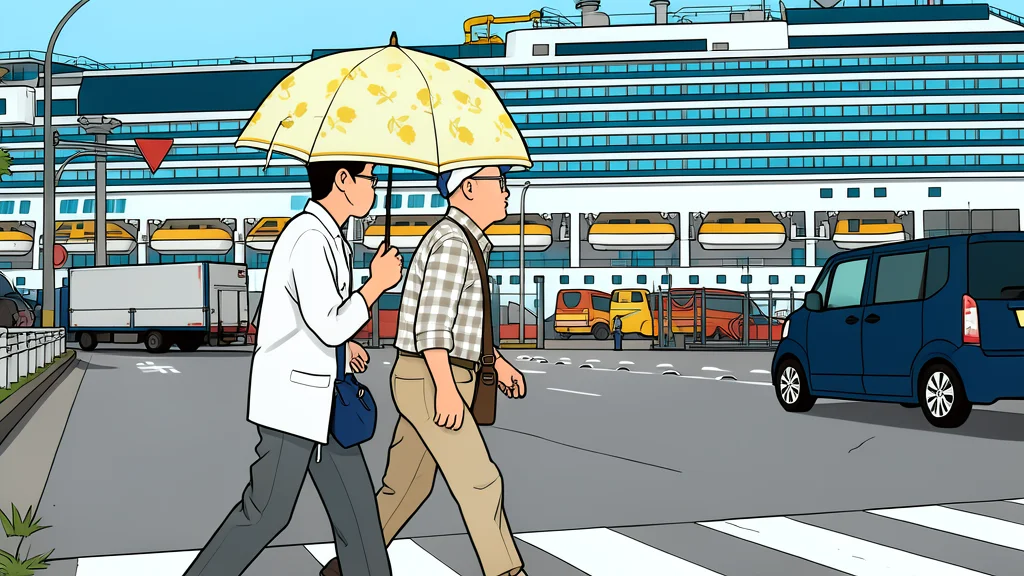
The Asian Games in Nagoya are a massive logistical undertaking, designed to accommodate more than 17,000 athletes and officials. To manage the packed schedule, some events began days before the official opening. The scale is impressive, with up to 5,000 participants housed on a cruise ship, a floating city of competitors and staff. This infrastructure allows the games to proceed with a momentum that is difficult to halt, even in the face of diplomatic disputes. The machinery of sport keeps turning, driven by the sheer volume of human ambition and athletic pursuit.
Sheikh Joaan emphasizes that all delegations know the protocol, what should and should not be done. He hints at the OCA’s method of handling such incidents, suggesting a structured approach to maintaining order. The games continue, the athletes train, the ceremonies proceed. The political undercurrents remain, a silent current beneath the surface of the competition. The focus returns to the track, the court, the pool, where the true measure of the games is taken. The politics are a backdrop, a shadow that looms but does not define the athletic endeavor.
The Pursuit of Athletic Purity
As the opening ceremony approaches, the narrative shifts back to the athletes. Lee Yang hopes that more Taiwanese athletes can perform at their best, giving their all to make Taiwan more visible. The desire for visibility is a driving force, a counterbalance to the political constraints. The Olympic spirit, as Chen Shih-kwei calls it, is the ideal, a standard of equality and dignity. The reality is more complex, a negotiation of space and recognition. Yet the athletes remain focused, their eyes on the finish line, the final point, the medal.
The source, GN auto sports/multisport: Olympic Games, reports on the intricate balance between sport and state. The incident in Nagoya is a reminder that the games are never entirely separate from the world. Politics seep in through the cracks, challenging the purity of the competition. But the athletes persist, their dedication a testament to the human drive to excel. The stadium lights dim, the crowds hush, and the race begins. In that moment, the political noise fades, leaving only the sound of effort and the hope of victory. The games go on, a testament to the resilience of sport in the face of division.