Silver Rings the Opening Bell for India's Asian Games 2026

The first podium finish lands with a metallic clink, setting the tone for a multi-sport campaign in Aichi-Nagoya.
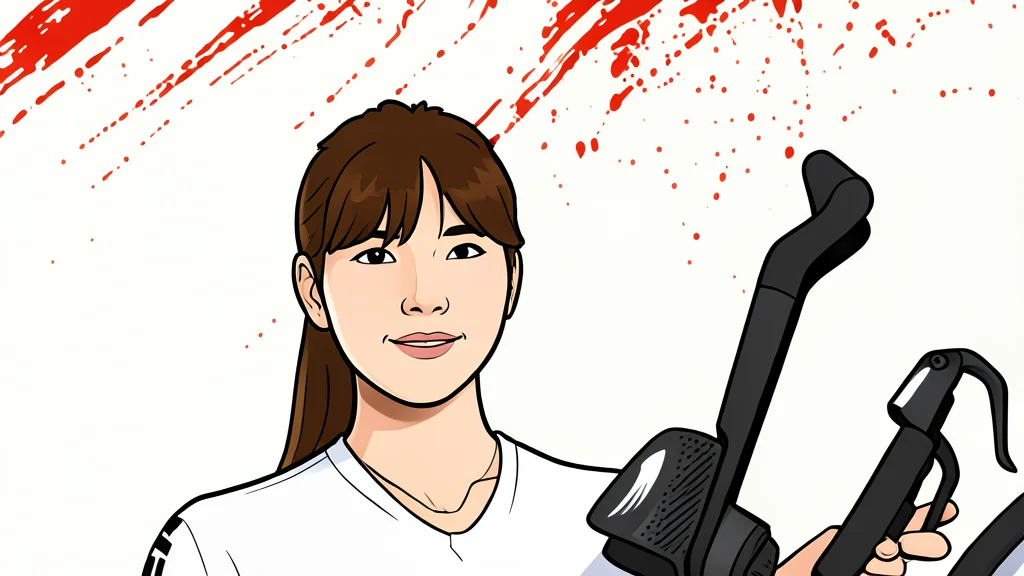
The air in the shooting gallery is still, a held breath before the first crack of the rifle. In this silence, India secures its first confirmed medal of the 2026 Asian Games. Elavenil Valarivan, Sonam Maskar, and Vidarsa K Vinod stand together, the weight of the women’s 10m air rifle team silver resting on their shoulders. It is a quiet start, precise and deliberate, echoing the discipline that has defined the nation’s shooting program for decades. The metal is cold, but the momentum it generates is warm and immediate.
Across the venue, the atmosphere shifts from stillness to chaos. In the MMA cage, Suchika Tariyal moves with fluid aggression, dismantling Mongolia’s Altanchimeg Baigalmaa in the women’s Traditional 60kg quarterfinal. A 2-0 victory ensures India’s first-ever Asian Games medal in the sport. The crowd noise swells, a physical pressure against the eardrums. This is the other face of the Games: loud, kinetic, and visceral. The tally grows not just with gold, but with the sheer breadth of India’s athletic reach.
A broad front of competition
The scope of India’s involvement is vast, stretching from the precision of the range to the speed of the netball court. The Asian Games in Aichi-Nagoya, hosted by GN auto sports/multisport: Asian Games, feature 43 sports and 469 gold-medal events. Around 11,000 athletes from 45 countries flood the venues, creating a dense tapestry of global competition. India’s 30-member shooting squad, led by two-time Olympic medallist Manu Bhaker, remains a central pillar of the medal strategy. Their previous haul of 22 medals in Hangzhou sets a high bar, one that the current contingent is poised to challenge with renewed intensity.
Beyond the individual triumphs, team campaigns are gaining traction. The women’s table tennis squad cleared their first hurdle with a 3-0 sweep of Indonesia in Group F. In teqball, however, the margin for error is razor-thin. Quimcy Dsouza missed the women’s singles bronze by a hair, losing 11-12 in both sets to Japan’s Yuina Sakamoto. The frustration is palpable, a reminder that in these close contests, a single point can dictate the difference between a podium finish and an empty hand.
Defending champions face the test
The spotlight now turns to the cricket stadium, where the air is thick with expectation. Harmanpreet Kaur leads a defending champion India side into the semifinal against Bangladesh. A victory here does not just advance the team; it locks in a silver medal, a tangible guarantee of success in a sport that holds a special place in the national consciousness. The stakes are high, the ball spinning off the pitch with deceptive pace. Every shot is a calculation, every run a step toward securing a place in the history books.
Simultaneously, the hockey pitches are seeing early action. The women’s team tests their form against Uzbekistan, while the men’s squad faces Indonesia. These are not just matches; they are trials by fire, essential for building the rhythm and confidence needed for the later stages. The badminton courts also see movement, with the women’s team taking on Kazakhstan. The men’s team, holders of the Hangzhou silver, will enter the fray on September 21, carrying the weight of recent success and the expectation of redemption.
Building on a historic foundation
The ambition in Nagoya is clear: to build upon the record 107-medal haul of 2022. That previous campaign saw India secure 28 gold, 38 silver, and 41 bronze, a testament to the depth of the nation’s athletic talent. The current Games, running until October 4, offer a fresh canvas for that ambition. Each day brings new opportunities, new challenges, and new moments of triumph or heartbreak. The medal tally is a living document, updated with every score, every win, and every loss. It is a measure not just of success, but of the relentless drive to compete at the highest level of Asian sport.