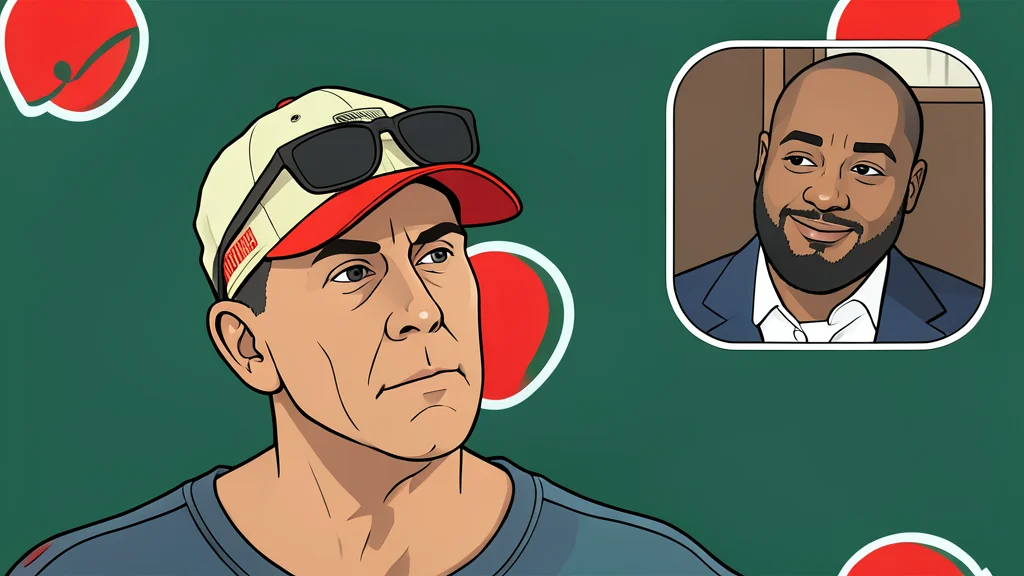
Denver Broncos Face Reality Check After Chiefs Rout
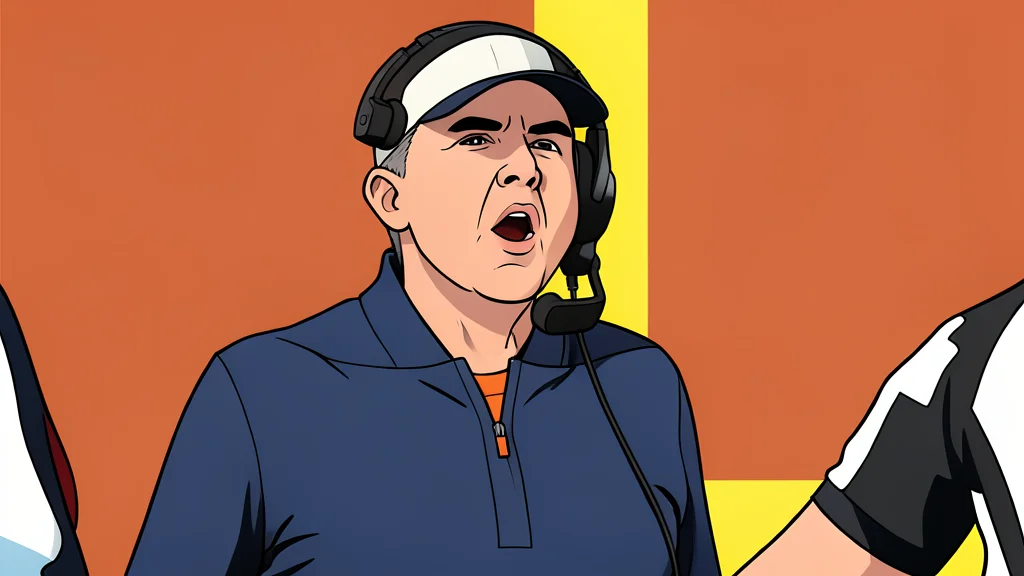
The high hopes for the 2026 season dissolved in a single afternoon as the Broncos suffered a lopsided defeat to Kansas City.
The air in Denver had grown thick with anticipation, a heavy weight pressing against the ribs of every fan who watched the offseason trades unfold. Bo Nix returned to the field, his presence a tangible anchor after the freak injury that had derailed the previous postseason. Jaylen Waddle joined the roster, bringing a speed that promised to shatter defensive schemes. The narrative was written in stone: the Broncos were not just contenders, they were destined for the Super Bowl. The expectations hung in the stadium air, tangible and suffocating, demanding a performance that matched the hype.
Then the whistle blew. The offense stalled, choking on its own momentum. Nix, usually a beacon of fluid motion, looked disjointed, his throws falling short of the targets that should have been there. Waddle, the marquee acquisition, was neutralized, managing only two yards of forward progress. The defense, touted as a fortress, crumbled under the pressure of the Chiefs’ attack. Tackles missed. Pass rushers found no lane. The final score, 31-10, was not just a number; it was a verdict, a stark contrast to the sky-high predictions that had fueled the summer.
Coach admits the effort was lacking
In the post-game press conference, head coach Sean Payton did not offer excuses. He stripped away the diplomatic language often used in these moments and delivered a blunt assessment. He called the loss a "slap in the face," a phrase that landed with the weight of a physical blow. Payton acknowledged that the team did not play up to their standard, a failure that he explicitly attributed to the coaching staff first. It was a moment of raw honesty, devoid of the usual defensive posturing, that resonated far beyond the confines of the locker room.
The disappointment was palpable, not just for the players but for the coaching collective. Payton emphasized that the issue was not the result alone, but the process that led to it. The lack of execution, the missed assignments, the failure to generate pressure despite the Chiefs playing without their starting left tackle, all pointed to a team that had not found its rhythm. It was a wake-up call, loud and unignoring, that shattered the illusion of invincibility built over the summer.
Looking ahead to the Jaguars clash
Now, the focus shifts to Jacksonville. The Jaguars arrive in Week 2 with their own momentum, a team that has already proven it can compete at the highest level. For Denver, this is a critical juncture. If the struggles against Kansas City were a one-time fluke, a rare misstep in an otherwise strong campaign, then the team can move forward. But if the patterns repeat, if the offense remains stagnant and the defense continues to leak, the red flags will fly high.
The narrative is fragile now. The story told by Yahoo Sports and other outlets is no longer one of inevitability, but of uncertainty. The Broncos must find a way to translate their talent into tangible results, to show that their roster depth and coaching scheme can withstand the pressure of a live game. The season is young, but the margin for error has shrunk to a razor’s edge. The next game will define whether this was a stumble or a fall.
The cost of high expectations
High expectations are a double-edged sword. They drive performance, yes, but they also amplify every mistake. The Broncos entered the season with a target on their backs, a target that the Chiefs took full advantage of. The contrast between the pre-season hype and the post-game reality is stark. It is a reminder that in the NFL, talent alone is not enough. Execution, consistency, and resilience are the true currencies of the league.
As the players return to the facility, the work begins. It is not about dwelling on the loss, but about dissecting it, finding the root causes of the failure, and implementing changes. The path back to competitiveness is paved with hard work, not just talent. The Broncos have the pieces, but they must now prove they have the will to put them together in a way that matters.