Gibbs Fined for Helmet Infraction in Lions-Staints Clash
The grass is still damp from the late afternoon sun when the fine list drops, a quiet administrative strike against a running back’s violent momentum.
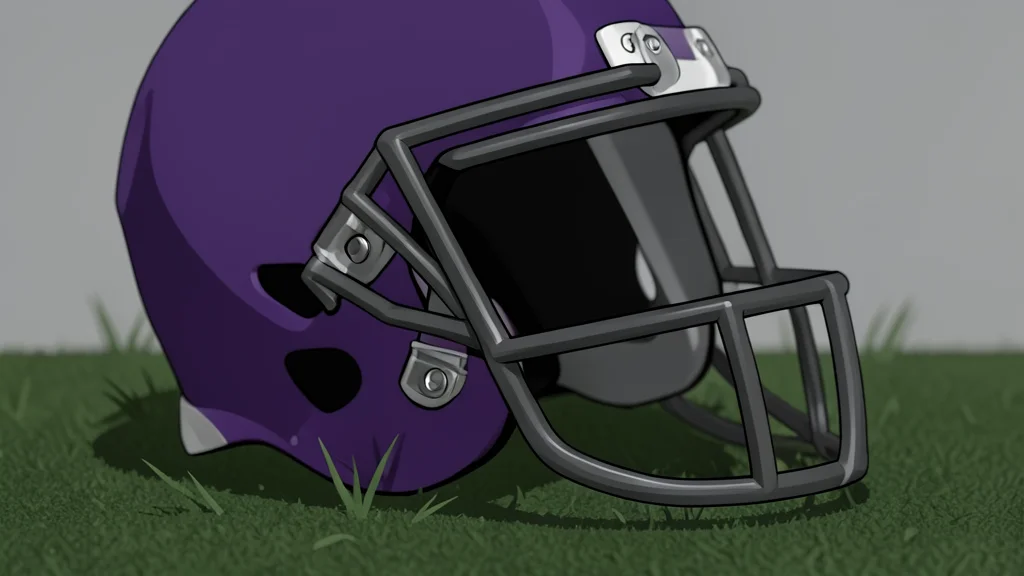
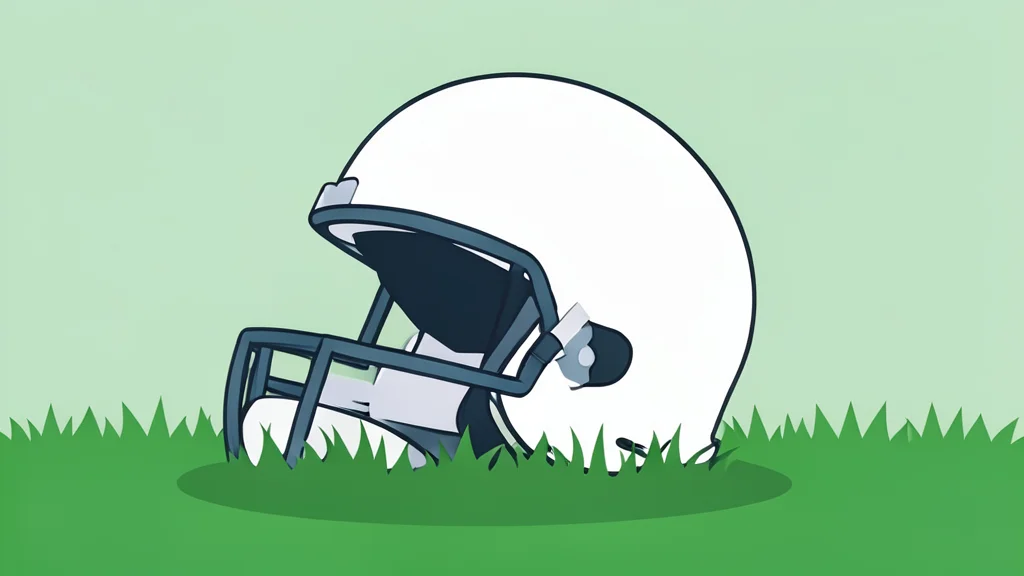
The green turf at Soldier Field still holds the heat of the third-quarter drive, the air thick with the scent of cut grass and sweat. Jahmyr Gibbs takes the snap, his cleats biting into the earth as he seals the edge. He does not stop. He drops his shoulder, the white shell of his helmet dipping low, and drives his head into the chest of Quincy Riley. The impact is a dull, heavy thud, a physical assertion of force that leaves the defender stumbling. Gibbs rumbles through the gap, crossing the plane for a one-yard touchdown. The stadium roars, a wave of sound that swallows the silence of the impending penalty. The Lions take a 13-0 lead, the scoreboard glowing in the twilight. But the play, unflagged by the officials on the field, carries a hidden weight that will settle later, in the quiet hours after the game.
The NFL’s Saturday afternoon release is a ritual of accountability, a list of 20 fines spread across 16 games that serves as the league’s final word on the week’s infractions. Among the entries, one name stands out with a specific dollar amount: $23,027. The charge is not for a missed block or a late hit, but for the specific geometry of Gibbs’ body in that moment of contact. The rulebook is clear, a line drawn in ink over the chaos of the game: a player cannot lower their head to make forcible contact with the helmet. It is a violation of Rule 12, Article 10, a prohibition that transforms a common running back’s maneuver into a punishable offense. The fine is not a suggestion; it is a deduction from the player’s earnings, a financial penalty for the violence embedded in the play.
Rulebook Shifts Helmet Culture
This infraction is not a relic of older, looser interpretations of the game. It is the direct result of a rule change implemented in 2023, a legislative move by the NFL to alter the physical landscape of the sport. Before this amendment, lowering the head to gain leverage was a standard tactic, a way for running backs to drive through defenders and protect the ball. It was a dance of leverage, a physical negotiation of space. The rule change sought to sever that connection, to remove the helmet as a weapon and the head as a point of attack. Jeff Miller, the league’s executive vice president, framed the change as a cultural intervention, a necessary step to protect the long-term health of the players. The goal was not merely to stop a specific type of hit, but to change the instinct, the muscle memory that drove players to use their helmets as battering rams.
The distinction between a flagged penalty and an unflagged fine creates a unique tension in the game. The officials on the field, eyes scanning the chaos of the play, did not throw the flag. They allowed the play to stand, the touchdown to count, the crowd to cheer. But the review process, the administrative eye that looks at the replay in the quiet of the office, saw something different. It saw the lowering of the head, the forcible contact, the violation of the new standard. This separation of the immediate game and the subsequent judgment reflects the league’s dual approach to safety: allowing the game to flow in the moment, but enforcing the rules with financial precision afterward. The fine is a correction, a post-game adjustment that reminds players and teams that certain actions, even if they result in a score, are not permitted.
Financial Weight of Safety
Twenty-three thousand dollars is a significant sum, a tangible cost for a single moment of physical aggression. It is not a trivial amount, a slap on the wrist, but a substantial penalty that reflects the league’s seriousness about the issue. The fine is part of a broader strategy to deter such plays, to make the cost of violating the rule high enough to discourage it. It is a way to enforce the new culture, to ensure that players think twice before lowering their heads into an opponent. The money does not erase the play, the touchdown, the roar of the crowd, but it adds a layer of consequence, a reminder that the rules are not just suggestions but binding contracts.
The NFL’s approach to fines is consistent, a system of accountability that applies to all players, regardless of their team or their performance. The fact that Gibbs is the only player fined in the Lions-Saints game underscores the specificity of the violation. It was not a common occurrence, a routine infraction, but a clear breach of the new standard. The league’s message is clear: the helmet is for protection, not for attack. The fine is a tool to enforce that message, to ensure that the game evolves in a way that prioritizes the health of the players. It is a small but significant step in a larger effort to change the culture of the sport.
Awaiting Thursday Night Verdict
The story does not end with the Saturday release. The NFL’s fine list is a weekly cycle, a recurring event that keeps the players and teams on their toes. The Lions’ game against the Bills on Thursday night is still pending, its fates yet to be determined by the league’s reviewers. If there were infractions in that game, they will be revealed next Saturday, adding another layer of anticipation to the weekly routine. The system is continuous, a constant monitoring of the game’s physicality, ensuring that the rules are enforced consistently and fairly. The fine on Gibbs is just one part of this larger process, a single data point in a complex system of accountability.
As the season progresses, the impact of the 2023 rule change will continue to be felt, shaping the way players approach the game. The fine is a reminder of the league’s commitment to player safety, a tangible consequence for violating the new standard. It is a small but significant part of the larger story of the NFL’s evolution, a story that is still being written, one play, one fine, one decision at a time. The grass at Soldier Field will dry, the stadium will empty, but the impact of the fine will remain, a lasting mark on the game and on the players who play it. The story is not over; it is just beginning.