Mandating Early Arrival for NFL’s International Games
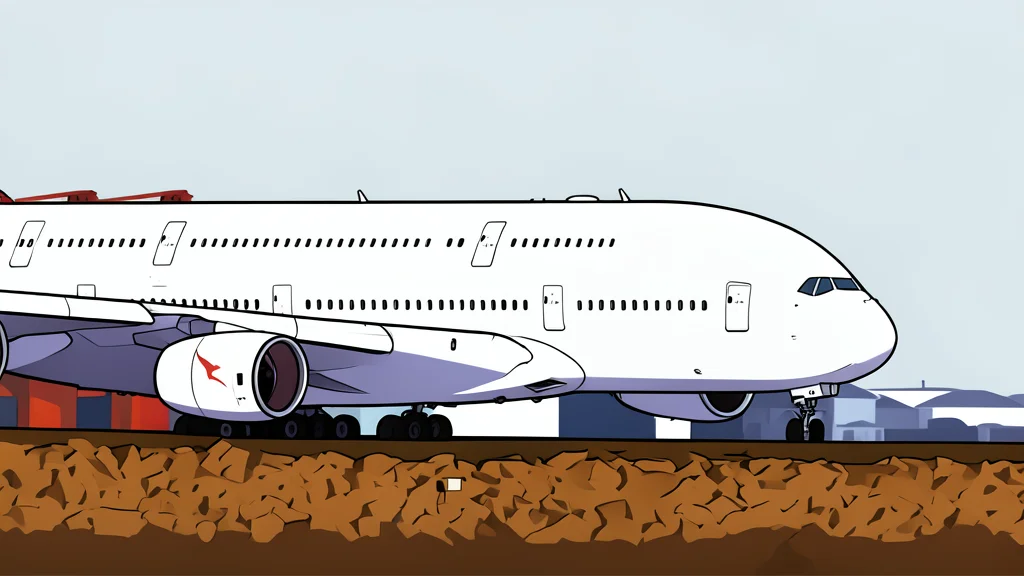
The Rams’ chaotic Melbourne exit sparked a debate: should the league dictate travel timelines for overseas games to ensure fairness and local engagement?
The tarmac in Melbourne was quiet after the dust settled, a stark contrast to the internal chaos that had defined the Rams’ departure. The plane sat still, a metallic wedge against the Australian sky, carrying the weight of a logistical failure that echoed far beyond the stadium lights. It was not just a bad flight; it was a misfire in the league’s broader strategy to export its product to distant shores. The silence of the empty gate spoke louder than the crowd noise that had faded hours earlier.
As the controversy over the Rams’ barnstorming decision rippled through sports media, a more structural question emerged. The current model leaves critical variables in the hands of individual franchises, creating an uneven playing field that has nothing to do with football. The league’s ambition to plant roots in foreign markets is undermined when the foundational logistics remain chaotic and inconsistent. This is not merely a travel issue; it is a fundamental flaw in the architecture of international competition.
Standardizing The Itinerary
Michael Holley proposed a straightforward solution on PFT Live: treat the Week 1 international contest with the same rigidity as the Super Bowl. The league should mandate early arrival, stripping teams of the ability to choose their own timing. This shift would transform travel from a competitive variable into a mandatory obligation. By removing the choice, the NFL removes the excuse. The focus shifts from which team travels smarter to ensuring every team arrives ready.
This approach aligns the logistical effort with the promotional goal. Exporting the game requires a comprehensive presence, not just a single evening of football. Early arrival allows for local appearances, multiple press conferences, and genuine acclimatization to the time zone. It turns a brief visit into a sustained engagement. The league’s investment in foreign audiences demands a level of preparation that mirrors the commitment made to domestic stadiums.
The 49ers’ Early Arrival
The contrast with the San Francisco 49ers was stark. Their decision to arrive a week early provided a clear advantage in readiness. While the Rams struggled with the sudden shift in time zones and jet lag, the 49ers had the luxury of adaptation. Their bodies adjusted to the rhythm of the day, their minds settled into the local environment. This preparation was not accidental; it was a deliberate strategic choice that highlighted the disparity created by voluntary travel policies.
When both teams arrive on the same day, the potential for uneven acclimatization vanishes. One team cannot gain an unfair edge by resting longer while the other is still fighting the effects of trans-oceanic travel. The 49ers’ experience demonstrated that early arrival is not just about comfort; it is about competitive fairness. The NFL’s mandate would ensure that this fairness is guaranteed, not left to the discretion of front offices navigating complex international logistics.
Removing The Variable
The Rams’ ordeal may eventually serve as a cautionary tale, prompting franchises to self-regulate their travel plans. However, relying on past mistakes to drive future policy is a fragile foundation. The NFL is already imposing a significant burden on teams by requiring them to play on the opposite side of the world. Adding the requirement for an early itinerary is a minor additional constraint. It is a small imposition that yields a large return in consistency and quality.
As reported by Yahoo Sports, the core issue is not the distance, but the unpredictability. By mandating the timeline, the league takes control of the narrative. It ensures that the game is played under controlled conditions, where the only variable is the performance on the field. The tarmac in Melbourne will remain quiet, but the standards for how teams arrive there must be loud and clear. The era of leaving logistics to chance must end.