NFL+ Blackout Stalls Week 1 Opening Slate
A tangled ball of black ethernet cables and a disconnected white router sit on a wooden desk, representing the digital silence that greeted millions of fans during the league's opening Sunday.
The silence was heavy at 1:19 p.m. ET, a stark contrast to the roar of crowds expected across the country. For nearly an hour, the digital tether to the field snapped, leaving millions of screens dark and static. The NFL+ service, the league's primary gateway to live action, crumbled under the weight of its own popularity. Subscribers found themselves staring at error messages instead of the gridiron, the connection severed just as the opening slate began to unfold.
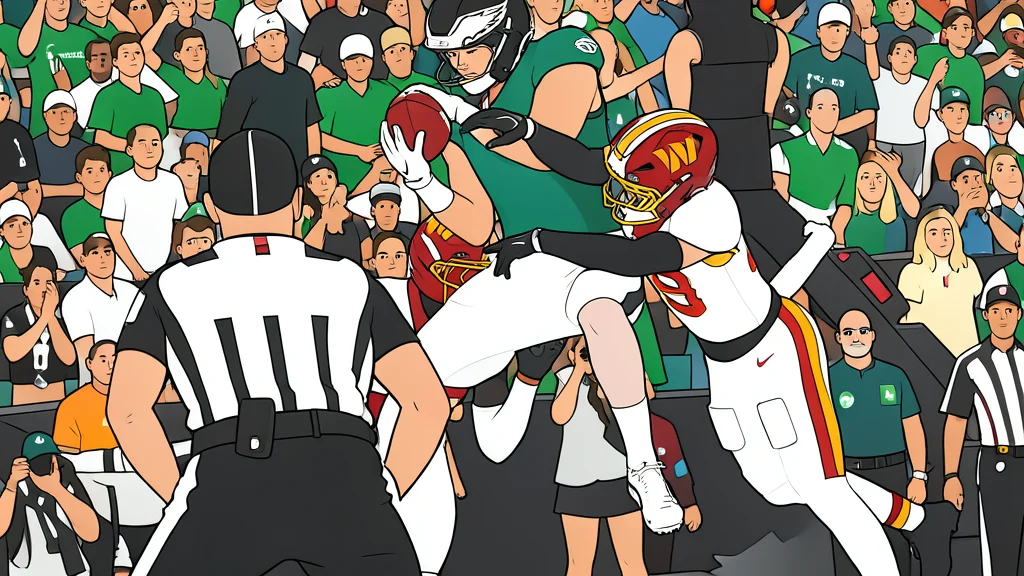
In Detroit, the noise of an overturned fumble return was replaced by the hum of frustrated processors. In Cleveland, Deshaun Watson’s interception played out for those with a signal, but for many, the moment was lost to a buffering wheel. Josh Allen’s first touchdown of the year remained a ghost to those locked out. The outage struck at the precise moment eight of Sunday’s thirteen games kicked off, creating a vacuum of action that stretched across the early afternoon.
Subscribers Faced Digital Dead Air
The breakdown was not isolated to a single platform. Fans reported identical failures on the standalone NFL app and through NFL Sunday Ticket on YouTube TV. The simultaneous collapse across multiple interfaces suggested a fundamental infrastructure failure rather than a localized glitch. Users on social platforms voiced their disbelief, describing the experience as a mortifying way to inaugurate the 2026 season. The expectation of seamless, on-demand access clashed violently with the reality of a disconnected stream.
One subscriber’s reaction captured the prevailing sentiment, dismissing the league’s call to file support tickets as a hollow gesture. The demand for accountability was immediate and loud. Critics pointed to the league’s massive annual revenue, arguing that a multi-billion-dollar entity should be immune to such a basic technical failure. The tone was not merely disappointed but accusatory, with many calling the situation pathetic and a joke at the expense of loyal fans.
A Pattern of Opening Day Failures
This was not the first time a major U.S. sports league stumbled on its opening weekend. MLB.TV suffered a similar crash during its 2025 Opening Day, a precedent that cast a long shadow over the NFL’s current predicament. The league had not experienced a comparable meltdown since 2022, when DirecTV’s Sunday Ticket buckled under the same surge of Week 1 demand. History offers a roadmap for how these situations are often resolved, but also highlights the recurring nature of the problem.
In 2022, DirecTV admitted it had missed an opportunity to deliver, followed by an automatic reimbursement for subscribers after a second round of outages. The NFL, however, has remained silent on the matter of refunds as of Sunday evening. Despite a swelling chorus of voices demanding compensation, no official statement confirming credits or refunds has been issued. The disconnect between the league’s public response and the private frustration of its customer base remains wide.
League Acknowledges Service Disruption
The NFL+ account on X acknowledged the issue at 1:19 p.m. ET, stating that the league was aware of the problems and working on a fix. The message directed affected users to submit tickets to customer support, a standard procedural response that did little to alleviate the immediate frustration. At 2:14 p.m., the same account confirmed the problem was resolved, again pointing to support channels for any lingering issues. The window of darkness lasted for most of an hour, a significant chunk of the early afternoon games.
According to Yahoo Sports, the incident highlighted the fragility of the digital sports ecosystem. As the league continues to expand its streaming offerings, the pressure on its infrastructure grows exponentially. The expectation is no longer just for access, but for reliability on the days that matter most. The silence that followed the outage was louder than the game, a reminder that in the modern era, the connection is as critical as the content.