NFL Economy Hits $23 Billion with Record Franchise Values
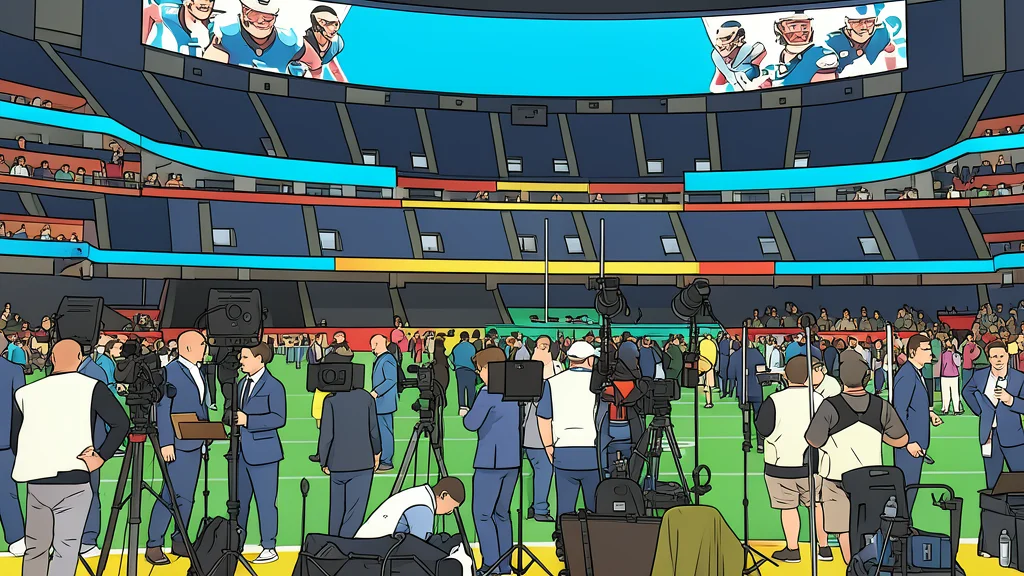
The 2026 NFL season opens with a $23 billion revenue engine, led by a $7.1 billion average franchise value and a record salary cap.
Key points
- The NFL generated over $23 billion in revenue in fiscal year 2025-26, surpassing the GDP of 80+ countries.
- Average franchise value reached $7.1 billion in 2026, with the Dallas Cowboys leading at $15.5 billion.
- The 2026 salary cap is set at a record $301.2 million per team, driving $12.1 billion in total player compensation.
The green turf stretches under a clear sky, the white yard lines crisp against the grass. It is a stage built for spectacle, but the machinery behind the scenes is even louder. The National Football League is no longer just a sport; it is a multibillion-dollar ecosystem that pulses through media rights, stadium investment, and global markets. As the 2026 season approaches, the financial weight of the league presses down on every inch of the game.
According to The Grand Junction Daily Sentinel, the NFL generated more than $23 billion in revenue in the fiscal year ending March 2026. That figure surpasses the annual GDP of over 80 countries. The average franchise value has climbed to $7.1 billion, a 31% jump year over year. The Dallas Cowboys lead the pack at $15.5 billion, making them the most valuable sports franchise in the world.
Financial Floor Across Thirty-Two Teams
The league’s structure creates a financial floor that few rivals can match. Each of the 32 franchises receives a national revenue share of more than $450 million for the 2025 season. This shared model means that every team benefits from the same national media and licensing deals. It is a structural advantage that stabilizes the entire ecosystem, regardless of local market size.
The Los Angeles Rams sit at $12.7 billion, followed closely by the New York Giants at $12 billion. These valuations reflect a broader trend where sports assets are treated as prime financial vehicles. The league’s reach extends beyond the field, touching advertising, merchandise, and a booming sports betting market. The economic footprint is expanding, not shrinking.
Record Cap Shapes Player Compensation
The 2026 salary cap is set at $301.2 million per team, the highest in NFL history. This figure dictates how 32 organizations allocate hundreds of millions across rosters of 53 players. Total player compensation across the league reaches approximately $12.1 billion. The minimum salary for a player is roughly $870,000, a stark contrast to the millions flowing to star athletes.
Player benefits and performance pay add another $77.6 million per team. The cap is a rigid ceiling, but it also serves as a floor for competitive balance. Teams must navigate this financial landscape with precision, knowing that every dollar spent on one player affects the entire roster. The stakes are high, and the margins are thin.
Media Rights Drive the Engine
Broadcast deals remain the league’s biggest financial engine, with domestic media rights valued at $110 billion. The growth of prediction markets adds another layer to the NFL’s commercial appeal. NFL contracts are becoming a major part of the expanding prediction-market sector. This intersection of sport and finance creates new opportunities for investors and fans alike.
The season kicks off on September 9, 2026, with Seattle facing New England. The game will be played on the field, but the battle for attention and revenue is fought in boardrooms and trading platforms. The NFL is a lens into how sport, business, and financial markets increasingly intersect. The money is real, and the stakes are higher than ever.