Rodgers Finds Range as Watt Dominates Steelers' Week 1
T.J. Watt storms the field while Aaron Rodgers stretches the ball downfield in Pittsburgh's opening win.
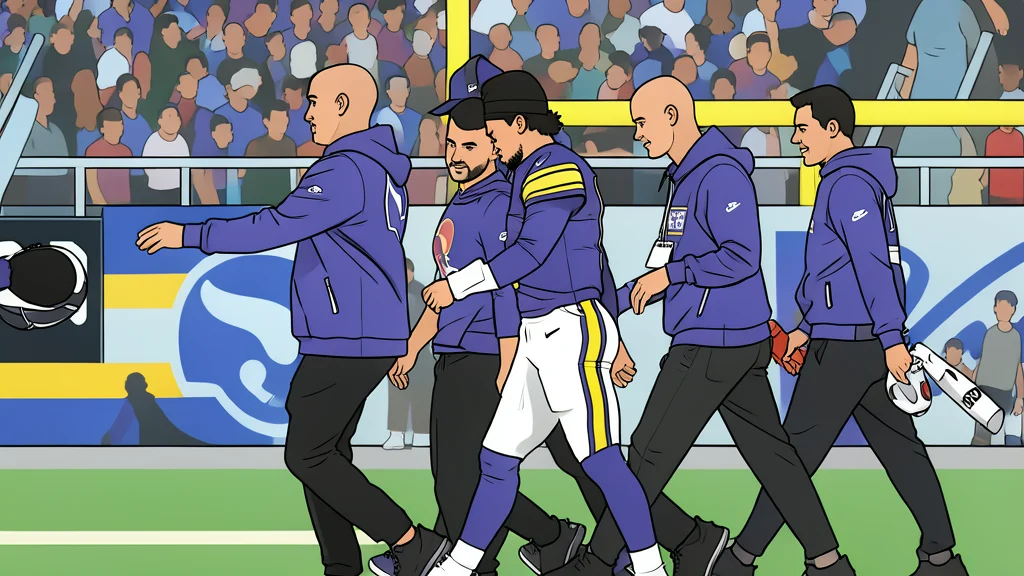
The grass at Acrisure Stadium still holds the moisture of a late September afternoon when T.J. Watt bursts through the line. He does not merely stop the offense; he dismantles it. Two sacks, four pressures, and a fourth-quarter interception that sails through the air before he tucks it and sprints toward the end zone. The crowd noise swells into a roar that shakes the stadium seats. It is a physical declaration of intent, a stark contrast to the muted, methodical rhythm that defined his previous season. The ball is in his hands, the game is decided, and the energy in the air feels electric, sharp, and immediate.
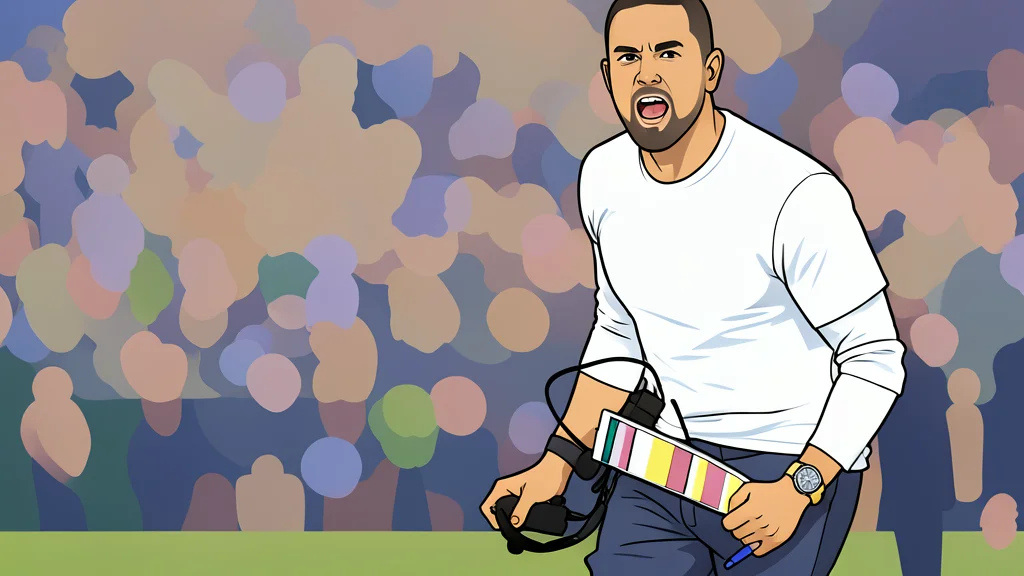
Behind him, the quarterback stands in the pocket, eyes scanning the depth of the field. Aaron Rodgers holds the ball for 2.84 seconds, a deliberate pause that allows the secondary to settle before he releases. The target is deep. The pass is on time. It is a far cry from the hurried, low-average throws of the previous year. The Steelers’ offense is stretching the vertical axis, finding a new tempo that feels less like a clock management exercise and more like a hunt. The rhythm is different. The results are visible.
Rodgers Stretches the Field Vertically
The numbers tell a story of patience. An average depth of target of 10.1 yards jumps off the page, a significant leap from the 6.6-yard average that defined his time under Arthur Smith. That previous figure was a career low, a testament to a system that prioritized quickness over range. Now, with Mike McCarthy guiding the offense, the tempo has shifted. The average time to throw has settled at 2.84 seconds, a slight increase from the 2.60-second average of the prior season, but the destination of those passes has changed entirely.
Rodgers is not the same physical specimen he was during his MVP campaigns in Green Bay. The pocket mobility, that fluid dance of evading pressure, is diminished. Yet, the eye is still sharp. The anticipation is intact. He is finding the window in the coverage, the split-second gap that allows the ball to travel further than the defense expects. It is a different kind of dominance, one rooted in cognitive processing rather than pure athletic escape. The Steelers’ receivers, including DK Metcalf and Roman Wilson, are tasked with meeting the ball in that new space. The connection is forming, even if the chemistry is not yet seamless.
Watt Returns to Dominant Form
T.J. Watt is everywhere on the field. The departure from last season, when he managed just seven sacks and 49 pressures, is jarring. This is the Watt of his prime, the player who disrupts the rhythm of opposing offenses before they can establish a foothold. His four stops, a metric that measures plays where the offense fails to gain the necessary yards, helped corral Atlanta’s Bijan Robinson to 83 yards on 21 carries. The running back struggled to find the gap, the lane, the space. Watt was in the way.
The game-winning interception return was the exclamation point, but the groundwork was laid earlier. The two sacks, the pressure that forced Cooper Rush into hurried throws, the relentless pursuit that kept the Falcons’ offense off-balance. It is a performance that speaks to a player who has found his rhythm again. With Micah Parsons and Myles Garrett injured, the door is open for Watt to reclaim his place at the top of the defensive hierarchy. The physicality is back. The impact is undeniable. The narrative is rewriting itself in real-time.
Offensive Line Struggles Persist
Not everything is polished. Troy Fautanu, back on the left tackle position, allowed three pressures on Rodgers, including two hurries and a hit. His run blocking score of 37.4 is the lowest among the Steelers’ regulars, a glaring inefficiency in a team that averaged just 2.8 yards per carry. The growing pains of a new position are visible, a lack of instinct in the blindside protection that has been his home for so long. The contrast with his previous role is stark, and the results reflect that transition.
The secondary, however, held firm. Without Joey Porter Jr., the new acquisitions stepped up. They were challenged only three times by Cooper Rush, allowing just two receptions for 27 yards. The third pass was picked off, setting the stage for the winning drive. Drake London, the Falcons’ star receiver, was held to two catches for 29 yards. The defense is a mix of elite performance and emerging talent, a structure that is solidifying under the pressure of the season opener. The foundation is there. The next step is consistency.