Rookie Safety Michael Taaffe Owns Mistake After Big Play

In the glow of Las Vegas stadium lights, a rookie safety stares not at his highlight, but at the shadow of the play he missed.
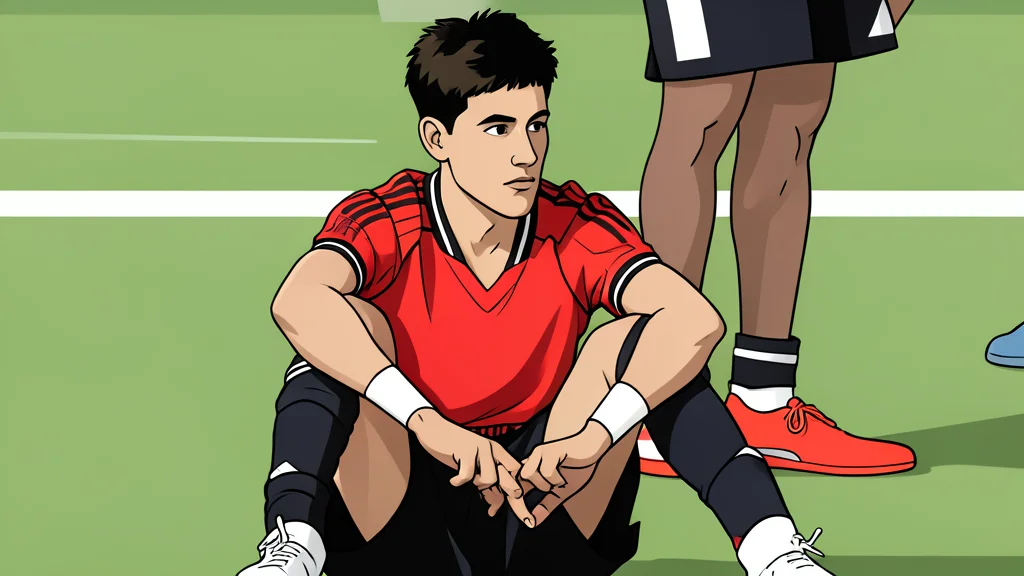
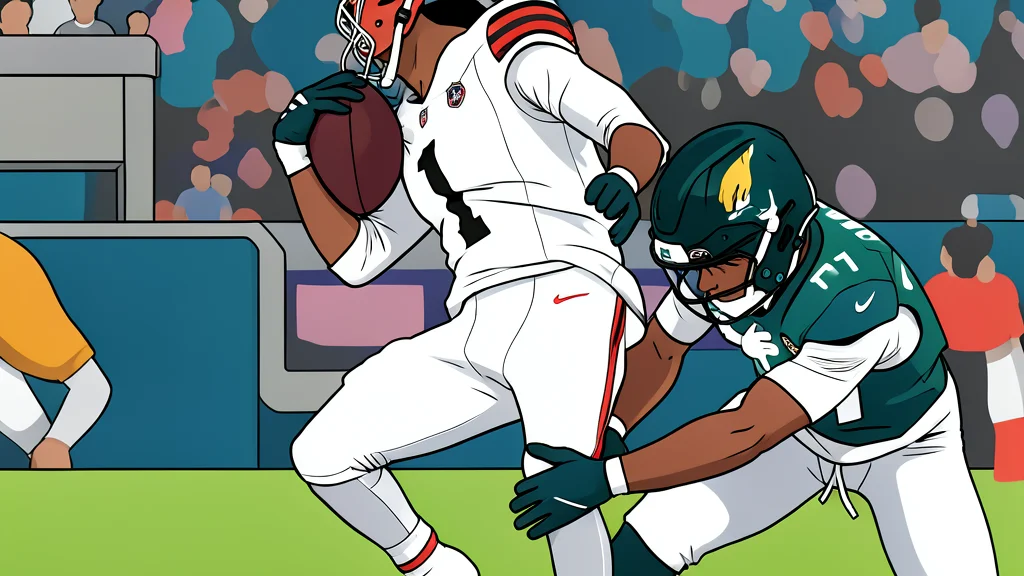
The air in Napa hangs thick with the scent of dry earth and pine, a stark contrast to the electric hum of Allegiant Stadium two days prior. There, under the blinding white glare of the floodlights, Miami Dolphins rookie safety Michael Taaffe stood in the green expanse of the field, his mind racing not toward the interception that etched his name into the first-half stats, but toward the silence of the zone he abandoned. The ball had left Kirk Cousins’ hand, a dart aimed at Ashton Jeanty, and for a heartbeat, the geometry of the defense collapsed. Taaffe had bit on the crossing route of tight end Michael Mayer, leaving the center of the field unoccupied. That split-second lapse allowed Jeanty to convert an angle route into a thirteen-yard touchdown, leaving nickel cornerback Chris Johnson isolated and exposed. The 27-13 loss settled over the team like a heavy blanket, but for Taaffe, the weight was personal, a specific gravity anchored to the moment he failed to be where he needed to be.
When reporters in Las Vegas pressed him on the pick, the highlight that should have defined his debut, Taaffe’s gaze drifted back to the error. He spoke of Johnson, the rookie cornerback who had been picked on by Cousins all game, acknowledging the toughest job on the defense. "I got to be there for Chris," Taaffe said, his voice steady but laced with the intensity of a young player processing a harsh lesson. He tapped his chest when the score was set, a silent gesture of ownership that echoed louder than any apology. It was a scene captured by Yahoo Sports and felt by the locker room: a rookie taking the heat off his teammate, choosing the burden of responsibility over the comfort of a statistical highlight.
Redemption in the Second Half
The game did not end in that shadow. As the Dolphins trailed, the rhythm of the contest shifted. Two plays after the Raiders’ first score, the ball snapped again. Cousins threw, perhaps overconfident in his ability to find an opening, but the trajectory was off. Taaffe was there, his hands closing around the leather just as the second half began. It was a redemption arc written in a single breath, a spark that ignited Miami’s only touchdown and kept them alive in the contest. "We didn’t blink an eye," Taaffe recalled, describing the defensive series that followed. The interception was not a moment of ego, but of execution. He credited the defensive line for the pressure that forced the overthrow, describing his role as simply doing his "one-eleventh," the part of the pie that belonged to him. The play provided a lifeline, a brief window where the Dolphins believed they could turn the tide, even if the rally ultimately fell short.
Coaching Trust in Young Players
Head coach Jeff Hafley viewed the performance through a lens of development rather than judgment. Reviewing the film in Napa, he emphasized that Johnson was playing the leverage he was supposed to play, but the help he expected never arrived. The sideline players, including Taaffe, immediately took ownership, a culture of accountability that Hafley values. He sees his top three safeties—Taaffe, Zayne Anderson, and Dante Trader Jr.—as starters, a vote of confidence in their potential despite the growing pains. Anderson, for instance, missed a critical help coverage on the first touchdown, yet the collective response was not blame, but correction. This environment, Hafley suggests, is where rookies like Taaffe learn that the job is not about individual glory, but about the collective geometry of the defense holding together under pressure.
Mentality of the Next Play
Taaffe’s mindset in those final minutes of the first half reveals the core of his character. He did not dwell on the mistake, nor did he bask in the subsequent pick. Instead, he and Johnson operated on a singular mantra: next play, next play. This mentality transformed a potential collapse into a competitive second half. It is a lesson that transcends the field, a reminder that adversity is not a full stop, but a comma. As the Dolphins prepare to face the San Francisco 49ers, Taaffe carries the weight of that Las Vegas night not as a burden, but as a foundation. The interception was the proof he belonged; the mistake was the lesson on how to stay. In the quiet of the Napa practice facility, the focus is already on the next snap, the next coverage, the next opportunity to be exactly where the play demands.