JJ Gabriel's Lost Debut at Manchester United
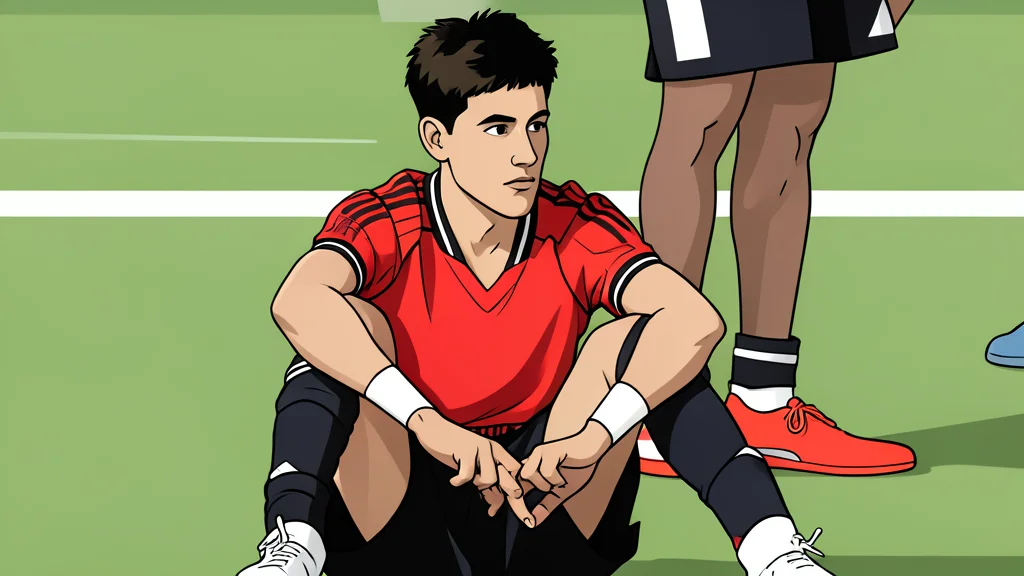
A 15-year-old stood ready for history, but administrative red tape and tactical choices kept him on the bench.
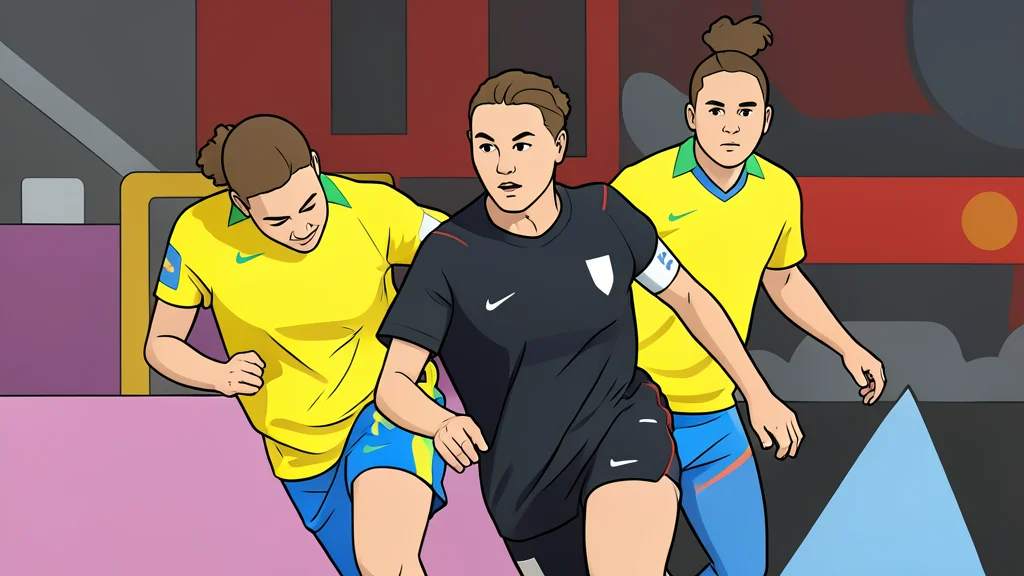
The green pitch in Helsinki felt endless under the August sun, the air thick with the humidity of a pre-season tour. JJ Gabriel, fresh from the academy, took his first touch in a senior match, his legs pumping with the urgency of a boy who had waited years for this moment. He burst forward, eyes locked on the goal, a trademark run unfolding with raw, unpolished energy. Then, a shadow fell over him. Jose Maria Gimenez, the Uruguayan captain, arrived from behind with a challenge that carried the weight of a seasoned professional. The impact was violent, a physical collision that sent the teenager sprawling into the dirt, a stark reminder of the gap between youth and the ironclad reality of the senior game.
That single moment of contact encapsulated the friction surrounding Gabriel’s journey to the first team. He had arrived at Old Trafford drawn by the promise of a clear pathway, a roadmap from the junior squads to the senior pitch. Coaches like Darren Fletcher had seen his potential, even shifting him from the wide areas to central roles to unlock his natural ability. Yet, as the season progressed, the doors of opportunity seemed to close one by one. A defeat in the FA Cup against Brighton last January erased a potential debut, and the subsequent pre-season tour offered only fleeting glimpses of action. He was present, visible, yet perpetually on the periphery, a regular at training but an occasional, brief visitor to the matchday squad.
Bureaucratic barriers blocked the path
The most significant hurdle, however, was not tactical but administrative. When Manchester United faced Sabah FK in the Champions League, a game that many viewed as a manageable contest, the stage was set for a historic debut. Gabriel was poised to become the club’s youngest ever player, a record that had stood since 1956. But UEFA’s registration rules acted as an invisible wall. At fifteen years old, Gabriel could only play if he was named on the primary A-list of players. United submitted a full 25-man squad, but Gabriel’s name was absent. Instead, the spot was taken by Manuel Ugarte, a midfielder sidelined by a knee injury who would not return to the pitch until January. The oversight, whether deliberate or accidental, locked Gabriel out of a match that offered the clearest route to the history books.
The decision raised questions about the club’s strategy and its assessment of the teenager’s readiness. With Tynan Thompson, another young attacker, granted a 45-minute debut against Leeds shortly after arriving from Tottenham, the contrast was sharp. Thompson’s inclusion suggested a willingness to give the younger generation a chance, even if only for half an hour. For Gabriel, the exclusion from the Champions League roster meant that the momentum building toward a debut in the EFL Cup was derailed. Sources close to the club insisted that a Brighton match was the next intended opportunity, a rematch that promised a final chance to break through. But with the administrative window closed and the tactical landscape shifting, that chance slipped away, leaving a young player with his talent intact but his timeline disrupted.
Academy rivals found more playtime
The disparity in minutes played during the pre-season tour fueled a quiet sense of discontent among those watching Gabriel’s progress. While he was part of four out of five squads, his actual time on the pitch remained minimal. The eight minutes against Atletico Madrid were a brief interlude, a moment of action sandwiched between long stretches of observation. His long-standing academy teammates, many of whom had been with him through the formative years of youth football, received more exposure. This created a tangible imbalance, a feeling that the pathway outlined at the start of his time at Old Trafford was not being honored as promised. The promise of senior training sessions under managers like Ruben Amorim and later Michael Carrick had been the lure, but the translation into match action was slower than anticipated.
Physicality remains a major hurdle
Beyond the paperwork and the tactical decisions, there is the undeniable reality of physical development. The collision with Gimenez was not an isolated incident but a symptom of a broader challenge. Gabriel’s natural ability and speed are evident, but the physicality of the senior game requires a different kind of strength. Coaches and staff at United have expressed reservations about his current physical robustness, a concern that has likely influenced decisions regarding his inclusion in high-stakes matches. The force of professional challenges, the speed of transitions, and the intensity of competition require a body that is not just quick, but resilient. For a 15-year-old, this is a steep learning curve, one that demands patience and time. The loss of the Sabah FK debut was a blow, but it also highlighted the complex interplay between administrative rules, tactical choices, and physical readiness that defines the journey from academy to first team.
As the season moves forward, the question remains: how did it come to this? The answer lies in a confluence of factors, from the specific rules of UEFA to the subjective assessments of coaches. Manchester United, as reported by Yahoo Sports, found themselves in a position where a historic opportunity was missed due to a combination of oversight and caution. For JJ Gabriel, the dream of becoming the club’s youngest player is not dead, but it is deferred. The path to the first team is still there, but it is narrower, more winding, and fraught with obstacles that a 15-year-old must navigate with both skill and resilience. The next chance will come, but until then, the grass under his cleats remains a distant promise, a goal that is visible but not yet within reach.