Simmons Questions ESPN's Selective NFL Coverage

A former Broncos safety and a Steelers quarterback are challenging the network's editorial balance, asking why one NFL scandal dominates airtime while another fades into silence.
The studio lights hum with a sterile, electric buzz, casting long shadows across the polished desk. Microphones stand like sentinels, their foam windscreens absorbing the low-frequency hum of the broadcast rig. In the quiet eye of the storm, the silence on the airwaves speaks louder than any shout. It is a vacuum where a major controversy should be raging, yet the only sound is the subtle tick of cooling servers and the distant echo of a network that has chosen its battles with surgical precision. The air feels thick with unspoken questions, hanging in the recycled atmosphere of the newsroom.
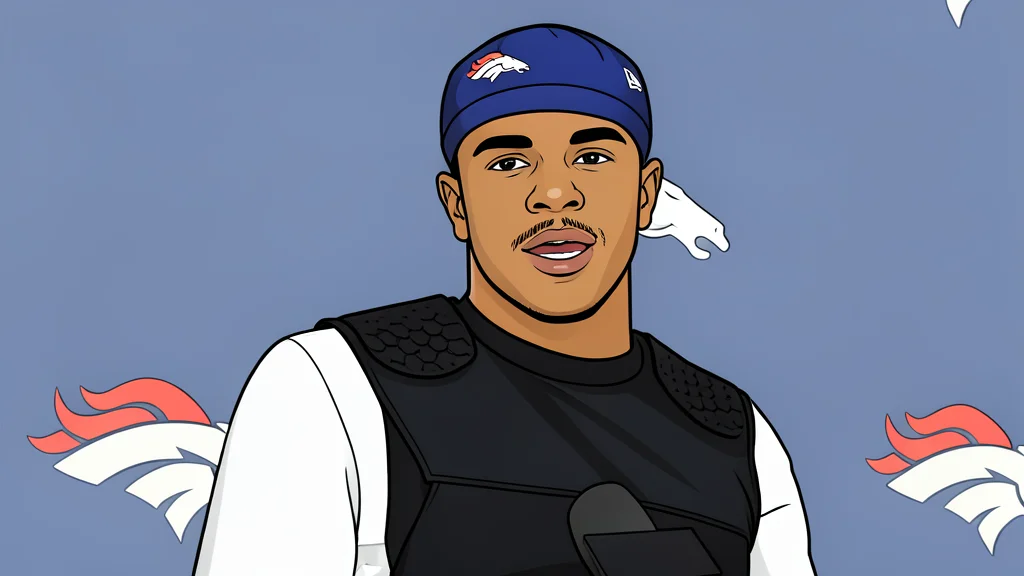
Justin Simmons, former Denver Broncos safety, broke that silence not with a roar, but with a precise, cutting observation posted to X. He watched the network dissect the domestic violence arrest of linebacker Jonathon Cooper during Monday Night Football, the cameras locked in, the panelists leaning in with grave seriousness. Then he turned his gaze to the other side of the league, where a different kind of scandal had been quietly shelved. The contrast was stark, a visual dissonance that felt less like journalism and more like curation. Simmons saw a double standard, a chasm in the editorial policy that left him stunned by the asymmetry of the narrative.
Inconsistency in Editorial Standards
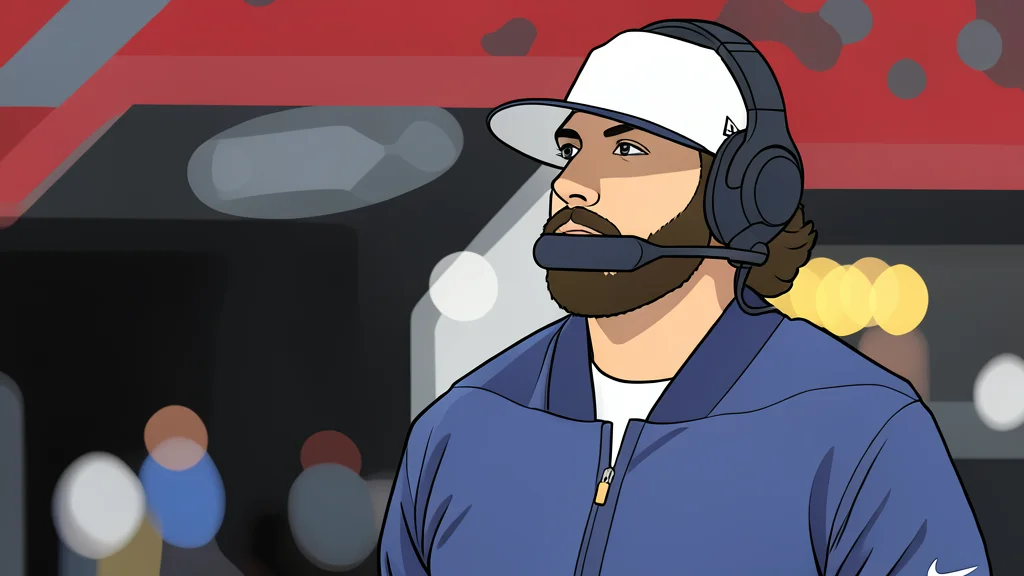
The core of the dispute centers on the relationship between New England Patriots head coach Mike Vrabel and former NFL insider Dianna Russini. An internal review by The Athletic spanned five months, combing through 903 articles, 77 videos, and 204 podcast episodes to uncover a violation of newsroom standards. The finding was not that the relationship dictated the reporting, but that its existence was not disclosed, a breach of trust that should have triggered a public reckoning. Yet, on the mainstage of national sports television, the story remains conspicuously absent, a ghost in the machine of daily programming. The network’s silence creates a strange dichotomy where a coach’s legal troubles are fodder for debate, while a reporter’s ethical lapse is treated with a whisper.
Simmons captured this frustration in a single, hard-hitting sentence that has since echoed through the sports world. He asked, directly and without apology, why the network could broadcast the Cooper incident while ignoring the Vrabel situation. The question cuts to the heart of media power, suggesting that the network is not merely reporting on the NFL, but curating it, deciding which stories are worthy of the public eye and which are better left in the dark. This is not just about one player or one coach; it is about the integrity of the platform itself, the idea that all stories, regardless of the subject, should be held to the same bright light of scrutiny.
Rodgers Accuses Network of Hypocrisy
Aaron Rodgers, the Pittsburgh Steelers quarterback, amplified the critique with a ferocity that left little room for interpretation. He did not mince words, accusing the network of being a "gutless organization" for its selective outrage. Rodgers pointed to the high-profile legal case of San Francisco 49ers owner Jed York, a story that dominated the front pages and prime-time slots. In his view, the network’s energy was spent on a single owner’s arrest, while a more systemic issue involving the integrity of the league’s voting process was ignored. The comparison was jarring, a side-by-side look at two different types of controversy that yielded vastly different levels of attention.
Rodgers argued that his willingness to speak openly had created discomfort, suggesting that the network fears the implications of a reporter’s intimate relationship with a coach who holds votes for MVP and Coach of the Year. He felt that the network was protecting its own image by avoiding a story that could tarnish its reputation for impartiality. By crediting Pat McAfee’s show for giving him a platform, Rodgers highlighted a growing trend where traditional networks are perceived as too cautious, too afraid to engage with stories that might reflect poorly on their own industry. The result is a media landscape where the loudest voices are not always the most important, and the most important stories are not always the loudest.
The Aftermath of the Review
The Athletic’s findings have kept the debate alive, forcing a broader conversation about media ethics in an age of instant communication. While Vrabel has stated that he and his team have "moved on," the ripples of the controversy continue to spread. The network’s silence, as reported by Yahoo Sports, is no longer just an editorial choice; it has become a symbol of a larger issue within the sports media ecosystem. The question is no longer just about one story, but about the principles that guide the entire industry. As the lights in the studio dim and the mics are powered down, the echoes of Simmons and Rodgers remain, a testament to the power of a single, well-asked question.