Static on the Air: McAfee's Debut Sparks Fan Pushback

The broadcast room hummed with the low, electric buzz of a live feed, a digital landscape where faces flicker into focus and fade back into the gray noise of the screen.
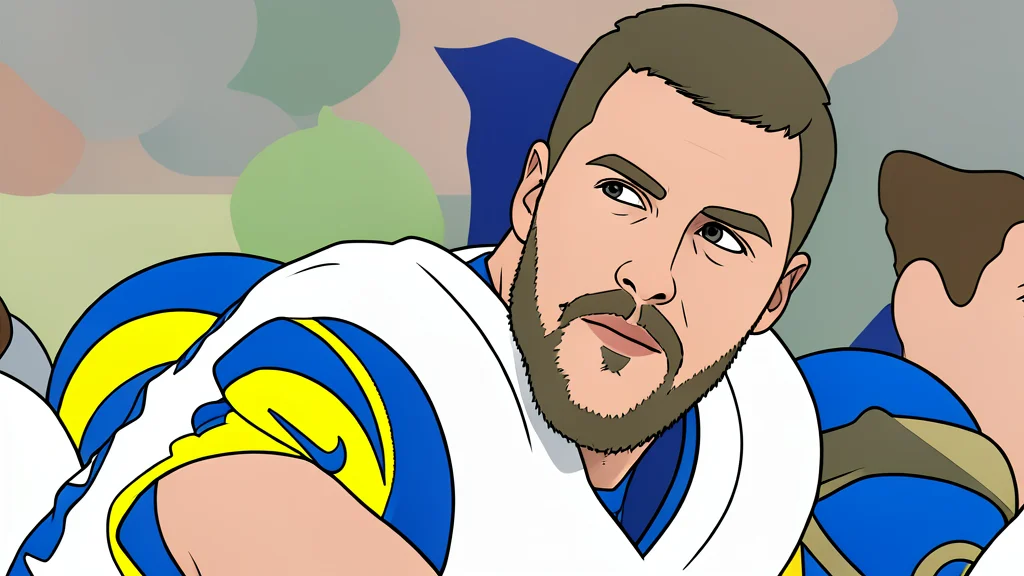
The studio lights cut through the haze, illuminating a panel of analysts who settled into their chairs with the practiced ease of long-time colleagues. Pat McAfee sat among them, his posture relaxed, ready to join Jason Kelce and Marcus Spears in dissecting the upcoming clash between the Kansas City Chiefs and the Denver Broncos. It was a standard setup, a familiar constellation of voices that fans had come to expect before Monday night’s kickoff. Yet, as the cameras locked on, the air shifted. The debut felt less like a fresh start and more like the addition of another heavy stone to a pile that some viewers felt was already crushing the entertainment value of the broadcast.
There were no gaffes, no stumbles, no dramatic on-air errors to point to. McAfee’s contribution was measured, discussing Patrick Mahomes’ return from injury with a tone that was professional yet distinct. He noted that the prospect of Mahomes being overlooked was a fantastic thought for a competitor of his caliber. But the silence of the crowd outside the studio was deafening. The reaction did not come from the quality of his words, but from the sheer volume of his presence. The criticism, as reported by Yahoo Sports, was not about what he said, but about how often he was seen. For a segment of the audience, the former punter had become a unavoidable figure, a recurring motif that transformed the viewing experience from a choice into an imposition.
Viewers Turn Away From the Screen
The digital backlash was immediate and visceral. Fans who had previously tuned in for the analysis found themselves reaching for the remote, their patience worn thin by what they perceived as an overexposure of a single personality. One viewer described the combination of McAfee’s appearances on GameDay and Monday Night Countdown as unwatchable, a sentiment echoed by others who vowed to watch the show even less frequently. The language used in the comments section was stark, stripped of nuance, and driven by a frustration that had been building over months of his growing footprint across the network’s programming.
For some, the sight of McAfee on the panel was enough to trigger a physical recoil. Descriptions of the experience ranged from mild annoyance to active disgust, with one fan claiming the broadcast made them feel physically ill. The narrative that emerged from these reactions was not one of artistic disagreement, but of saturation. The network’s strategy to maximize the mileage of its personalities had reached a tipping point for a significant portion of its audience. The screen, once a window to the game, had become a barrier, a static-filled obstacle that many were ready to walk past.
A Network Built on Familiar Faces
Behind the frustration lies a complex economic reality. ESPN’s commitment to McAfee is substantial, backed by a five-year deal signed in 2023 that reportedly values his contract at thirty million dollars a year. This financial investment reflects a strategy that relies heavily on recognizable figures to drive viewership and engagement. His self-titled YouTube channel, which boasts nearly three million subscribers, underscores his ability to command attention across multiple platforms. The network sees in him a versatile asset, a figure who can bridge the gap between traditional sports coverage and digital-first content.
Yet, this strategy creates a paradox. The very attributes that make McAfee a valuable asset to the network—his charisma, his frequency, his ubiquity—are the same qualities that alienate a segment of the traditional sports audience. The criticism is not necessarily a rejection of his talent, but a rejection of the formula. Fans are calling out the homogenization of the broadcast space, where the diversity of voices is replaced by the repetition of a few high-profile names. The tension between the network’s business model and the viewer’s desire for variety has never been more apparent.
Divided Loyalties in the Fan Base
Not all reactions were negative, though the dissenting voices were fewer. A small but vocal group of supporters argued that McAfee was the only figure capable of revitalizing the NFL’s viewership numbers. They saw in his energetic style and direct engagement with fans a fresh energy that the traditional broadcast model lacked. For these viewers, his presence was not a burden but a beacon, a reason to stay engaged with the league during a period of shifting interest.
However, even among those who were not hostile, there was a recognition of the problem. One fan expressed a nuanced view, stating that while they did not mind McAfee personally, they hated the overexposure. They acknowledged that this was simply the ESPN way, a systemic approach to leveraging their personalities for maximum return. The debate has thus moved beyond a simple critique of one individual to a broader discussion about the nature of sports broadcasting in the digital age. The static on the screen is no longer just a technical glitch; it is a metaphor for the noise generated by a strategy that prioritizes frequency over freshness.