Stroud’s Final Drive Fades as Texans Miss Mark

C.J. Stroud engineered a furious comeback, but two pivotal turnovers by Greg Rousseau sealed a 36-31 loss for Houston in the season opener.
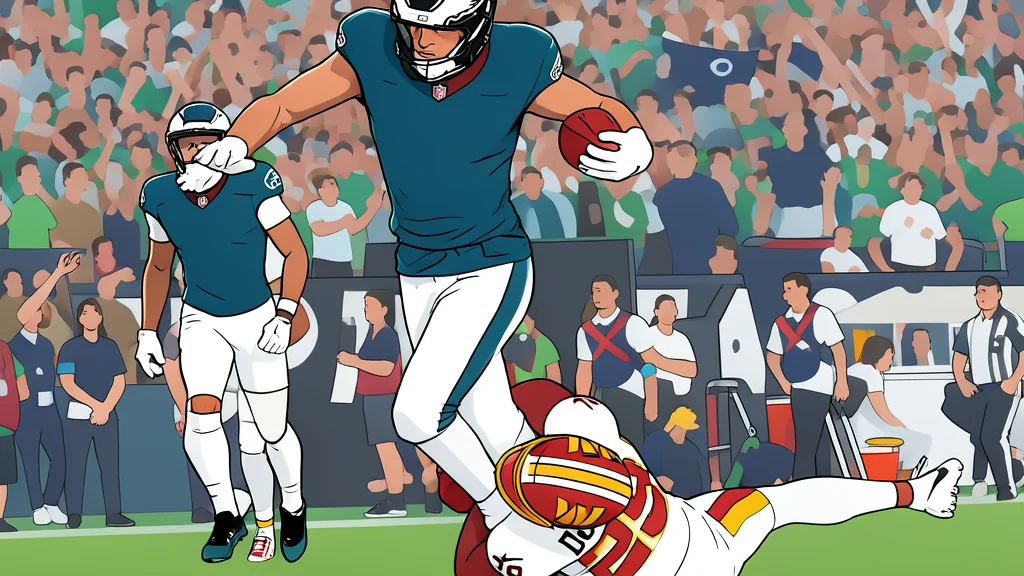
Greg Rousseau’s hands closed around the ball at the Houston 29-yard line, the leather snapping free from C.J. Stroud’s grasp. The strip-sack was visceral, a sudden violence that shattered the opening rhythm of the game. Ed Oliver scooped the loose ball, and the crowd’s energy drained instantly. It set the tone for a day defined by near-misses and the cruel geometry of turnover placement.
By the final seconds of the fourth quarter, the scene mirrored the first. Rousseau was there again, this time at the 28, his arms wrapping around Stroud’s torso to pin him to the turf. Terrel Bernard recovered the fumble, extinguishing the last flicker of Houston’s hope. The Bills took the 36-31 victory, leaving the Texans with a season opener that felt less like a defeat and more like a ghost of a win they couldn’t quite touch.
Methodical Drives Defy Early Chaos
Between those two bookend turnovers, the Houston offense operated with a precision that suggested the final score was a statistical error. Stroud completed 26 of 38 passes for 274 yards, threading the needle with a calm that contrasted sharply with the chaos of the fumbles. He did not panic when the early fumble threatened to sink the team; instead, he found Nico Collins on the sideline for a 25-yard gain that reset the field position and ignited the first scoring drive.
The Texans ran the ball down the field three separate times, each drive a masterclass in patience and execution. One possession stretched to nearly eight minutes of game time, with Stroud extending a crucial first down on a 15-yard scramble that kept the offense alive. David Montgomery finished the job repeatedly, his legs pumping through the fatigue of the afternoon to score on short tosses. It was a performance of sustained pressure that kept Buffalo’s defense guessing.
Second Half Surge Hits a Wall
The most electric sequence arrived with the clock ticking down in the second quarter. Trailing 24-14, Houston took over with 1:29 remaining. What followed was a blur of motion and intent. Dalton Schultz caught a nine-yard pass to keep the chains moving, followed by a penalty that gifted another 21 yards. Xavier Hutchinson added a nine-yard gain, and then Jaylin Noel caught a strike over the middle, galloping to the 12-yard line.
Stroud’s eyes found Collins one last time, the ball arcing through the late afternoon sun. The touchdown cut the lead to three, but the momentum shifted violently in the third quarter. Buffalo’s defense tightened, and the Texans’ offense, which had been a machine, began to stutter. The third-quarter scoreless stretch was a silent scream, a warning that the window for a comeback was closing fast.
Crunch Time Fumbles Define Outcome
Houston clawed back into the game in the fourth, with Montgomery catching a seven-yard pass to tie the score temporarily. But the air in the stadium grew heavy with the weight of unsolved problems. Stroud’s contract status hung in the background, a silent question mark over a career that demands more than near-misses. The offense played well enough to win, as Stroud admitted, but the defense and special teams failed to provide the necessary cushion.
The final play was not a mistake of execution but a failure of survival. Rousseau’s sack was not a fluke; it was a pattern. The Texans had the plays, the yards, and the will, but they lacked the one thing that separates a winner from a loser in the NFL: the ability to finish. As reported by Yahoo Sports, the story of the day was not the points on the board, but the two times the ball left Stroud’s hands when it needed to stay. The Bills took the win, and the Texans took a lesson etched in fumbles.