Treadwell's Catch Saved by Replay in Colts-Chiefs Overtime
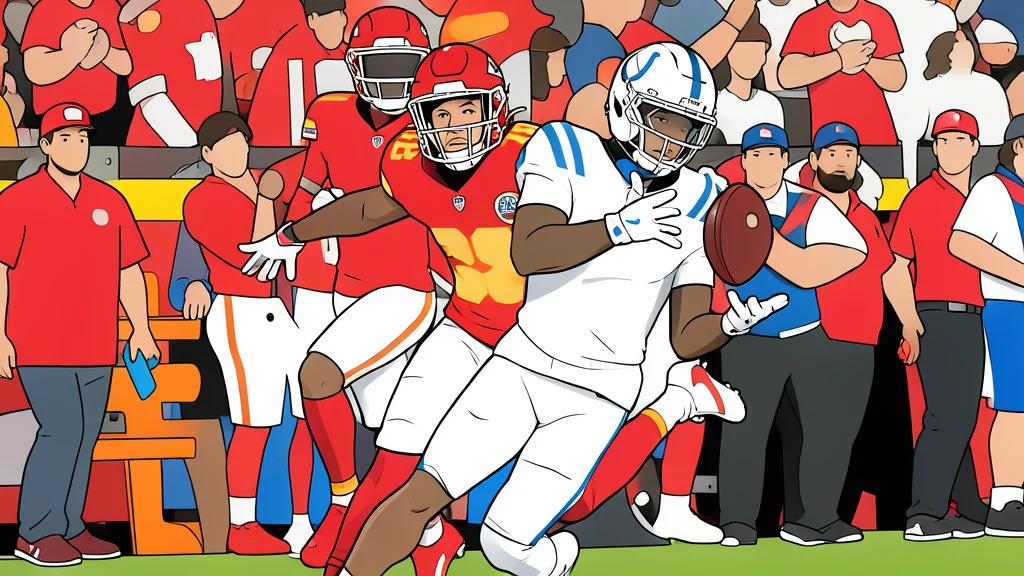
Replay officials reversed a fumble call, crediting Laquon Treadwell with a down-by-contact catch to keep the game alive.
Key points
- Replay officials ruled Laquon Treadwell down by contact, reversing a fumble call against the Colts.
- The decision hinged on Treadwell gaining control of the ball before being touched by Nohl Williams.
- The reversal extended overtime, allowing the Colts to tie the game with a subsequent field goal.
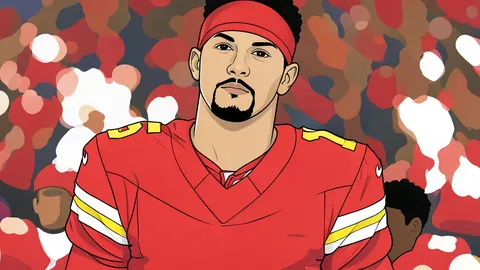
The Kansas City Chiefs erupted in celebration, their hands raised high under the stadium lights, convinced the football had slipped from Laquon Treadwell’s grasp. For a fleeting second, the Sunday Night Football broadcast hung in the air, a cliffhanger poised to end in defeat for Indianapolis. Then the screen froze, the noise dampened by the static of review, and the outcome flipped on a technicality of contact.
It was a sequence that defied the immediate chaos on the field. Daniel Jones launched a deep strike into the red zone, Treadwell caught the ball, and the Chiefs defender Nohl Williams punched it out. The on-field whistle signaled a turnover, but the replay booth told a different story: the catch was complete, the player was down, and the game remained open.
The Physics of the Catch
The dispute hinged on a millisecond’s timing. Did Treadwell possess control before the defender’s hand met his hip, or did the touch precede the secure grip? The distinction is invisible to the naked eye in the heat of the moment. Williams’ punch-out was aggressive, a violent rejection of the ball that sent it tumbling across the turf. The Chiefs believed they had stripped the ball before Treadwell could establish possession, effectively nullifying the catch.
Replay officials scrutinized the frame-by-frame footage, looking for the precise intersection of ball, hand, and defender. The evidence pointed to a clean catch first. Treadwell’s fingers had locked onto the football before the collision with Williams. The subsequent loss of the ball was not a fumble during the play, but a spill after the play had effectively concluded.
Down by Contact Defined
Once the catch was validated, the question shifted to whether Treadwell was down by contact. The rules are unforgiving: a player is down when any part of their body other than hands or feet touches the ground, provided they have been contacted by an opponent. Treadwell’s knee scraped the grass, a sharp, physical marker that ended his momentum. Because the defender had touched him prior to that contact with the turf, the play was dead.
The ball that Williams punched out was legally out of bounds. The fumble call on the field was a misinterpretation of the sequence, a failure to recognize that the catch had already secured the ball. The replay decision restored the integrity of the possession, extending the overtime period and forcing the Chiefs to start over from their own side of the field.
A Game That Breathed Again
The Colts did not capitalize on the extended life to win immediately. They settled for a field goal, tying the score and returning possession to Kansas City. Yet the sequence mattered because it denied the Chiefs an easy victory. The deep pass, the contested catch, and the technical reversal created a narrative of resilience. As reported by Yahoo Sports, the moment nearly ended the game, but the rules kept it alive, leaving both teams with the chance to fight for the win on the next drive.