Week 2 Underdogs and Prop Bets Take Center Stage
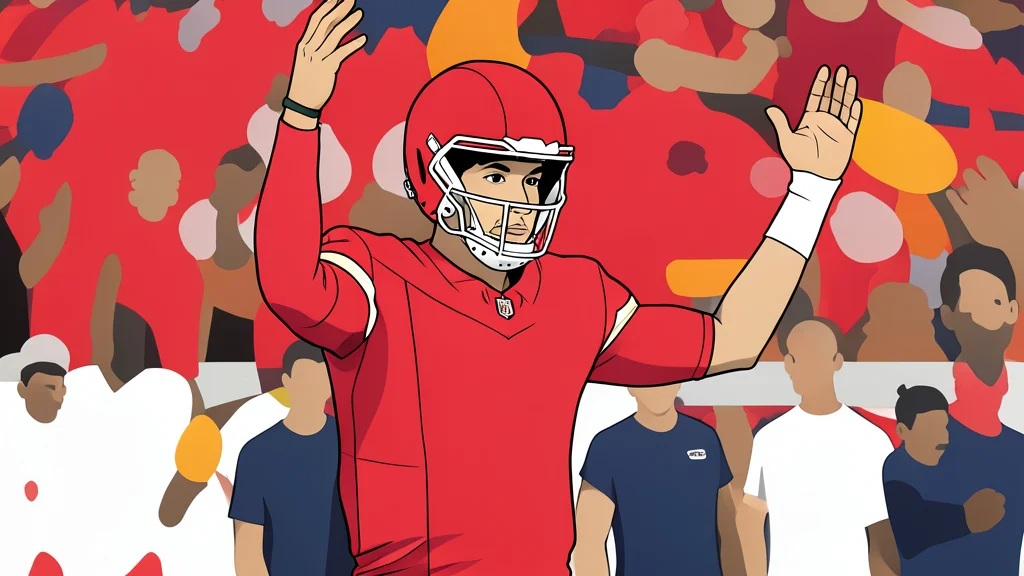
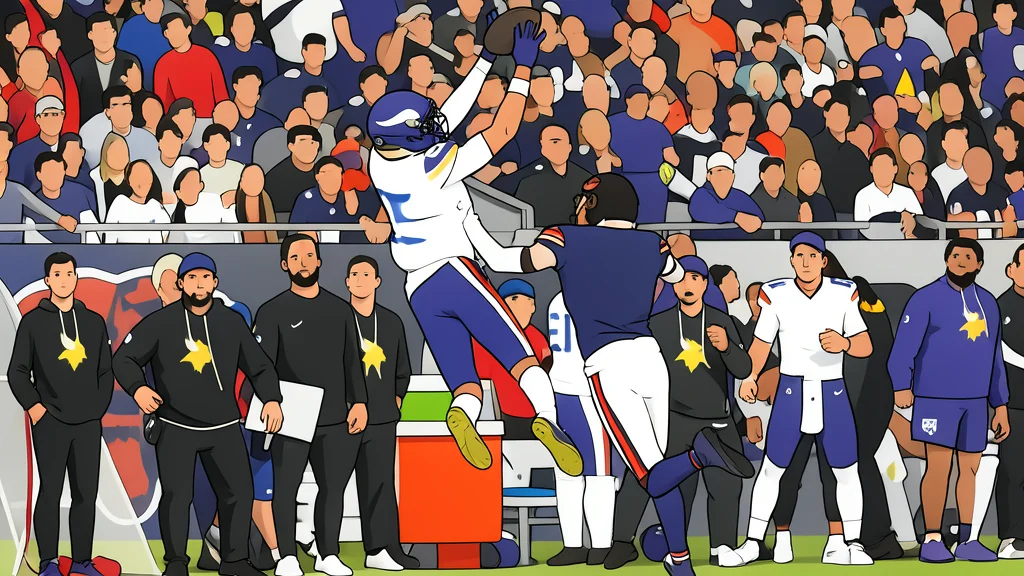
The lights hum over the turf as Week 2 unfolds, pitting doubted home teams against formidable visitors in a clash of expectation and reality.
The stadium air is thick with anticipation as the Jets prepare to host the Packers, a 3.5-point underdog in a match that smells of desperation and defiance. Nearby, the Cardinals brace for Seattle, holding a similar handicap that suggests they are expected to falter. The turf stretches out under the glare of the lights, white yard lines cutting sharp, geometric shapes into the green expanse. It is a stage set for the underdog, where the weight of expectation presses down on the shoulders of teams like the Titans, who face the Eagles as 7-point home dogs. The Falcons, the slimmest underdogs at 2.5 points against Carolina, stand ready to exploit the slightest margin of error.
Betting markets react to these disparities with a flurry of activity, driven by models that simulate every snap of action thousands of times. According to reports from GN sports/nfl (en-US), the data points to specific opportunities where the longshot isn't just a gamble but a calculated risk. The Jets and Cardinals, both straight-up winners in the opening week, carry momentum that raw numbers might underestimate. For those looking to weave together a parlay, the focus shifts to teams that the public overlooks, creating a tapestry of potential payouts that defies the initial odds.
Model Simulations Drive Parlay Strategies
A sophisticated algorithm, running ten thousand simulations per game, has identified a five-team parlay with odds hovering near 25-1. One leg of this intricate bet places the Seattle Seahawks as favorites to cover a 4-point spread against Arizona. The model’s calculations suggest the Seahawks cover in over sixty percent of these digital rehearsals, a statistic that anchors the broader wager. The precision of these simulations offers a stark contrast to the chaotic reality of the field, where a single fumble or a lucky bounce can shatter the most robust projection.
Fantasy Lineups and Player Props
Beyond the team outcomes, individual performances take on a heightened significance in fantasy leagues and daily fantasy sports. Mike McClure, a professional player with over two million dollars in career winnings, highlights Bears tight end Colston Loveland as a top contender for the Sunday slate. His analysis digs into matchups and statistical trends, filtering through the noise to find value where others see only risk. Meanwhile, the model projects Buccaneers quarterback Baker Mayfield as a top-10 fantasy option, a designation that carries weight in start-sit decisions made in the quiet hours before kickoff.
The narrative of the week also turns to the 49ers' backfield, where rookie Kaelon Black has emerged as a surprise force. With fourteen carries against ten for veteran Christian McCaffery in the first week, Black’s role has expanded beyond the initial script. Expert Doug Kralstein, who boasts a 12-3 record in recent player prop bets, sees this trend continuing. He backs Black to exceed 37.5 rushing yards against Miami, a prediction that leans on the momentum of a young player finding his rhythm in the flow of the game.
Buccaneers Favorable Against Cleveland
The model’s confidence extends to the Buccaneers, who are projected to cover a 8.5-point spread against Cleveland. This projection holds steady across more than fifty percent of the simulations, suggesting a performance that aligns with the team's capabilities. The green field under the stadium lights becomes a canvas for these predictions, where the abstract numbers of the model meet the tangible, physical struggle of the players. As the week progresses, the focus remains on these key matchups, where the interplay of skill, strategy, and chance determines the final result.