Ardie Savea Shines as All Blacks Forwards Face Springbok Gauntlet
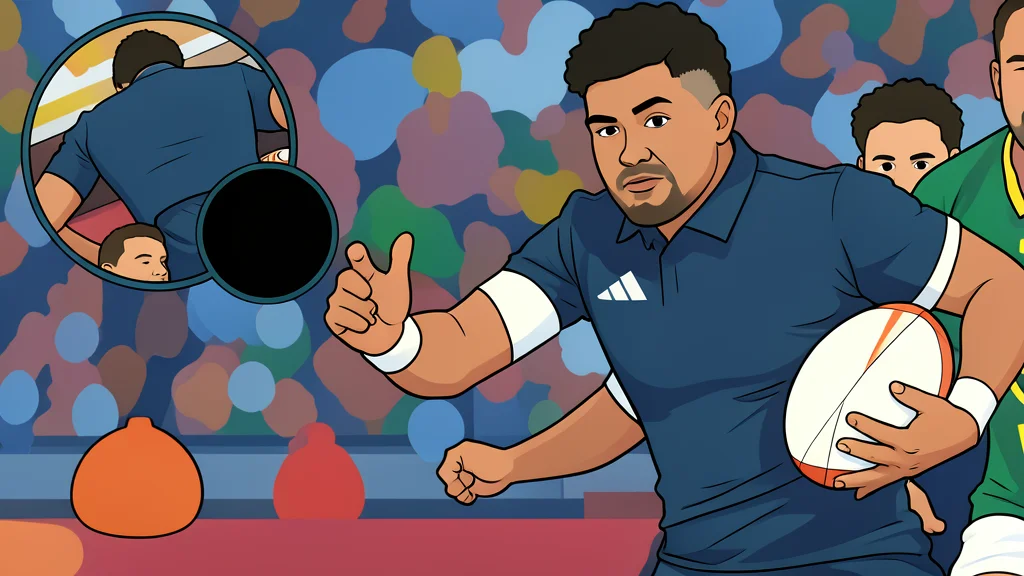
In the red dust of Soweto, Ardie Savea scored twice before an injury silenced his voice. The All Blacks lost the series 3-1, but the forward pack left a complex legacy of brilliance and fragility.
The air in Soweto hangs thick with the scent of cut grass and the metallic taste of defeat. Ardie Savea strikes the ball, the leather screeching against the turf, and for a moment, the momentum shifts. He scores. He scores again. Then the body betrays him, a sharp twist that ends his tour and leaves a void in the New Zealand spine. The Springboks do not flinch. They absorb the blow, counter with brutal efficiency, and close the book on a series they win three games to one. It is a victory built on resilience, but the All Blacks forward pack, as reported by GN sports/rugby (en-US), tells a story of high peaks and sudden falls.
Dave Rennie’s team secured five wins in South Africa, yet the Test series remains a bitter pill. The forwards were the battleground, a chaotic mix of elite athleticism and tactical misfires. Some found their rhythm, driving the ball forward with relentless intent. Others struggled to find their footing against the physicality of the Springboks. The ratings reflect this dichotomy, a spectrum of performance that defines the current state of New Zealand’s front row and back row.
Leadership Fractured by Injury
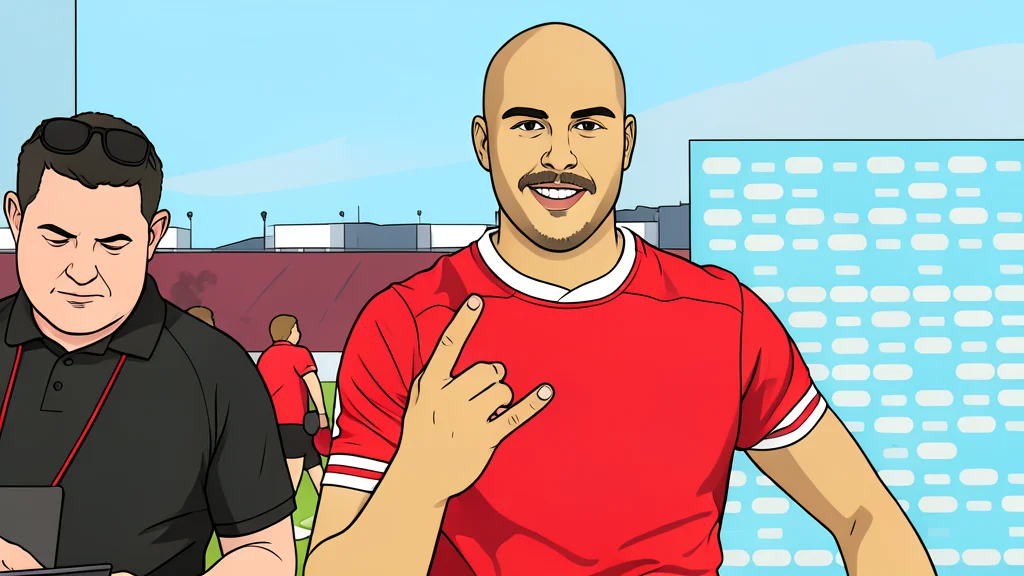
Savea’s arrival in South Africa was a statement of readiness. Rested for the warm-up matches, he injected immediate energy, his leadership a calming force in the chaos. His double in Soweto was a highlight, a reminder of his ability to break the game open. But the injury was a cruel twist, removing a key leader for the finale. The team missed his presence, his voice, and his hands. Without him, the All Blacks’ attack lost a vital creative edge, leaving them to rely on the remaining forwards to find new ways to break the Springbok defense.
In his absence, Peter Lakai stepped up, showing versatility at blindside and number eight. His performance in Baltimore was particularly strong, suggesting he could hold his place in the pack for the rest of the year. Anton Segner, who had a fantastic start to the tour, was ruled out by injury before the first Test, a significant loss given his standout form against the franchises. These absences exposed the depth issues in the forward pack, forcing Rennie to rely on players who were not at their peak.
Depth and Development in Focus
Simon Parker offered a better effort than his underwhelming 2025 debut, with a solid display in Cape Town. However, he did not quite fit the balance in the final two encounters, leading to his exclusion. Wallace Sititi, previously admonished by Rennie, managed to enhance his reputation with opportunities off the bench in Soweto and Baltimore. His performances were subpar in the build-up, but he ended the tour on a higher note, proving his worth in the small moments that matter.
Luke Jacobson faced criticism for his cleanout work, with Springbok observers alleging illegal entries into the breakdown. Yet, his role in the quick ball the All Blacks generate was crucial. He slowed the opposition down, a vital task that he made his own before injury. Ethan Blackadder emerged as a potential threat to Jacobson’s position, superb in the tour games and outstanding at openside in the final match. His versatility and fitness make him a valuable cog in the All Blacks machine, provided he can stay healthy.
Locks Struggle to Dominate
Tupou Vaa’i delivered a mixed bag, featuring at both lock and blindside flanker. There were fine shifts in the earlier Tests, but his performance in the finale in the US was disappointing. Given his importance to the team, a higher standard was expected. Patrick Tuipulotu, with his physicality to compete against the mammoth Springbok forwards, was generally down the pecking order, with just one sub appearance in the Tests. His limited involvement raised questions about his role in the team’s future.
Fabian Holland went into the tour completely cold, having missed the entire Super Rugby campaign due to injury. Despite having no proper games under his belt, he was staggeringly good, dominating in the warm-up matches before impressing in the Tests. His performance was a bright spot in a tour marked by injury and inconsistency. The All Blacks forward pack, while flawed, showed flashes of brilliance that could be the foundation for future success. The Springboks, however, proved too strong in the end, claiming the series in Rugby’s Greatest Rivalry.