Man Utd’s Block-Building Strategy Faces Backlash After Cup Exit
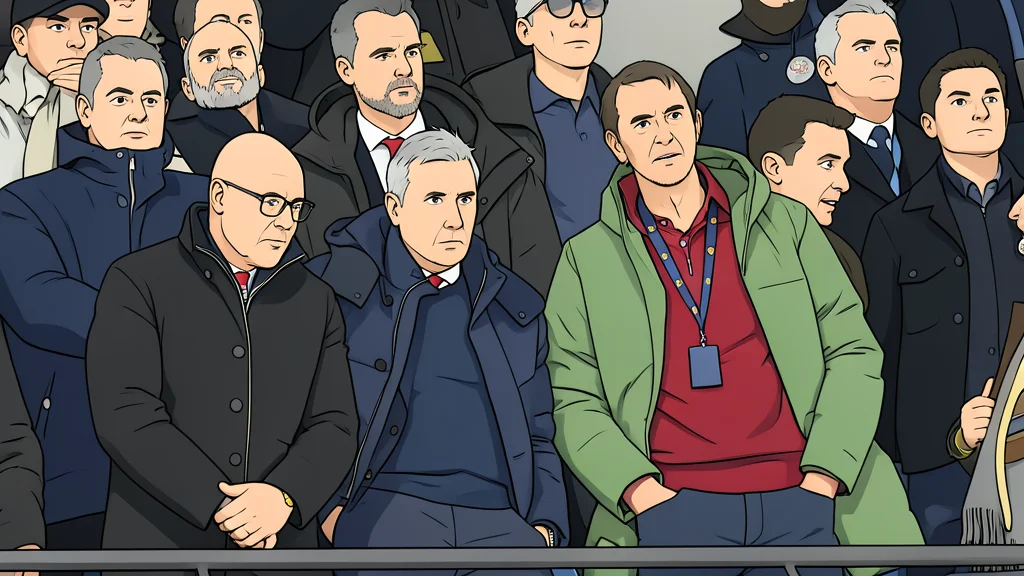
Old Trafford fell silent as Manchester United’s defensive frailties cost them the Carabao Cup, triggering a fierce debate over the club’s controversial phased recruitment model.
The floodlights at Old Trafford cut through a heavy, grey sky, illuminating a pitch that felt heavier than usual under the weight of expectation. It was only the first month of the season, yet the air in the north stand had already turned brittle. Patience, a currency once abundant at this ground, had evaporated. The defeat to ten-man Manchester City on Sunday had left the squad with a slender four points from four league games, a tally that sat like a stone in the stomach of the faithful. Wednesday offered a chance to exhale, a chance to prove the league form was an anomaly rather than a trend. But the night ended in a roar of disapproval, a collective sigh of exhaustion that echoed off the concrete bowl.
Manchester United started the Carabao Cup tie against Brighton with a flash of brilliance, scoring two early goals through Shea Lacey and Mason Mount. For a fleeting moment, the rhythm was right. Then the structure collapsed. A series of blunders at the back allowed the Seagulls to mount a shocking comeback, turning a comfortable lead into an embarrassing elimination. As the final whistle blew, the sound was not one of celebration but of jeers. The fans had seen enough. The performance was shambolic, a stark reflection of a squad that feels disjointed and incomplete. The criticism, however, did not stop at the players. It traveled up the chain of command, landing squarely on the desk of the club's leadership.
A Strategy That Defies Convention
The core of the controversy lies in the club’s method of squad construction. Manchester United has adopted a 'block-by-block' approach, rebuilding the team from the front line to the back rather than addressing weaknesses as they appear. Adam Crafton, a reporter for The Athletic, described the tactic as something he had never witnessed before, labeling it "utterly stupid" and "predictably so." His words, shared on social media, captured the growing frustration among pundits and fans alike. The strategy involves a rigid, phased rollout of new talent, prioritizing specific departments of the pitch in a strict chronological order. It is a method that demands patience, a commodity that is in short supply in the modern football landscape.
The execution of this plan has been visible in the transfer market. In 2025, the focus was entirely on the attack, with the arrivals of Matheus Cunha, Bryan Mbeumo, and Benjamin Sesko intended to replace a forward line that had become crowded with underperformers. This year, the spotlight shifted to the midfield, bringing in Andrey Santos, Youri Tielemans, and Carlos Baleba. The logic is clear: fix the engine room after fixing the engine. But the backline, the area of most acute vulnerability, remains untouched. Reports suggest that an overhaul of the defensive unit is not expected until the summer of 2027. For a team currently conceding goals from simple errors, that delay feels less like a strategic choice and more like a gamble with the season on the line.
Forced Hands and Defensive Gaps
Context matters, and the management team argues that they were forced into this path by the state of the previous squad. In 2025, the attack was a mess, with players like Antony, Jadon Sancho, and Alejandro Garnacho occupying space without delivering results. A full overhaul was necessary to clear the deck. This year, the midfield was the weakest link, with Kobbie Mainoo often left as the sole available option in the squad. Three new signings were needed to create depth and competition. The argument is that you cannot fix everything at once, that the budget and the market conditions dictate a step-by-step process. Yet, the results on the pitch do not care about the logic of the boardroom. They care about the gaps in the defensive line and the lack of cohesion in the back five.
Critics point out that while the attack and midfield were addressed, the defensive frailties were left to fester. The club's owners, INEOS, and Football Director Jason Wilcox are now under intense scrutiny for allowing these weaknesses to persist. The question is not whether the block-building strategy is theoretically sound, but whether it is practically viable for a team competing for trophies. Delaying the fix to the backline until 2027 means another year of potential suffering. It means another year of fans watching their team concede goals from avoidable mistakes. The strategy has returned to haunt the club, and the cost is being paid in points, in morale, and in the fading belief of the supporters.
The January Window and the Future
As the season progresses, the pressure on the management to act will only intensify. The January transfer window is the next opportunity to intervene, to bring in defensive reinforcements and plug the holes that have been exposed. But will it be enough? By then, the season may already be out of reach. The current campaign is in serious jeopardy, with the team struggling to find a consistent rhythm. The fans are demanding action, not just planning. They want to see the backline strengthened now, not in a year. The debate over Manchester United’s transfer strategy is no longer about what could be done; it is about what must be done to salvage a season that is already slipping away. The patience is gone. The demands are clear. The next move will define the rest of the year.