Brave Blossoms Crush USA to Reach Pacific Cup Final
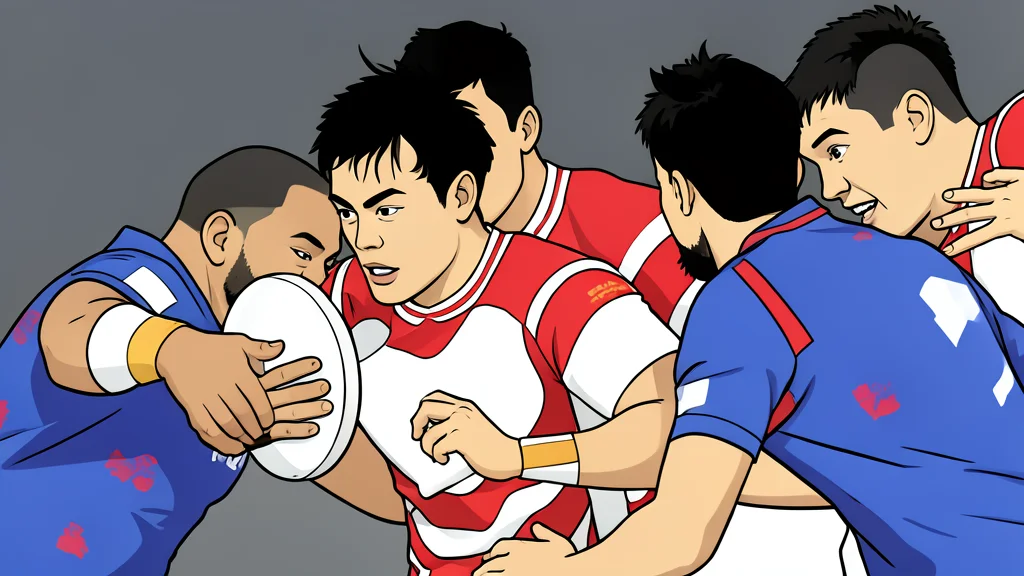
Osaka humidity thickens the air as Japan dismantles the US with a 63-14 rout, securing a date with Fiji in the tournament finale.
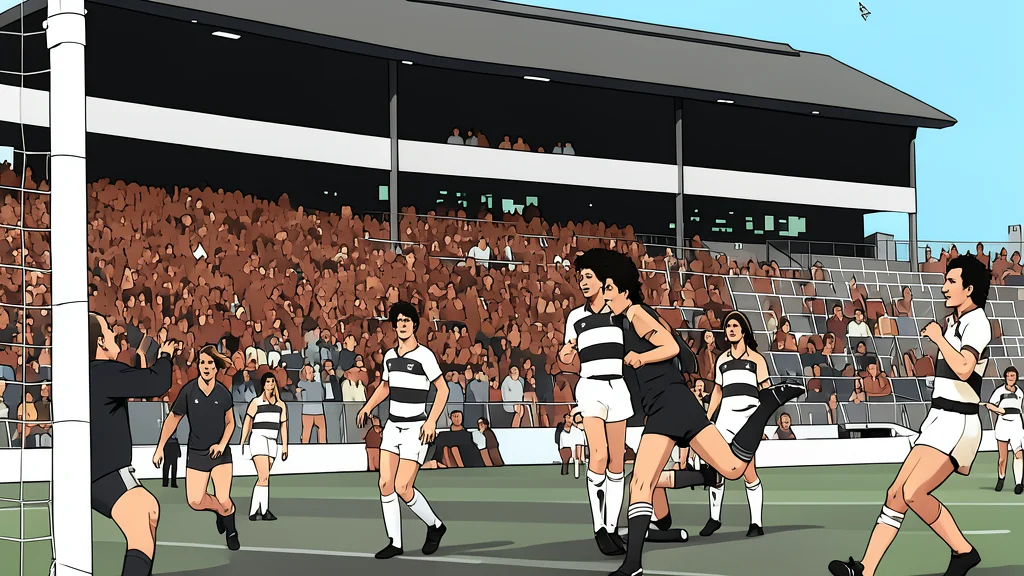
The air in Osaka hangs heavy, saturated with the humidity of a late summer afternoon. Inside the Hanazono Rugby Stadium, the green turf feels soft underfoot, a canvas for a display of raw power. Japan does not merely play; they crush. Against the United States, the Brave Blossoms roll forward with a relentless momentum, turning a routine match into a statement of dominance. The scoreboard tells a brutal story of disparity, but the physicality on the pitch tells a deeper tale of control.
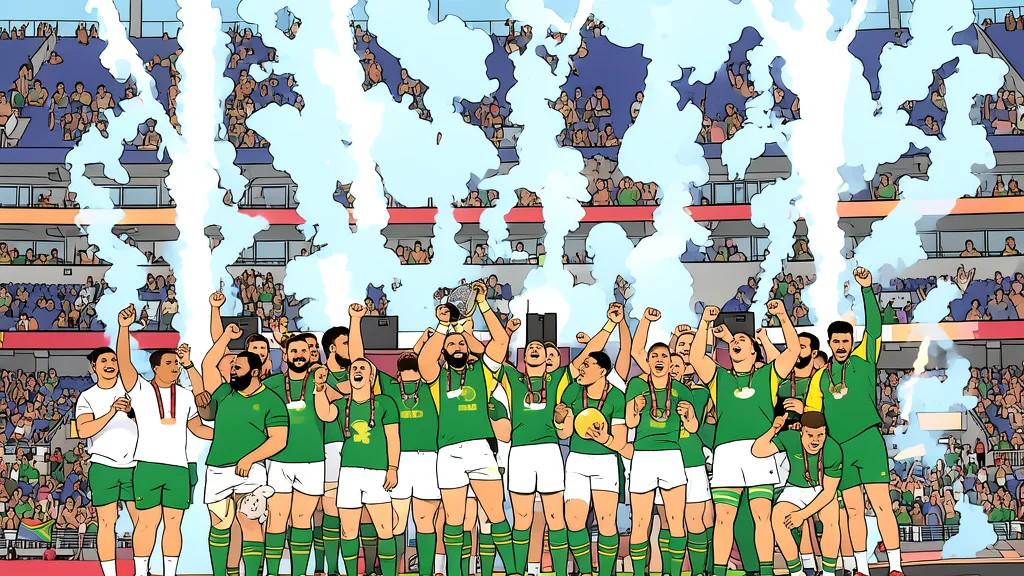
It is a performance that silences the crowd with its sheer inevitability. By the final whistle, the score reads 63-14, a margin that leaves no room for debate. Japan has punched their ticket to the Pacific Nations Cup final, where they will face the seven-time champions, Fiji. The path to the title is clear, paved by a victory that felt less like a game and more like a systematic dismantling of their opponents.
Early Power Sets the Tone
The match begins with a burst of kinetic energy. Center Yuya Hirose hits the first wave, driving through a tackle with the kind of force that leaves defenders stumbling. In the second minute, he crosses the line, grounding the ball in the grass. It is a small moment, but it ignites a fire. The Japanese attack flows like water, finding gaps in the American defense with ease. They build a lead of 28-0, a cushion that seems unbreakable. The rhythm is set, and the visitors are left chasing shadows.
Then, the tide shifts. A lapse in concentration, a moment of undisciplined play, opens a door. The Americans, ranked 14th in the world, step through it. They score two unanswered tries, a brief flash of hope that lights up the stadium. But it is a spark in a dry field, quickly extinguished. Coach Eddie Jones acknowledges the slip.
Defense Holds the Line
At halftime, Japan leads 35-14. The score is comfortable, but the intent is not. In the second half, the narrative changes from attack to containment. The Brave Blossoms tighten their defense, a wall of bodies and will. The Americans press, but they find no way through. The Japanese defenders stand firm, absorbing the impact, turning every attempt into a stall. It is a masterclass in consistency, the kind of steady, unglamorous work that wins championships.
Jones speaks of building that consistency, a hallmark of great teams. It is not about the flash of a single moment, but the endurance of the whole. The Japanese squad demonstrates this, holding their nerve, maintaining their shape. The result is a second half where the visitors score nothing, their efforts blunted by a defense that refuses to break. The final score of 63-14 is not just a number; it is a testament to that sustained effort.
Eyes Turn to Fiji
The victory is a springboard. With the United States beaten, Japan looks ahead to the final against Fiji. The Pacific islanders have already secured their place, defeating Canada 45-29 in their own clash. The final, scheduled for September 19 at the Prince Chichibu Memorial Rugby Ground in Tokyo, promises a clash of titans. For the Japanese, the goal is simple: to beat the reigning champions and lift the trophy.
Hooker Mamoru Harada, named player of the match, reflects on the performance. He admits the team expected a hard fight, but they found their rhythm.