Wood, Rope, and Salt: The 2026 FOTNA Sailing Cup in Chennai
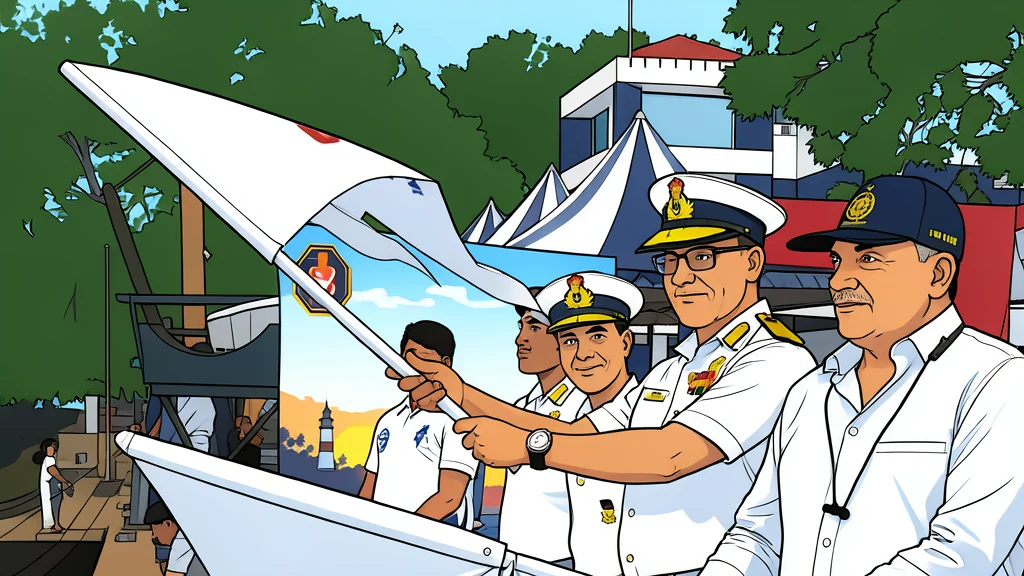
Eighty sailors converge on the Royal Madras Yacht Club, where the rhythm of the sea meets the discipline of the Navy in a tradition of stitched seams and natural rope.
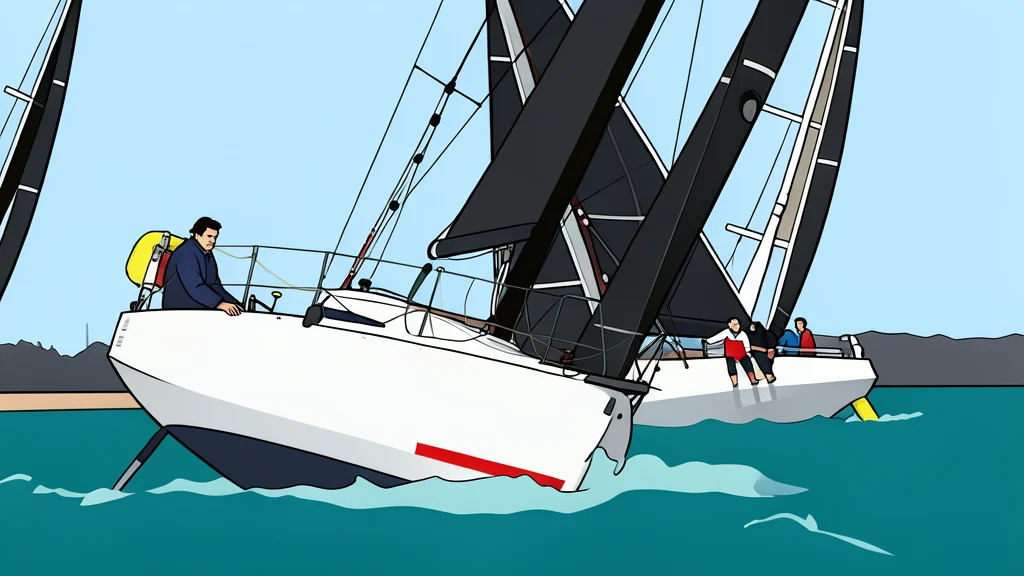
The air at the Royal Madras Yacht Club hangs heavy with salt and the scent of varnished wood. On Saturday, eighty sailors gathered on the deck, a mix of Armed Forces personnel and civilian enthusiasts, their eyes fixed on the horizon. It was not just a race; it was a gathering of spirit. The FOTNA Sailing Cup 2026 pulsed with energy, a testament to a sport that demands respect for the elements.
Since its inception in 2018, this annual event has grown into a vital platform for experience and competition. The water churned with anticipation. Sailors adjusted their lines, feeling the tension in the rigging. For many, this is more than a hobby; it is a calling that bridges the gap between personal challenge and national service.
Rear Admiral Kundu’s Call to Courage
Rear Admiral Upal Kundu, Flag Officer Commanding the Tamil Nadu and Puducherry Naval Area, stood before the crowd. Holding the Vishisht Seva Medal, he spoke of the Navy’s deep, historical bond with the sea. His voice was steady, reflecting the discipline the sport instills. He emphasized that sailing builds judgment, teamwork, and a profound respect for nature.
“A smooth sea never made a skilled sailor,” he declared. The phrase landed with weight. He urged the young participants to carry these maritime lessons into their daily lives. Face challenges with courage, he said. Persevere. If the sea calls you, he added, consider a career with the Navy. The message was clear: the ocean is a teacher, and it demands respect.
The Ancient Craft of INSV Kaundinya
The Navy highlighted a masterpiece of traditional engineering: the INSV Kaundinya. This vessel is a study in natural materials. Wood and coconut coir rope form its structure. Natural resins seal the seams. There are no metal fastenings. It is a ghost ship from ancient Indian shipbuilding technology, brought back to life.
This is not a static museum piece. The Kaundinya completed its maiden overseas voyage. It sailed from Porbandar to Muscat and back. The journey proved that traditional methods can withstand the modern open ocean. It stands as a symbol of resilience and heritage, floating on calm blue water with a history written in rope and resin.
Building a Pathway for Young Sailors
The focus on youth extends beyond the racecourse. The Navy Youth Sports Company, established in 2017 at INS Mandovi in Goa, serves as a crucial training ground. Jointly run by the Indian Navy and the Sports Authority of India, the program identifies promising talent. It provides competitive training, education, and boarding. This structured pathway offers young sailors a direct route to join the Navy.
As reported by GN sports/sailing (en-US), this initiative ensures that the skills learned on the water translate into a viable career. The 2026 FOTNA Sailing Cup is a snapshot of this broader mission. It is about preserving tradition while forging future leaders. The sea, after all, is waiting.