Barcelona Rejects Loan Deal for Balde Amid United Interest
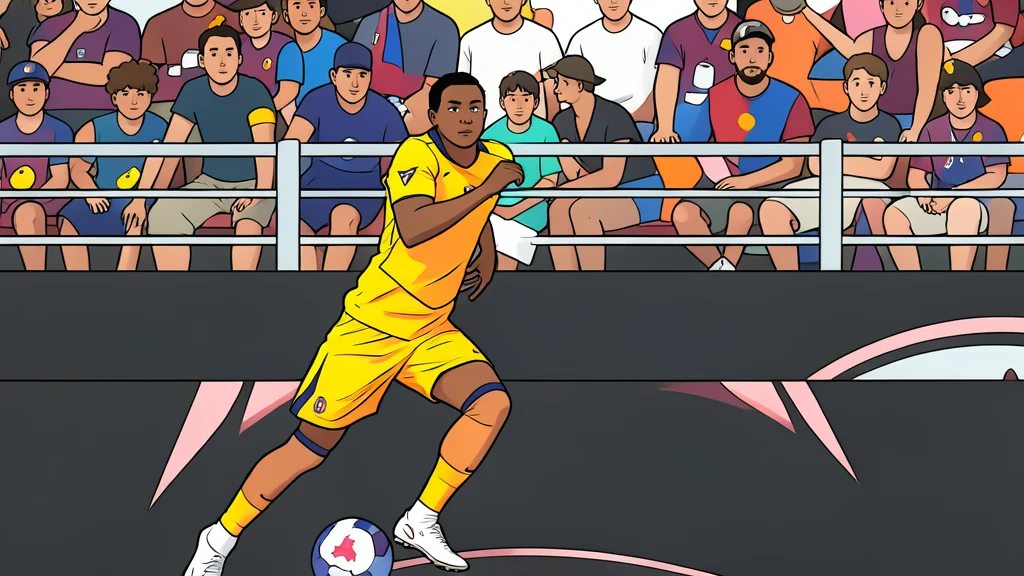
Alejandro Balde remains on the bench as Barcelona hold firm against a Manchester United loan bid, prioritizing long-term value over immediate squad rotation.
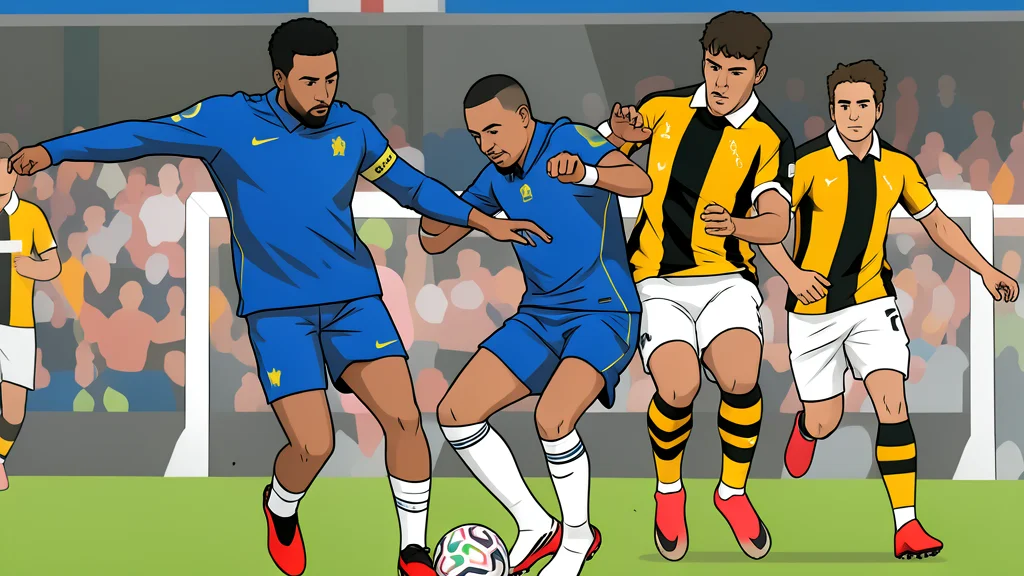
The green expanse of the Camp Nou pitch stretches under the floodlights, a canvas of perfect white lines cutting through the deep green turf. In the background, the goal net stands taut and empty, waiting for a strike that has not yet come. This is where the silence of the bench meets the noise of the crowd, a physical divide that defines the current reality for Alejandro Balde. While Barcelona dismantles opponents with surgical precision under Hansi Flick, the twenty-two-year-old left-back watches from the sidelines, his name missing from the matchday squad for the first time since his breakout.
Five wins from five. The numbers are cold, hard facts etched into the season’s early narrative. Xavi Espart and Joao Cancelo have carved out their space, rotating with seamless fluidity on the left flank. Yet, for Balde, the minutes remain zero. The summer transfer window closed with a quiet standoff, a financial chasm separating the ambitions of Manchester United from the rigid logic of the Catalan club. United wanted a loan, a temporary fix for their own depth. Barcelona saw only a permanent exit or nothing at all.
Financial Logic Over Temporary Relief
According to Yahoo Sports, the core of the dispute was not tactical but economic. Manchester United viewed a permanent signing as financially unfeasible, pushing for a loan arrangement that would allow them to utilize his talent without a heavy upfront fee. For Barcelona, this proposal was a non-starter. A loan deal would have meant losing a key first-team player from the previous season with little to no financial upside. The club’s stance was clear: they would not send a homegrown star to a rival league on a temporary basis that offered no return on investment.
The gap between the two clubs’ positions was immediate and stark. The Red Devils’ financial constraints collided with the Catalans’ strategic need to retain control over their assets. A loan, in Barcelona’s view, was a leak in the ship. It would have allowed a player of significant potential to drift away from the project, reducing his value and weakening the squad’s cohesion. By rejecting the loan, Barcelona forced a binary choice: buy him outright or let him stay. United chose the latter, by default.
A Test of Consistency and Character
Balde’s situation has shifted from undisputed starter to a player fighting for relevance. Since breaking into the first team, he enjoyed a near-continuous run of minutes, a period of stability that is now under scrutiny. Hansi Flick has demanded more, pushing for a level of consistency that Balde has yet to deliver in the current campaign. The competition at left-back has intensified, with Espart emerging as a revelation and Cancelo providing versatile depth. Balde is facing a challenge he has never truly encountered before: the threat of being left behind.
Yet, his talent remains undeniable. The qualities he possesses are rare in the modern market, a combination of speed, technical precision, and positional intelligence that is difficult to replicate. He represents a complementary profile to his competitors, offering a different dynamic that could unlock new dimensions in Barcelona’s attack. The decision to keep him was not an act of sentimentality but a calculation of potential. He is a piece of the club’s future, a homegrown asset that carries intrinsic value beyond his current minutes on the pitch.
The Weight of the Bench
In an ideal scenario, Barcelona would have never considered a sale. The move to reject the loan was a statement, a way of sending a message to the player and the club. It was a test of character, a challenge to step up in training and prove his worth. Balde must now earn his place not through past glory but through present effort. The bench is a cold place, a silent observer of the game’s flow, but it is also a crucible. It is where potential is tested, where the weak are weeded out, and where the strong emerge with a sharper edge.
The season is young, and the narrative is far from written. Balde has the tools to reclaim his position, to shatter the doubts that have settled over his name. But he must do so in a club that no longer takes his presence for granted. The green pitch waits, the net hangs ready, and the clock ticks forward. The decision to hold firm was the right one, a bold move that prioritizes long-term vision over short-term convenience. The rest of the season will reveal whether Balde can meet the challenge, or if he will remain a spectator in his own story.