Carrick Rejects Pressure Narrative After United Cup Exit
Manchester United manager Michael Carrick has dismissed claims of heavy scrutiny following the 3-2 defeat to Brighton, maintaining that external expectations do not influence his tactical decisions on the pitch.
The floodlights hummed over the Old Trafford grass as the final whistle cut through the air, leaving a silence that felt heavier than the boos preceding it. Manchester United had surrendered a two-goal lead, a feat not seen in their home history since 1976. The ball rolled to a stop near the touchline, a small white sphere against the vast green expanse, marking the end of a night that defied logic. For Michael Carrick, the manager standing at the center of this unraveling, the moment was defined not by panic, but by a steady, deliberate refusal to flinch.
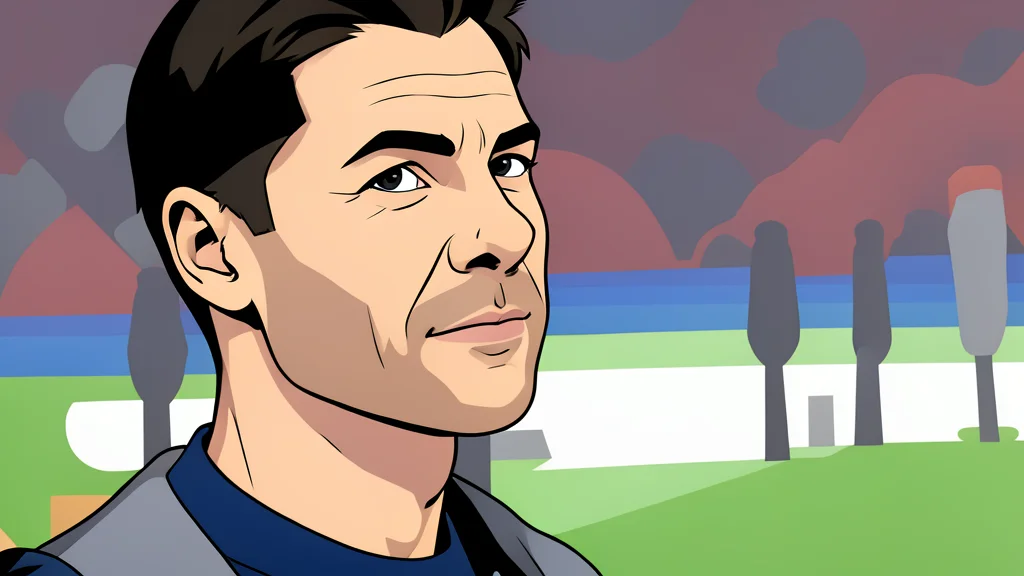
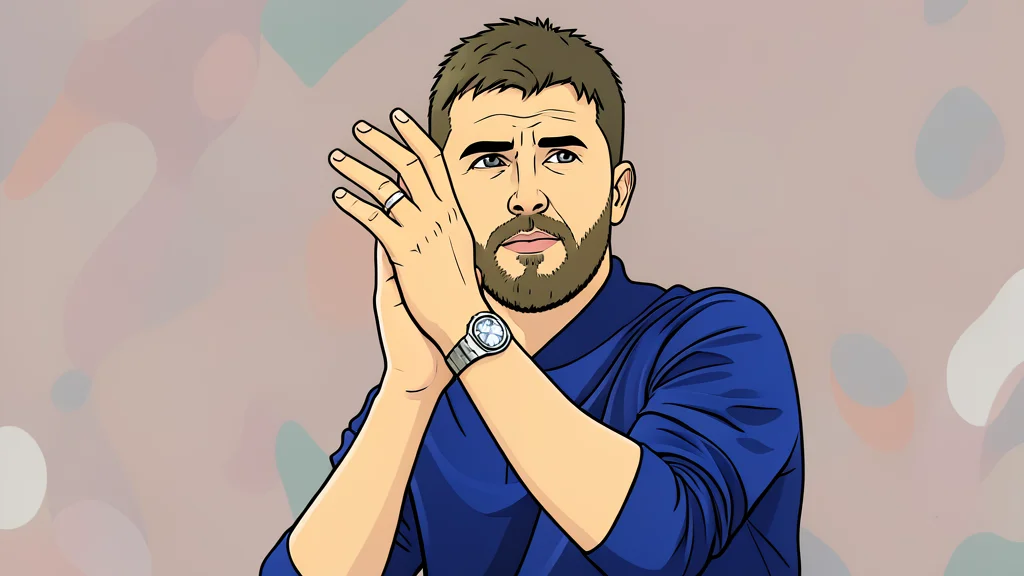
Questions about his job security had been swirling in the press box long before the first kick. Yet, when Carrick addressed the media, his voice remained level, stripping away the dramatics usually attached to such a collapse. He did not raise his voice, nor did he point fingers. Instead, he looked directly at the reporters, his expression calm under the harsh glare of the stadium lights. There was no tremor in his hands, no hesitation in his words. He simply stated that the pressure, often spoken of by outsiders, did not register in his own mind.
A Calm Response to Scrutiny
Carrick acknowledged the reality of the situation with blunt honesty. He admitted that when results go well, the praise flows to him, and when they go wrong, the blame lands squarely on his shoulders. This cycle, he noted, is the nature of the job, not a personal attack. He rejected the notion that this dynamic was weighing him down. In his view, the noise surrounding his position was a distant echo, irrelevant to the immediate task at hand. The focus remained on the next match, the next chance to prove his tactical acumen.
He emphasized that the squad possesses the quality to reverse their current trajectory. The players, he argued, have a proven track record of high performance, and this recent slump does not erase that foundation. It is a temporary dip, a moment of confusion rather than a structural failure. Carrick’s confidence was not blind optimism but a grounded belief in the talent within the dressing room. He saw the potential for a quick turnaround, a return to form that would silence the critics and restore belief among the supporters.
The Weight of History
The statistic hanging over the match was a ghost from the past. Leading by two goals at home and losing had not happened to United in half a century. The last instance was a 3-2 defeat to Tottenham in 1976. This historical marker added a layer of gravity to the evening’s events. It was not just a loss; it was a anomaly, a break in a long-standing pattern of resilience. The fans, aware of this context, expressed their frustration through the full-time whistle, a sound that carried the weight of decades of expectation.
Carrick recognized the mood in the stadium. He acknowledged that the atmosphere felt charged, that the disappointment was palpable and intense. He did not dismiss the fans' reaction, nor did he try to sugarcoat the outcome. He admitted that the feeling in the club was bigger than the result itself, a collective anxiety that had built up over recent weeks. However, he remained steadfast in his belief that this sentiment was temporary. A single victory, he knew, could shift the narrative entirely, turning the tide from skepticism to support.
Shining Moments in Defeat
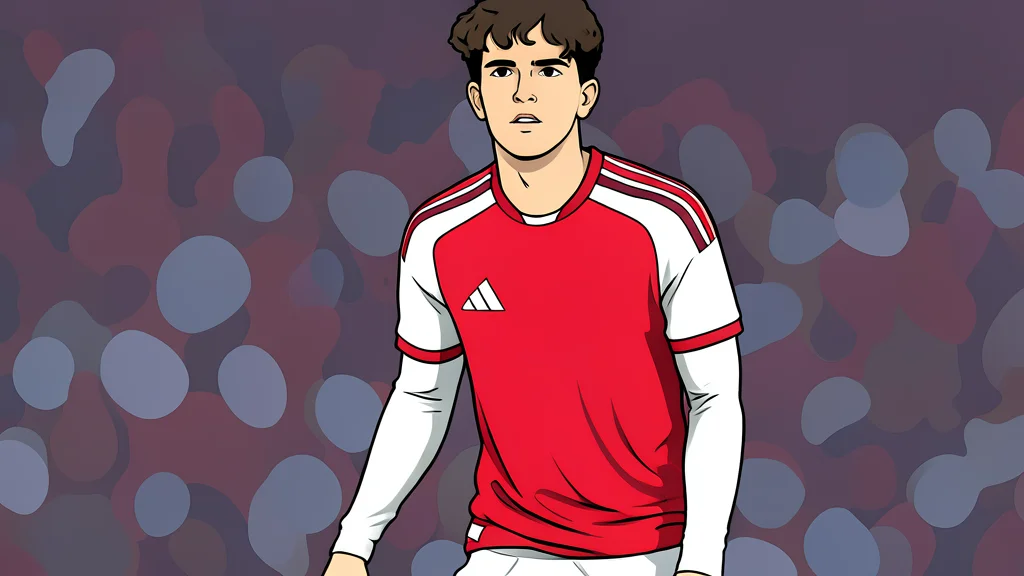
Amidst the defeat, one performance stood out with particular clarity. Shea Lacey, a young talent from the academy, scored a vital goal early in the match. His finish was precise, a moment of individual brilliance that cut through the team's struggles. Carrick highlighted this contribution with genuine pride, noting the significance of an academy player stepping up on such a big stage. It was a moment for Lacey, his family, and the youth development system, a testament to the club's commitment to nurturing homegrown talent.
The manager expressed regret that this achievement was overshadowed by the final scoreline. He believed that Lacey's moment would eventually settle into the club's history, recognized as a significant step in his career. For now, it was a bright spot in a dark evening, a reminder that even in defeat, there are threads of success that can be pulled and woven into future victories. Carrick’s attention was already turning to the next fixture, a trip to Fulham on Sunday, where the team would have the opportunity to reset and begin the climb back to stability.
Manager dismisses pressure narrative
Following Manchester United's 3-2 loss to Brighton, Michael Carrick firmly rejected the notion that he is operating under significant pressure. The defeat saw the club exit the Carabao Cup for the second consecutive season, a result that sparked criticism from supporters and media alike.
Carrick addressed the scrutiny directly, stating that the weight of expectation does not dictate his approach on the pitch. He emphasized that while he accepts responsibility for results, his focus remains entirely on performance and moving the team in a positive direction rather than reacting to external narratives.