Chelsea's Defensive Void Persists

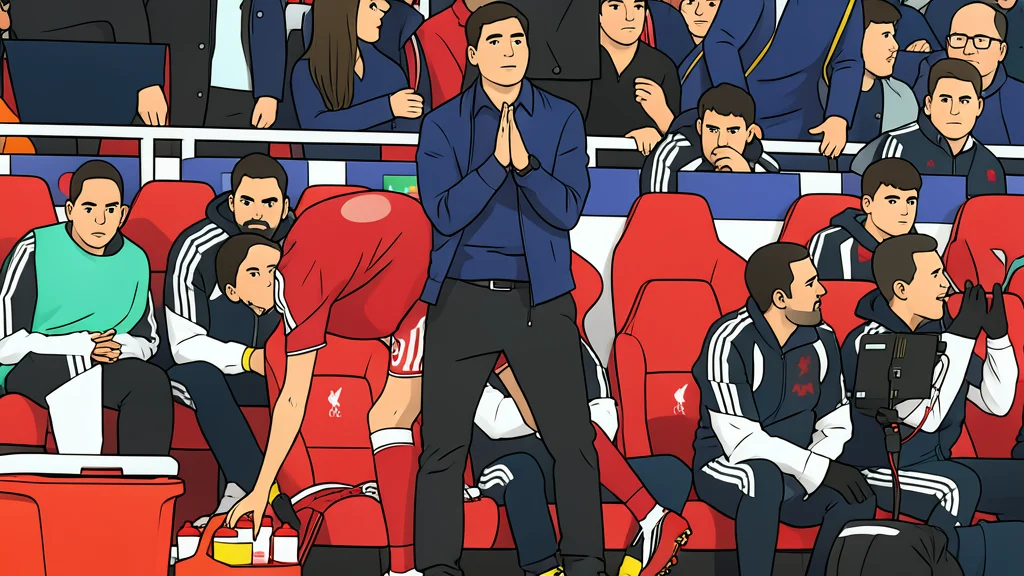
The final whistle cut through the fog of a draw, leaving silence in its wake as Chelsea’s high-octane attack failed to mask a crumbling backline.
The stadium exhaled in unison, a collective sigh that hung heavy in the air. Chelsea’s players stood still, their limbs heavy, watching the clock die on a result that felt like a defeat. They had seen their fluid, attacking rhythm shatter against a Hull City side that had kept a clean sheet in the Premier League before kickoff. The contrast was stark: a team leading the league in scoring power, yet bleeding goals at an alarming rate.
The pattern is now undeniable. Twenty league matches have passed without a single clean sheet, a streak stretching back to January. Under new manager Xabi Alonso, Chelsea have conceded two or more goals in every Premier League fixture. They lead the division with ten goals scored, yet they have also allowed nine, a defensive frailty that only two other clubs in the top flight can match. The numbers paint a picture of a team that can strike with lethal precision but cannot hold the line when the pressure mounts.
Tactical shifts expose defensive gaps
Alonso’s tactical adjustments have unlocked the attack, but they have left the structure porous. Control in possession wavers, and the midfield lacks the stability to bridge the gap between defense and offense. The scrutiny has intensified since Monaco withdrew from a £47 million deal for Lamine Camara on deadline day, leaving a void in the center of the park that has yet to be filled. Defenders have struggled for consistency, caught out of position as the team pushes forward with abandon.
Bringing in goalkeeper Martinez from Aston Villa for £7.5 million to replace Robert Sanchez was a stopgap, not a solution. While the attack has thrived on the creativity of Palmer, Joao Pedro, and Rogers, the defense has remained a liability. The reliance on individual brilliance to rescue the team has become a crutch, one that is now bending under the weight of expectation.
Reliance on individual brilliance
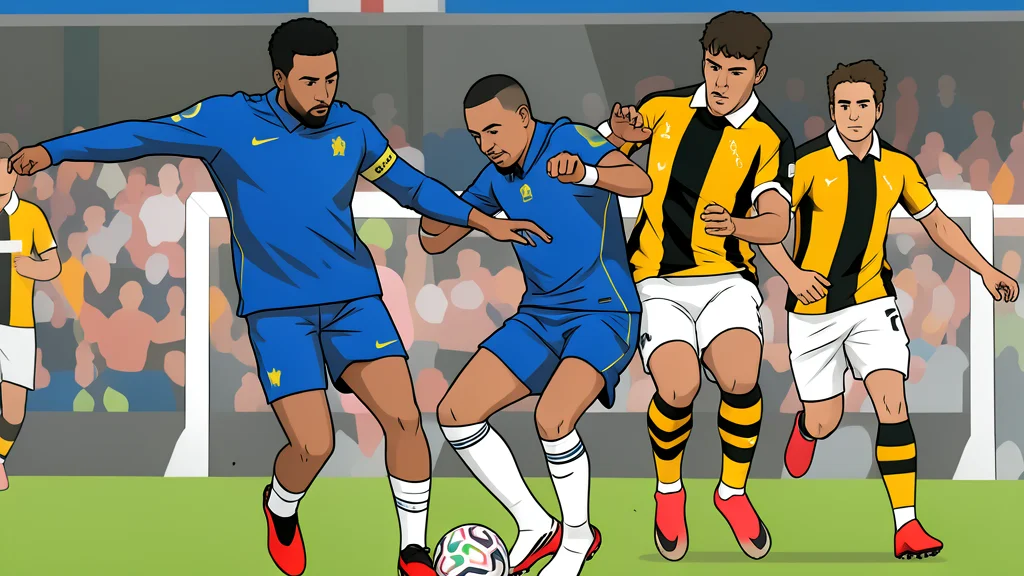
In recent weeks, Chelsea have been saved by the quality of their forwards. Palmer, Joao Pedro, and Rogers have carried the team on their shoulders, turning near misses into goals and chaos into points. But this time, the task proved too great. The Hull City defense, solid and disciplined, neutralized the usual threat. The rescue act did not come, and the draw felt hollow.
Joao Pedro did manage to claw back a point, finishing from Palmer’s low cross after assisting Rogers’ opener. The sequence was a glimpse of the team’s potential, a flash of brilliance in a fog of inconsistency. Yet, as Yahoo Sports notes, the question remains whether this approach is sustainable. Entertaining football is a luxury, but results are a necessity. The current formula is a gamble, and the house is winning more often than not.
Sustainability of current approach
The core issue is not a lack of talent, but a lack of balance. Chelsea have the firepower to beat any team in the league, but they do not have the defensive architecture to keep them safe. The reliance on high-scoring games is a strategy, not a style, and it is one that is fraying at the edges. The question is no longer whether they can score, but whether they can stop conceding. Until that changes, the subdued atmosphere at the final whistle will remain the norm, not the exception.