Stalemate at Anfield: Reds Stifled by Fulham's Resilience
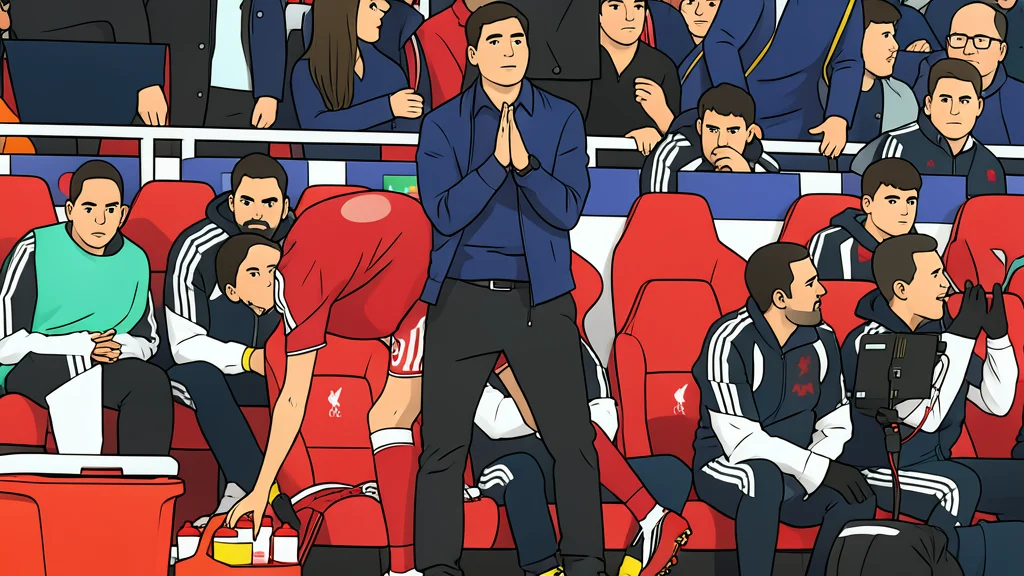
Under the glare of floodlights, the match drifted into a silent standstill as Fulham neutralized Liverpool's attack.
The air at Anfield hung heavy with expectation, yet the ball barely found its target. Under the white floodlights, the green pitch stretched out like a vast, silent stage, devoid of the usual thunderous roar. Liverpool, the home side, moved with a frantic energy that failed to translate into threat. Fulham, visitors from West London, stood firm. The scoreline remained a stubborn zero, a numeric void that encapsulated the frustration of the crowd and the players alike. It was a match of missed connections and defensive solidity, where the silence between the lines spoke louder than any crowd chant.
Alisson Becker stood as the last line of a defense that rarely felt truly under siege. The Brazilian keeper moved with quiet authority, his presence a steady anchor in a chaotic display. Around him, the team struggled to find rhythm. Kostas Tsimikas, on the left flank, looked out of his depth, his movements hesitant and disjointed. His substitution at the break was a clear signal that the manager sought a different kind of energy. Yet, the change in personnel did not shift the momentum. The game remained a stalemate, a tactical gridlock that left the attacking players stranded.
Defensive Brilliance in the Midfield
Amidst the frustration, one figure shone with clarity. Jérémy Jacquet, the French defender, was the standout performer, his positioning impeccable and his interventions sharp. He read the game with an intuitive grace, cutting off passing lanes before they could fully open. His performance was a masterclass in defensive discipline, a stark contrast to the aimless wandering of his teammates. While others struggled to find their footing, Jacquet remained grounded, his calm demeanor a beacon of stability in a chaotic match. His contributions were not always flashy, but they were essential, forming the backbone of a defensive unit that refused to break.
Virgil van Dijk, the captain, operated with the quiet authority of a seasoned leader. His movements were deliberate, his organization of the back line precise. Yet, even his influence could not ignite the spark needed to break the deadlock. The midfield, occupied by Ryan Gravenberch and Dominik Szoboszlai, lacked the necessary drive and penetration. They moved constantly, but their impact was muted, their passes safe but ineffective. The creative engine of the team sputtered, unable to generate the kind of sustained pressure that would force Fulham into error.
Attacking Options Remain Stagnant
The forwards, Alexander Isak and Viktor Muñoz, found themselves isolated, starved of the service needed to unlock the defense. Isak’s strikes were few and far between, his movements often too late to connect with the ball. Muñoz, the Spanish winger, displayed moments of flair, but his cohesion with his teammates was lacking. The connection between the midfield and the front line was severed, leaving the attackers to fight alone. Substitutions brought a breath of fresh air, with players like Bradley Barcola and Cody Gakpo injecting pace and invention, but the damage was already done. The window of opportunity had closed, leaving the team with only a draw to show for their efforts.
As the final whistle blew, the stadium fell into a contemplative hush. The players walked off the pitch, their faces etched with a mixture of relief and disappointment. For Fulham, the result was a victory of sorts, a testament to their defensive resilience. For Liverpool, it was a reminder of the work still to be done. The match was not a defeat, but it was not the victory the fans had hoped for. It was a draw, a pause in the season’s narrative, a moment to regroup and reassess. The lights dimmed, the crowd dispersed, and the pitch lay empty, waiting for the next challenge.
Tactical Adjustments Fail to Break Deadlock
The manager’s attempts to revitalize the attack through substitutions were met with mixed success. The introduction of Alexis Mac Allister brought a degree of control to the midfield, but it was not enough to shift the balance of the game. The team’s structure remained rigid, their movements predictable. The lack of creativity in the final third was a recurring theme, a flaw that persisted despite the changes in personnel. The match served as a clear indicator of the areas where improvement is needed, both in individual performance and collective cohesion. As reported by Yahoo Sports, the ratings reflected a team that was present but ineffective, a squad that had the talent but not the execution to secure a win.