USA U-20s Stumble Out of Poland on Penalties
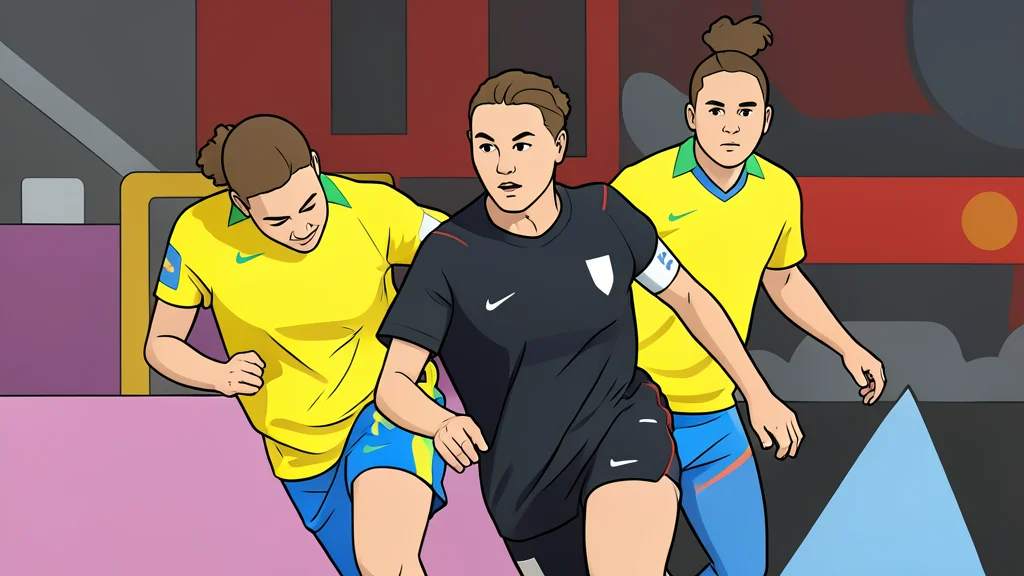
The rain-soaked turf of the Silesian Stadium turned into a graveyard for American hopes as the United States fell to Brazil on penalties, marking a painful exit from the U-20 Women’s World Cup.
The atmosphere in Katowice was thick with tension, the air heavy with the scent of wet grass and nervous energy. The United States, fresh off Olympic gold and multiple World Cup triumphs, found themselves stranded in the last sixteen. A 1-1 draw after extra time set the stage for a shootout that would decide their fate. Brazil goalkeeper Thaís Lima stood like a statue in her frame, eyes locked on the spot, as Emeri Adames approached the ball. The shot sailed wide, a moment of silence that stretched into infinity before the roar of the Brazilian fans shattered the quiet. Lima had opened the floodgates, securing a 5-4 victory that sent the Americans home in disappointment.
The match itself was a scrappy affair, far removed from the polished performances expected of a powerhouse side. Brazil struck first in the 59th minute, a defender rising to meet a corner kick and heading the ball past the US defense. Seattle Reign midfielder Ainsley McCammon answered late in the 63rd minute, finding space in the run of play to level the score. But neither side could find the breakthrough in the final hour. The game remained a stalemate, a physical battle where neither team could impose their will. The lack of clarity on the pitch left the Americans vulnerable to the psychological weight of the penalty shootout, a weakness that has plagued US youth teams in recent months.
A Pattern of Youthful Struggles
This defeat extends a troubling trend across the United States Soccer Federation’s youth programs. It is the third time since last October that a US youth team has failed to win a knockout game at a World Cup. The U-17 boys and girls both exited in the last sixteen via shootouts, while the U-20 men fell in the quarter-finals in October 2025. The last time the US won the U-20 Women’s World Cup was in 2012, a squad featuring Crystal Dunn, Julie Ertz, and Sam Mewis, all of whom have since retired. The gap between the senior team’s recent success and the youth teams’ consistent struggles highlights a disconnect in development pathways that coaches are now openly questioning.
According to GN sports/football (en-US), the timing of this year’s tournament has drawn sharp criticism from former players and coaches. The event is staged in September, outside of the standard FIFA window, which complicates matters for players committed to professional clubs. Many in-season teams opted not to release their stars, leaving the US squad without key talents like Lily Yohannes, Claire Hutton, Jordyn Bugg, and Melanie Barcenas. This absence of depth and experience may have contributed to the team’s inability to advance from their group stage, where they lost to Italy and drew with Japan before a rout of New Zealand secured their place in the knockouts.
Calls for Scheduling Reform
The issue has reached a boiling point, prompting an open letter signed by Alex Morgan, Marta, Crystal Dunn, and Sophia Wilson. They are urging FIFA to reconsider the scheduling of U-20 Women’s World Cups, arguing that the current timing undermines player development. Emma Hayes, the Chelsea manager, voiced her concerns to ESPN, describing the situation as a warning sign. "I am massively worried about the direction for and the lack of all of those experiences for American players," Hayes stated. For players in leagues like the Women’s Super League, the September tournament picks them off fresh from preseason, hampering their integration into first teams. For others in the NWSL, it forces clubs to make difficult decisions about releasing players during a critical phase of the regular season.
Brazil, by contrast, capitalized on the situation. They finished atop their group, beating Tanzania, Canada, and England by a 9-2 aggregate, showcasing a well-prepared and cohesive unit. This is Brazil’s third straight quarter-final appearance at the U-20 Women’s World Cup, a testament to their consistent development strategy. As the tournament heads toward its September 27 final, the US exit serves as a stark reminder of the challenges facing the federation. The path to success lies not just in talent, but in aligning international competition with the realities of professional club football. The silence in the stadium after the final penalty miss was deafening, a sound that will echo in the corridors of US soccer for years to come.
A Tournament in Disarray
The broader implications of this scheduling conflict are significant. The tournament’s placement in September, rather than the traditional August or early September slot, creates a logistical nightmare for clubs and players alike. It disrupts the natural flow of the season, forcing teams to choose between international duty and domestic performance. This tension is not unique to the US, but it has hit home hard given the nation’s recent successes on the senior stage. The U-20 Women’s World Cup is meant to be a showcase for emerging talent, but without the full complement of players, it risks becoming a fragmented and less competitive event. The call for reform is not just about convenience; it is about ensuring that the next generation of stars has the platform to shine under fair and consistent conditions.