Kane Honors Messi's Team-First Spirit After Atlanta Heartbreak
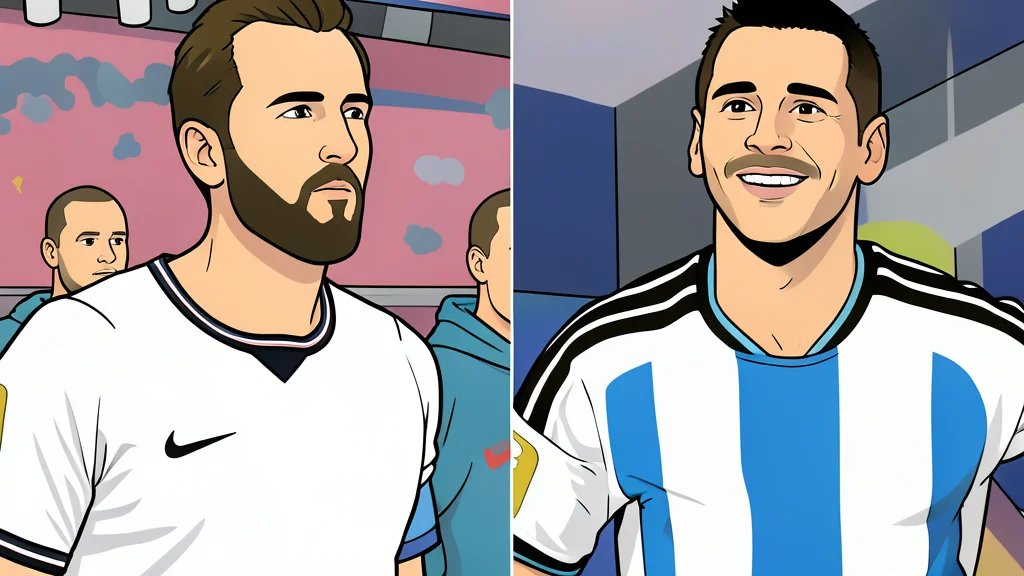
In the humid Atlanta night, the whistle cut through the roar. England fell, but the embrace that followed spoke louder than the scoreline.
The floodlights in Atlanta hummed with a low, electric buzz as the final seconds bled away. Harry Kane stood on the grass, the weight of a 2-1 defeat settling into his shoulders, the air thick with the scent of cut turf and exhausted sweat. Then, across the white boundary lines, Lionel Messi emerged. There was no trash talk, no lingering bitterness. Just two men who had just fought a war in the most dramatic semifinal of the 2026 World Cup, closing the distance between them. They locked eyes, then wrapped their arms around each other, a silent acknowledgment of a battle fought at the highest level.
That moment, captured in the flash of camera shutters, became the defining image of a night that ended England’s dream but cemented a mutual respect that transcends borders. Months later, Kane revisited that physical connection, not as a memory of loss, but as a testament to the character he witnessed in his opponent. It was a gesture that stripped away the nationalistic fervor, leaving only the raw, shared humanity of two elite athletes who knew the cost of that stage.
Mutual Respect After the Whistle
Kane’s recollection of the post-match embrace reveals a deliberate choice to prioritize dignity over despair. According to the interview with Marca, reported by GN sports/football (en-US), Kane sought out Messi immediately, bypassing the immediate chaos of the locker room. He wanted to wish the Argentine captain good luck for the final, a small act of grace in the face of elimination. For Kane, the gesture was a way to honor the quality of the contest itself, recognizing that even in defeat, sharing the stage with a legend required a certain level of reverence.
It was a moment of pure sportsmanship, a pause in the storm of emotion. Kane noted that keeping his head held high was crucial, not just for himself, but to show respect for the team that had just outplayed England in stoppage time. The embrace was not a concession, but a confirmation of the high stakes involved. It was a recognition that the World Cup is, at its core, a collision of the best against the best, where the loser is still a participant in a historic narrative.
Messi’s Selfless Tournament Performance
Kane’s admiration was rooted in what he saw Messi doing on the pitch throughout the tournament. He highlighted a specific trait that separates the Argentine captain from the rest of the field: his unwavering commitment to the collective. “He has always put the team ahead of himself,” Kane stated, pointing to this as a primary driver of Argentina’s success. It was not just about Messi’s individual brilliance, but how he channeled that talent to elevate his teammates, creating a machine that was greater than the sum of its parts.
Legacy Written in the Stats
The numbers from the 2026 campaign underscore this narrative of selfless efficiency. Messi finished the tournament with 12 goal involvements, a figure that placed him second only to Kylian Mbappe’s 14. His eight goals and four assists were not just statistics; they were the lifelines that kept Argentina alive in tight fixtures. This performance pushed his career World Cup goal tally to 21, securing his place as the second-highest scorer in the competition’s history. These figures paint a picture of a player who remained a central engine of his team’s attack, directing the run to the final with a clarity and purpose that Kane clearly recognized and respected.