Netflix Eyes Men’s World Cup Amidst Streaming Shift

As the 2027 Women’s World Cup looms, Netflix signals readiness to bid for the men’s tournament, challenging traditional broadcasters in a high-stakes media landscape.
The green pitch waits in silence, a white sphere resting on the blades of grass under the weight of anticipation. For Netflix, this moment is merely the prologue. In just over nine months, the streaming giant will launch its most ambitious live sports venture yet, taking the reins of the 2027 FIFA Women’s World Cup in the United States. This is not a casual dip into the sporting world; it is a calculated stride into the arena where Fox has held the microphone since 2015. The air is thick with possibility, and the next few months will determine who holds the microphone for the men’s game.
With the rights to the 2030 and 2034 men’s tournaments set to hit the market soon, the landscape is shifting beneath the feet of every major media player. Netflix has been named among the contenders, standing shoulder-to-shoulder with incumbents like Fox and NBC, and digital giants such as Disney, YouTube, Prime Video, and Apple. The competition is fierce, a tangle of corporate ambitions and viewer expectations that will soon be untangled in boardrooms far from the stadium lights.
Executive Signals Open Door
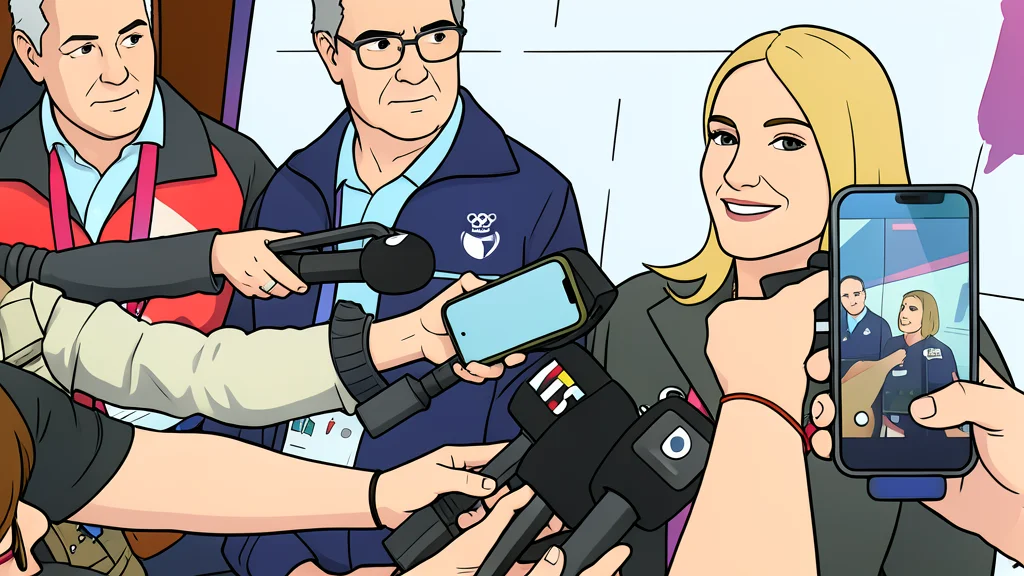
Bela Bajaria, Netflix’s Chief Content Officer, did not confirm a bid, but the door is ajar. In a recent conversation with CNBC, she described the company’s stance as one of openness to "conversations" with FIFA. This is not a definitive yes, but it is a clear signal that the streamer is not standing on the sidelines. Bajaria emphasized the existing partnership between Netflix and soccer’s global governing body, suggesting that dialogue is a constant, not a sporadic event. The relationship is deep, rooted in the successful acquisition of women’s rights, and it provides a solid foundation for further negotiation.
Strategy Focuses On Marquee Events
Netflix’s approach to live sports is selective, targeting only those properties that qualify as true "events." In the United States, this strategy has already manifested in the acquisition of marquee NFL games, the electric atmosphere of MLB’s Home Run Derby, and high-profile combat sports featuring star fighters. The World Cup, in both its men’s and women’s iterations, fits squarely into this category. It is a global spectacle, a moment where the world pauses, and it aligns perfectly with the streaming giant’s desire for content that commands attention and drives engagement.
However, the path to securing these rights is not without obstacles. The 2030 tournament, hosted by Morocco, Portugal, and Spain, and the 2034 event in Saudi Arabia, present challenges in terms of time zones for North American audiences. Replicating the viewership success of this summer’s North American World Cup may prove difficult. Yet, there are new variables at play. The introduction of mandatory hydration breaks has created a lucrative advertising opportunity. Fox reportedly generated between $250 million and $450 million from these breaks alone during the recent tournament. This financial boost could incentivize broadcasters to raise their bids, making the competition even more intense.
Bundled Rights Favor Streamers
FIFA is reportedly interested in bundling English and Spanish-language rights into a single package for the 2030 and 2034 tournaments. This structure would significantly benefit a streaming platform like Netflix. Linear television broadcasters are constrained by channel limits, requiring multiple feeds to serve different language audiences. Netflix, on the other hand, can seamlessly offer multiple streams simultaneously, catering to a diverse viewer base without logistical friction. This technical advantage makes the streamer a particularly attractive partner in a market where accessibility and convenience are paramount.
For now, Netflix remains cautious, keeping its cards close to its chest. The company is engaged in the broader conversation, aware of the high stakes involved. As reported by Yahoo Sports, the next few months will be critical in determining the final shape of the broadcasting landscape. The white ball on the grass is just a symbol of the game itself, but the battle for its future is being fought in the boardrooms, where money, strategy, and ambition collide.