Santa Fe 2026: A Legacy Forged in Green and White
The silence after the final whistle reveals a city transformed. In Santa Fe, the roar of 1.8 million fans has settled into the hum of new infrastructure, leaving behind a tangible mark on the landscape.
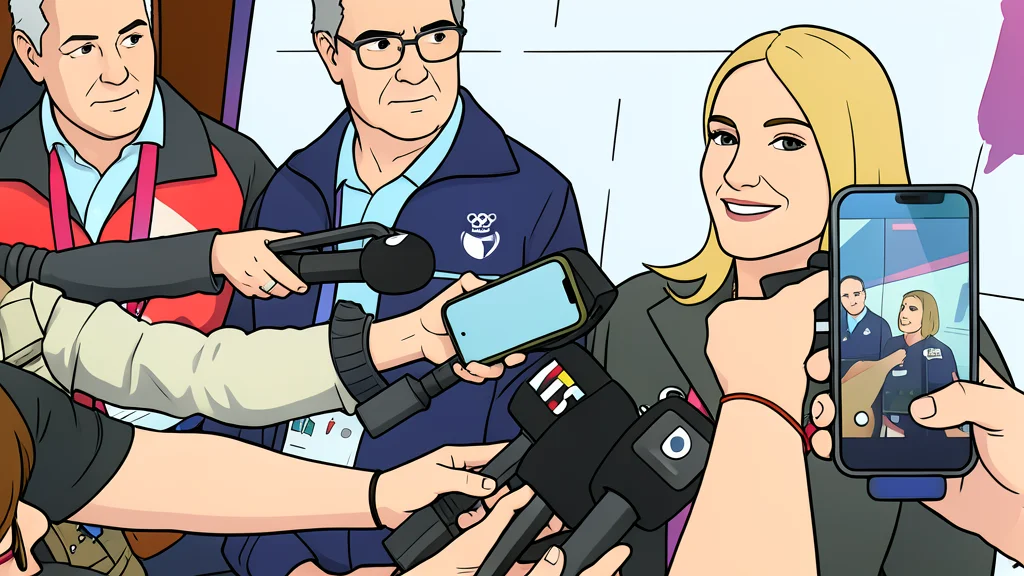
The air in Santa Fe still carries the scent of cut grass and anticipation. Mario Moccia, president of the Argentine Olympic Committee, walks the perimeter of the venues, his eyes scanning the polished lanes and green turf. He does not see a temporary spectacle; he sees a permanent foundation. The three host cities—Rosario, Santa Fe, and Rafaela—have delivered a performance that exceeds the organizers’ most optimistic projections. The satisfaction is palpable, a quiet pride that lingers in the empty stands.
This is not just about the past week. It is about the next decade. Moccia emphasizes that the infrastructure built for the South American Games is designed to outlast the competition. The facilities will remain, serving as training grounds for local athletes and stages for future international events. The legacy is physical, concrete, and ready for use.
Infrastructure as a Living Legacy
At the Recreo shooting complex, the precision of the architecture reflects the intent of the project. Moccia points to the state-of-the-art design, noting its potential to host world-class competitions. It is a beacon for the region, a place where skill is honed and standards are set. The complexity of the build is matched only by the ambition of its future use.
The legacy extends beyond bricks and mortar. It includes the human capital developed to manage such large-scale events. Trained coordinators, skilled technicians, and experienced organizers form a new layer of expertise in the province. This knowledge is an asset, a skill set that will drive future sporting endeavors and ensure that the region remains competitive on the global stage.
A Surge of Public Participation
The numbers tell a story of engagement that defies expectation. Virginia Coudannes, spokesperson for the Santa Fe government, presents the data with a sense of wonder. More than 1.8 million people flowed through the venues, a record for South American Games. The energy was electric, the crowds dense, the atmosphere charged with collective excitement.
Over 850,000 tickets were sold, generating nearly 796 million pesos for local institutions. This financial injection supports charities and community projects, creating a ripple effect that extends far beyond the stadium walls. The Games have become a vehicle for solidarity, a platform for collective action and shared purpose.
Redefining the Relationship with Sport
Carlos Marzo, director of the Games Organizing Committee, urges a shift in perspective. Medals are important, but they are not the sole measure of success. The true impact lies in the social transformation. The Games have opened doors for children and young people, introducing them to sports spaces they previously never entered.
Citizens have reclaimed the public spaces, embracing the new infrastructure as their own. The streets are no longer just thoroughfares; they are arenas of community life. As reported by GN auto sports/multisport: Olympic Games, the event has woven itself into the daily fabric of the city, changing how residents interact with their environment and with each other. The legacy is alive, breathing, and growing.