Premier League Pauses for 19 Days After 79-Goal Fortnight
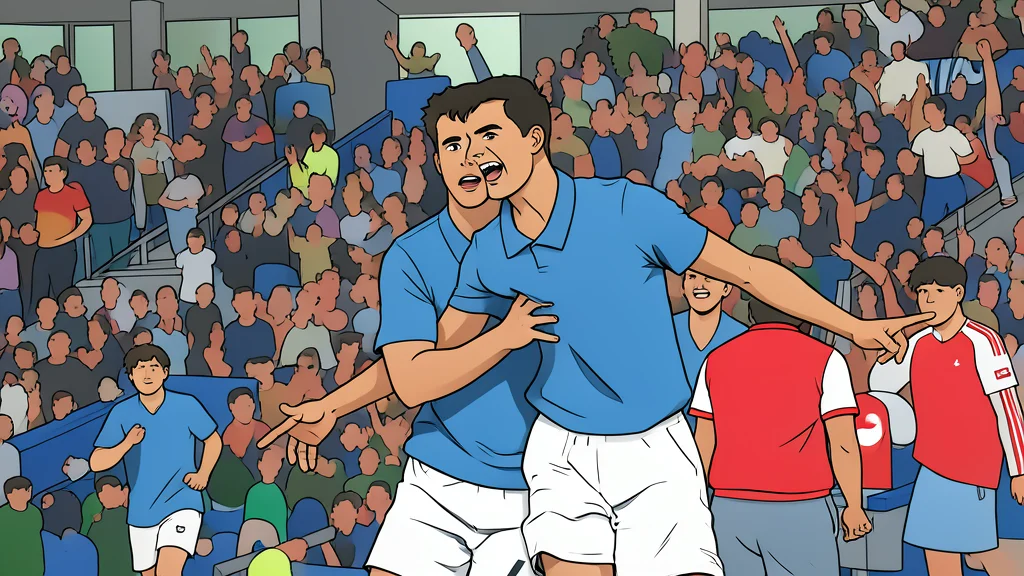
The league enters a 19-day international break following a burst of 30 matches and 79 goals, leaving fans in a sudden state of withdrawal.
Key points
- The Premier League has concluded its first 17 days with 30 matches and 79 goals before entering a 19-day international break.
- The season's current state is characterized by stasis, with the league leader showing defensive fragility and the eventual title winner sitting second.
- Manchester United is described as a metaphor for modern Britain, living on heritage, while Tottenham maintains a stable but unexciting position near the bottom.
The adrenaline spike has severed. Seventeen days of continuous play have delivered 30 matches and 79 goals, a dense block of activity that now ends abruptly. Sunday’s final whistle marked the cut-off, leaving a void that stretches 19 days into the autumn. The neural pathways, recently flickering with rapid-fire action, now face a cold, silent stretch until the schedule resumes in October.
This pause invites a dopamine crash, a sudden drop from the high of relentless competition. The break is not merely a gap in the calendar; it is a suspension of the product itself. As the stadium lights dim and the training pitches go quiet, the contrast effect begins to work. The absence of the game deepens the desire for its return, a psychological rhythm as predictable as the seasons.
Autumn rituals fill the silence
The international break brings its own distinct flavor, shifting focus to national teams and managerial debates. Discussions swirl around Thomas Tuchel, with critics questioning his tactical influence and cultural fit. The discourse turns to his training methods, his appearance, and the inherited structural issues within English football. These arguments serve as a substitute, a way to maintain engagement while the league sleeps.
Simultaneously, the traditional state-of-the-nation address emerges. This annual ritual poses broad questions about identity, progress, and direction. In the current season, the answers are starkly familiar. The league remains a homogenized product, where tactical shifts are subtle and the overall dynamic is one of stasis. The excitement has shifted from breakthrough moments to the reliable, repetitive rhythm of the existing order.
Stasis defines the current season
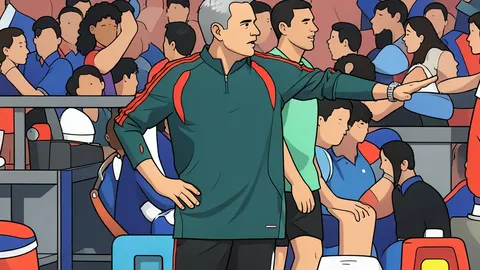
Five rounds in, the landscape mirrors last year with uncanny precision. A powerful team with a bald, irascible manager leads, yet displays defensive fragility. The team destined to win the league sits second, a trajectory that feels pre-ordained. The middle of the table offers the most intrigue, populated by functional, well-run entities that operate with mechanical efficiency. There is no shock, no upheaval, only a continuation of established patterns.
Star players perform within their expected parameters. Erling Haaland scores; Bruno Fernandes generates anguish and risk. The narrative is one of repetition, where individual brilliance is absorbed into a larger system of predictability. Even the failures are familiar, such as the struggles of new signings to adapt to the physical demands of the league. The product is reliable, entertaining, and ultimately unchanged.
United and Spurs in limbo
Manchester United remains a metaphor for modern Britain, a grand but angst-ridden institution living on memories. The appointment of Michael Carrick has not altered this reality. There are no other levels to reach; this is the level. The club operates as a mobile waxwork museum, retailing its heritage to a global audience while its on-field performance remains stagnant. The question of improvement is moot; the status quo is the only constant.
Tottenham, meanwhile, hovers near the bottom, secured in a solid hold on 17th place. Their performance is described as semi-interested, a lack of urgency that has degraded the entertainment value. Even the prospect of relegation feels muted, a repetitive scroll through a feed that offers little surprise. The league’s depth is vast, but its peaks and valleys have flattened into a consistent, if unexciting, plateau.