Raphinha Rejects Saudi Lure to Champion Yamal's Ballon d'Or Case
The Brazilian captain speaks out on tactical shifts, award snubs, and the magic of a young prodigy.
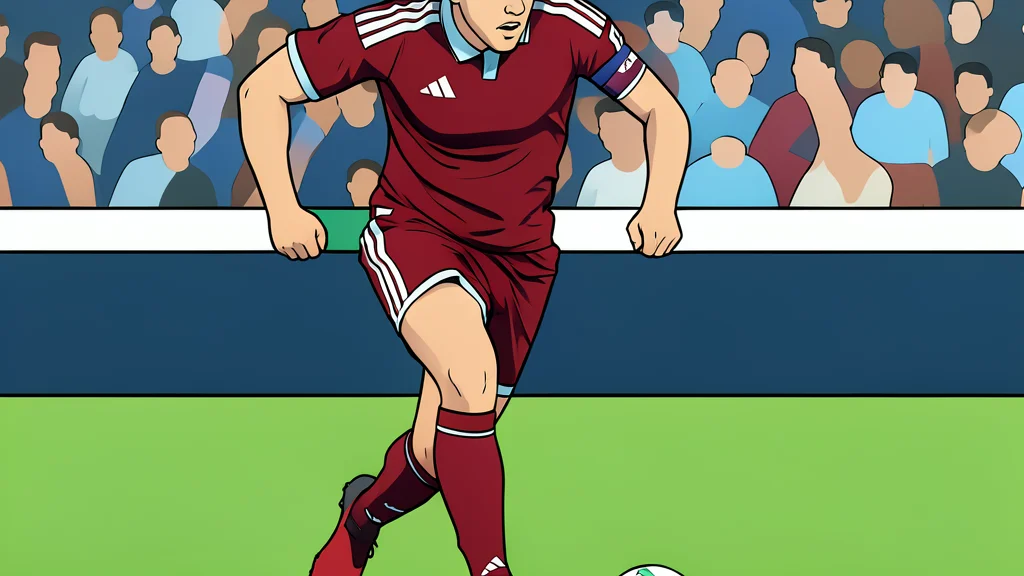
The turf under Raphinha’s boots feels different now. The right wing, once his sanctuary, is a memory; he stands in the shadow of the penalty spot, the air thick with the weight of expectation. Eleven goals in seven matches have turned his season into a blur of motion and impact. He is no longer just a winger cutting inside; he is the focal point, the target, the man Flick trusts to break the deadlock. The silence of the dressing room settles around him as he processes the noise outside, where headlines clash with his own quiet confidence.
In a wide-ranging conversation with Yahoo Sports, the Barcelona captain dissected the chaos surrounding his club. From the sting of exclusion from the Ballon d’Or shortlist to the whispers of a Saudi Arabian offer, every thread of his career has been pulled taut. He does not shy away from the discomfort. Instead, he leans into it, offering a raw, unfiltered look at a player who has reinvented himself to survive in a system that demands constant evolution.
A captain’s frustration with the award snub
The omission from the thirty-player list stings. Raphinha does not hide his anger, and it spills over to protect his teammate. Pedri, he argues, deserved a place on that list just as much as he did. The decision feels arbitrary, a disconnect between the trophies on the shelf and the names in the voting booth. It is a moment of professional pride warring with the reality of a fragmented football season, where individual brilliance often gets lost in the noise of team results.
Yet, within that frustration, a clear champion emerges. Lamine Yamal. Raphinha’s voice hardens, leaving no room for debate. The teenager is not just a contender; he is the inevitable choice. "Lamine has to win the Ballon d’Or, no matter what," he states, the words carrying the weight of a verdict. He dismisses the arguments against the young star, particularly the criticism surrounding his World Cup performance. Raphinha points to the irony of his own limited role in Brazil’s campaign, a painful reminder of how quickly fortunes can turn. For him, Yamal’s magic on the pitch outweighs any single tournament’s shortcomings.
The weight of the number nine shirt
Stepping into the center means stepping into the spotlight’s harsh glare. The position once exclusively owned by Robert Lewandowski now carries a heavy burden of scrutiny. Raphinha admits the initial fear was real. "People judge you on your goals," he explains, his voice low. If the ball does not find the net, the criticism is immediate and unrelenting. It is a role that leaves little margin for error, where a missed chance can define a season. The pressure is a physical weight, pressing against his shoulders with every step forward.
But the fear has been replaced by a surprising comfort. Flick’s tactical shift, initially a temporary measure, has become a permanent fixture. The Brazilian admits he did not expect to find such ease in the role. It is not a forced adaptation but a natural evolution. He looks to the veteran Lewandowski for guidance, finding a mentor in the established number nine. The dynamic is one of respect and learning, a bridge between the old guard and the new reality. Raphinha has stopped resisting the change and started embracing it, finding a new rhythm in the chaos of the final third.
Magic that echoes the past
There is a specific quality to Lamine Yamal’s play that transcends statistics. It is a magic that transports Raphinha back to his childhood. He recalls the wide-eyed wonder of watching Ronaldinho, the way the ball seemed to bend to the player’s will. That same sensation washes over him when he watches Yamal now. It is not just skill; it is an art form. The teenager brings a lightness to the game, a joy that cuts through the tactical rigidity of modern football.
This connection to the past fuels Raphinha’s support. He sees in Yamal the same potential for greatness, the same ability to make the impossible look effortless. It is a legacy in motion, passed from one generation to the next. As the season continues, the Brazilian captain stands ready, not just for his own goals, but for the continued rise of the young star who has captured his imagination. The future is bright, written in the fluid movements of a teenager who refuses to be bound by convention.